

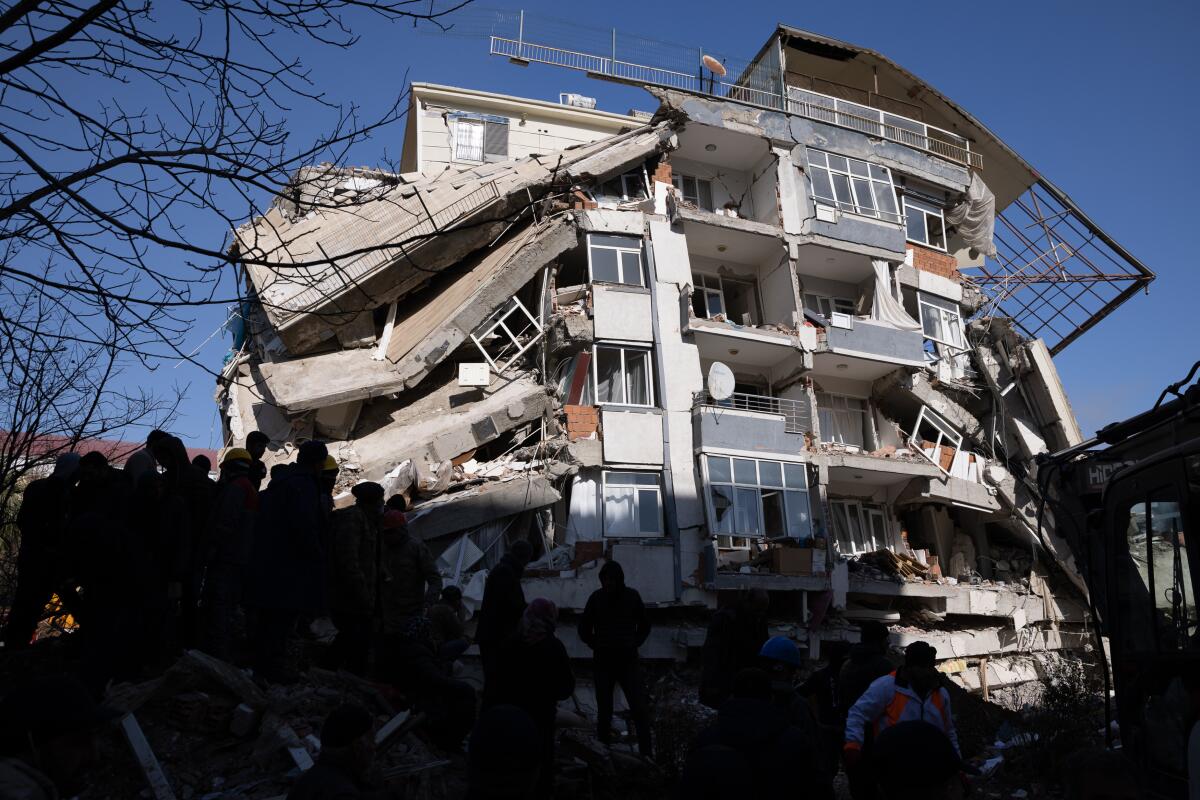
A powerful earthquake registering magnitude 6.1 recently struck a region in Turkey, resulting in significant structural damage, including the collapse of approximately a dozen buildings. The seismic event, felt across a wide area, has prompted emergency responses and raised concerns about the safety of infrastructure in earthquake-prone zones throughout the country.
Turkey’s geographical location along major fault lines makes it susceptible to frequent seismic activity. This latest quake serves as a reminder of the persistent risks faced by communities in these vulnerable regions, where preparedness and resilient construction are critical to minimizing loss of life and property damage.
The earthquake occurred during the early hours, catching many residents off guard while they were asleep. The sudden shaking caused panic and chaos as people scrambled to find safety amid falling debris and power outages. Local authorities quickly mobilized rescue teams to assess the damage, conduct search-and-rescue operations, and provide aid to those affected.
Preliminary assessments suggest that the downfall of approximately a dozen structures resulted in multiple victims, although rescue teams are still determining the precise count of those harmed or deceased. Numerous people were caught beneath the debris and needed immediate evacuation by expert crews employing heavy machinery and skilled search dogs. Medical centers in neighboring towns have been put on heightened alert to handle a possible increase in individuals requiring care for injuries and other earthquake-related conditions.
Along with the direct impact on people, the earthquake resulted in extensive disruption to services like power, water, and communications. Many locals faced electricity outages, hindering both emergency operations and everyday activities. Crews were sent to fix services promptly, although authorities caution that complete restoration might need several days, influenced by the severity of the destruction.
Structural engineers and government officials have begun inspecting other buildings in the affected region to determine their stability and safety. Many older constructions that were not built to modern earthquake-resistant standards have shown vulnerabilities, fueling discussions about the need to enforce stricter building codes and retrofit existing infrastructure.
Turkey has experienced catastrophic earthquakes in its history, with previous incidents causing numerous fatalities and substantial damage. Insights gained from these disasters have enhanced emergency readiness and construction codes, but obstacles persist in enforcing adherence and safeguarding every community adequately. The latest tremor underscores the persistent need for progress in these initiatives.
Seismologists observing the area have reported that the 6.1 magnitude tremor was followed by several aftershocks, some of which were powerful enough to increase worry among locals and officials. Aftershocks can further compromise already damaged buildings and continue to present hazards, making it crucial to stay alert in the days after the initial earthquake.
Public safety officials have issued guidelines urging citizens to stay alert for further tremors, avoid damaged buildings, and prepare emergency kits with essentials such as food, water, medications, and flashlights. Schools and businesses in the vicinity have temporarily closed as precautionary measures, and community centers are being set up to assist displaced individuals and provide information.
The government has pledged to provide support and resources to affected areas, including financial aid for reconstruction and mental health services for those traumatized by the event. Efforts are underway to coordinate with humanitarian organizations to ensure that vulnerable populations, including the elderly and children, receive adequate care.
The earthquake’s impact has also drawn attention from international organizations and neighboring countries, with offers of assistance and expressions of solidarity. Collaborative disaster response and preparedness continue to be a focus in the region, emphasizing the importance of cross-border cooperation in managing natural disasters.
In the aftermath, experts stress the significance of public education on earthquake readiness and response. Communities equipped with knowledge on how to act during and after a quake tend to experience fewer casualties and recover more rapidly. Drills, informational campaigns, and accessible emergency resources remain vital components of Turkey’s disaster management strategy.
Mientras las operaciones de rescate y recuperación avanzan, la prioridad sigue siendo salvar vidas y estabilizar las comunidades afectadas. La reconstrucción a largo plazo demandará una inversión significativa y un compromiso con infraestructura resistente, planificación urbana, y monitoreo constante de la actividad sísmica. Las lecciones aprendidas de este evento guiarán futuras políticas destinadas a reducir la vulnerabilidad y mejorar la seguridad a lo largo de los diversos paisajes de Turquía.
Although we cannot stop natural disasters from occurring, reducing their impact through readiness, effective leadership, and community involvement can preserve many lives. The latest earthquake is a stark reminder of nature’s force and the continuous requirement for alertness in areas where seismic threats are ever-present.
Authorities continue to urge residents to report any damage or safety concerns and to stay informed through official channels. The coming days will be critical as aftershocks subside and recovery efforts intensify, with hopes that the community will emerge stronger and more resilient in the face of future challenges.