
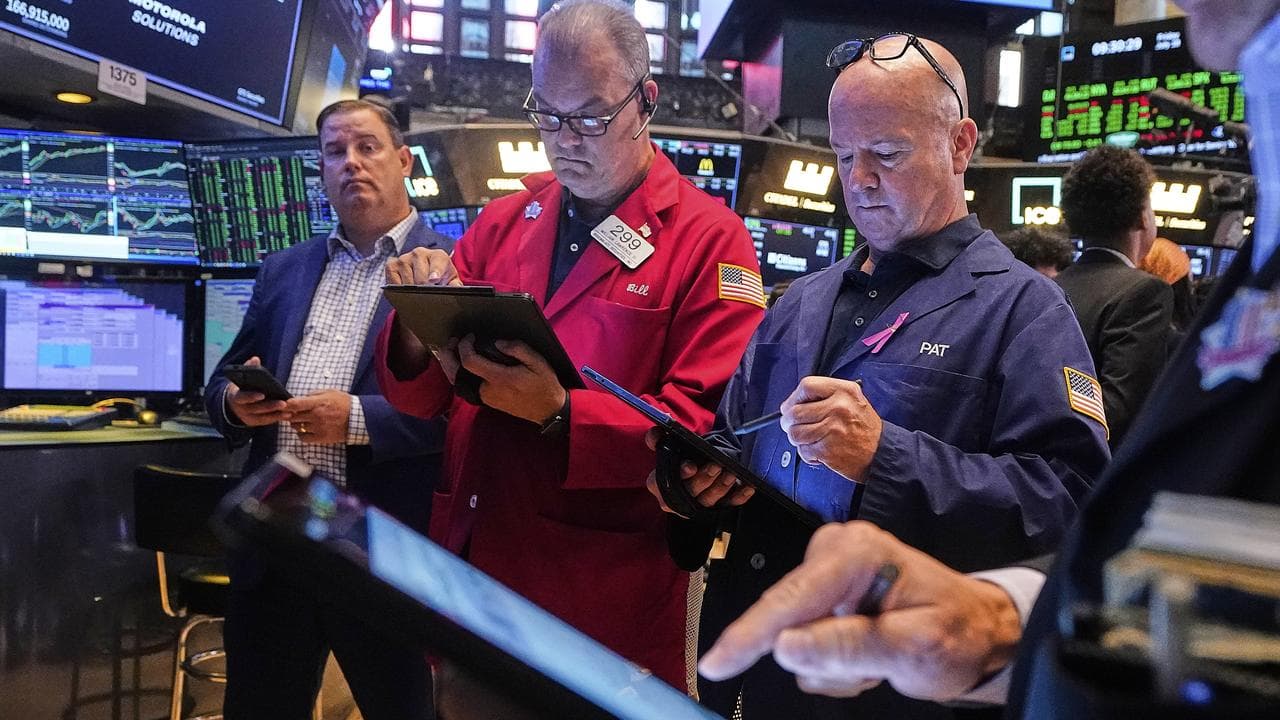
El mercado de valores de EE.UU. alcanzó un hito importante cuando el índice S&P 500 cerró en un máximo histórico, impulsado principalmente por una renovada confianza en las negociaciones comerciales internacionales. El sentimiento de los inversionistas parecía dirigirse en una dirección positiva, fortaleciendo los índices principales en general y señalando una perspectiva económica potencialmente más sólida a medida que comienzan a disminuir los obstáculos al comercio.
Este incremento se produjo cuando los mercados reaccionaron positivamente a señales de avance en varias discusiones comerciales globales importantes. Aunque los detalles de muchas de estas negociaciones siguen siendo confidenciales, la percepción general de estabilidad y el avance hacia compromisos han elevado la confianza de los inversores e inyectado nueva vitalidad a los mercados.
The rally, led in part by gains in the technology and financial sectors, reflects broader expectations that improved trade relationships could translate into stronger corporate earnings, higher productivity, and expanded global market access for U.S. companies. The optimism surrounding these potential outcomes appears to have outweighed persistent concerns about inflation and monetary tightening.
Trade policy has remained a dominant theme in global financial markets over the past several years, with shifting alliances, tariffs, and negotiations creating both volatility and opportunity. Recent developments indicate that long-standing tensions may be softening, at least temporarily, which could restore a sense of predictability for multinational corporations and investors.
Numerous players in the market regard these commercial advancements as essential steps for reestablishing supply chain reliability, stabilizing costs, and fostering growth-friendly conditions. As businesses manage the difficulties of a global economy after the pandemic, lessened obstructions in trade regulations might provide a badly needed boost.
On the day the S&P 500 closed at its new peak, several sectors outperformed expectations. Tech stocks, particularly those in semiconductors and cloud computing, saw notable gains, reflecting optimism about continued demand and the potential easing of restrictions on cross-border sales. Financial institutions also rallied, benefiting from expectations of increased global business activity and capital flows.
The consumer discretionary and industrial sectors contributed to the rally as well, suggesting investor confidence in both business investment and consumer spending. These indicators are often viewed as early signs of economic resilience and upward momentum.
Conversely, defensive sectors such as utilities and consumer staples saw more muted performance, indicating a shift in investor preference toward growth-oriented equities.
The S&P 500’s record close is not occurring in a vacuum. Global markets have been watching trade developments closely, and many international indices also experienced gains amid the optimism. Europe and Asia reported strong performances in response to similar trade sentiments, reinforcing the interconnected nature of modern financial markets.
A globally coordinated improvement in trade could enhance investor trust across regions and lead to broader global economic growth, particularly in emerging markets that are heavily reliant on exports.
Although the rally spurred by trade has drawn focus, the Federal Reserve’s position on interest rates and inflation continues to be an important factor. Investors are keeping a close watch on inflation figures and statements from the central bank to predict upcoming monetary policy choices.
Any unforeseen actions by the Fed or sudden changes in inflation statistics might still influence market dynamics. Nevertheless, at this moment, the prevailing sentiment seems to be one of guarded optimism, as trade progress provides a balance to worries about monetary tightening.
Another aspect contributing to the rise of the S&P 500 is the better-than-anticipated profits of companies within specific industries. Businesses that have effectively managed supply chain challenges and adjusted to evolving consumer trends are consistently generating steady earnings. As a result, this bolsters increased valuations and encourages investor participation in stock markets.
Analysts believe that if trade developments continue to unfold positively, more companies could benefit from smoother import-export processes, reduced tariffs, and increased access to international customers. This would further support earnings growth in the coming quarters.
Although the prospects are optimistic, potential threats persist. International trade deals can be intricate, and discussions might stall. Collapse in negotiations or the introduction of fresh tariffs could rapidly undo the progress achieved lately. Furthermore, political uncertainties, changes in energy markets, and rising inflation continue to present obstacles to ongoing economic expansion.
Investors remain cautious about the potential for market adjustments after significant upswings, particularly in a setting where economic indicators present a mixed picture. Although the mood is optimistic, those involved in the market understand that sentiment can rapidly change if external factors shift.
At present, the atmosphere in the stock markets seems optimistic. The S&P 500’s record high suggests that investors are confident the peak of trade issues might be behind us, and that better economic collaboration could pave the way for fresh growth.
If the present course persists, it might signify a pivotal moment for both markets and the worldwide economy. A decrease in trade barriers, coupled with favorable corporate earnings and diminishing inflationary pressures, could foster a setting conducive to growth.
However, sustained progress will depend on the ability of global leaders to maintain momentum in negotiations and follow through with policy changes that support long-term trade stability.
The S&P 500’s highest closing point indicates a resurgence of confidence in worldwide commerce and economic expansion. Despite ongoing hurdles, the optimistic market response implies that investors feel reassured by the likelihood of diminished trade frictions and improved global collaboration. Ongoing advancements in this sector may assist in maintaining steady market increases and paving the way for a more vigorous global revival.
As always, investors will be closely watching for updates, both on the trade front and in economic data releases, to gauge the durability of this rally. For now, the historic high stands as a marker of hope that global collaboration may once again become a driver of market resilience and prosperity.