

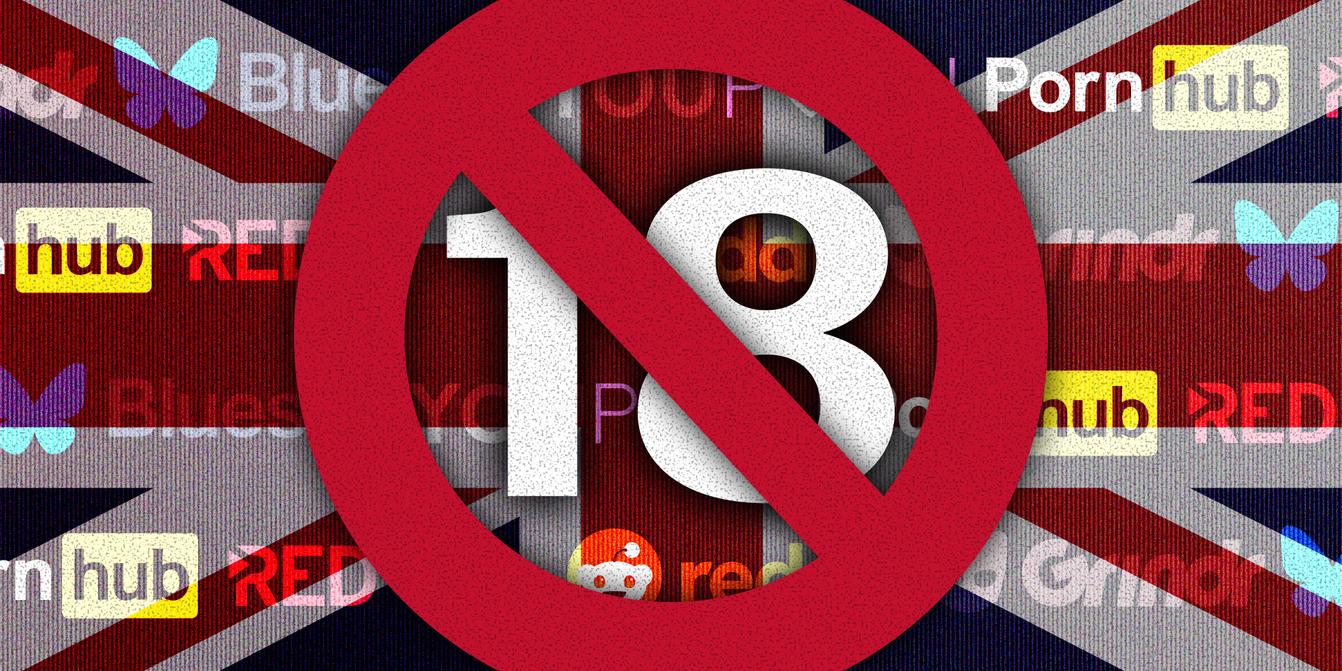
In a sweeping push to enhance online safety and protect minors, nearly 6,000 adult content websites in the UK have begun implementing mandatory age-verification systems. This move marks one of the most significant regulatory shifts in the online adult industry, aiming to ensure that only users aged 18 and over can access explicit material.
According to recent laws, those who run adult websites are now required to implement strong age verification processes, such as confirming identification or utilizing approved third-party services. This mandate forms a component of a larger initiative by UK regulators aimed at reducing underage access to pornography and strengthening online protection policies, in light of early exposure to adult material being associated with possible mental health and behavioral issues.
The overhaul reflects a more assertive approach to online regulation following criticism that self-regulation had failed to protect young people effectively. Regulators have cited concerns that existing age gates— such as simple click-throughs or pop-up disclaimers—were insufficient to verify users’ true ages. The updated requirements now include options like government-issued ID validation, credit card checks, or certified verification services that meet stringent privacy and security standards.
Las fechas límite de cumplimiento han llegado rápidamente, impulsando a muchos administradores de sitios a apresurarse para integrar sistemas aprobados. Las plataformas que no cumplan con las regulaciones enfrentan el riesgo de multas significativas o de ser bloqueadas en el Reino Unido. Para evitar acciones legales, las empresas han implementado diversas medidas: algunas se asocian con proveedores especializados, otras desarrollan verificaciones de identidad internamente, y unas pocas han decidido bloquear el tráfico del Reino Unido hasta que los sistemas compatibles estén implementados.
While many large-scale adult content providers have embraced the new rules, smaller operators have raised concerns about cost, technical complexity, and user friction. Implementing age verification not only demands investment in secure data handling and verification workflows, but can also deter users who value anonymity. For niche or independent publishers, meeting the technical and legal standards poses a particular strain.
Privacy advocates have expressed cautious support for the changes—while endorsing stronger controls to protect young audiences, they also emphasize the importance of safeguarding user data. Age-verification services must handle sensitive identifiers and store information securely. Regulators have stipulated strict requirements around data storage, encryption, retention periods, and transparency, in an effort to minimize risks of misuse or breaches.
Some commentators suggest that the recent regulatory changes might unintentionally push users towards websites that operate outside UK jurisdiction. These sites are often unregulated and may not enforce age verification, thereby potentially increasing user risk. UK authorities have responded by stating that restricting access to sites not adhering to regulations is a possibility within their enforcement strategies, although these actions present both technical and legal difficulties.
From a broader perspective, the age-verification initiative is part of a growing international trend of countries imposing stricter rules on online adult content. Legislators in various regions are increasingly focused on children’s protection online, digital literacy, and accountability for content platforms. As such, the UK’s adopting of comprehensive age checks may serve as a template for future policy frameworks in other jurisdictions.
For users, these changes mean that accessing adult sites from the UK now typically involves undergoing verification first. Those who prefer to avoid the process may experience redirected traffic or blocked access. However, supporters argue that this inconvenience is balanced by the social benefit of reducing underage exposure to explicit material and creating a safer digital environment.
Industry insiders suggest that, over time, verification protocols could evolve further—incorporating biometric checks or blockchain-based identity solutions to increase reliability while preserving privacy. There’s also speculation that verification requirements may expand to other types of online content or services, especially in areas where age is a critical factor, such as gambling, social media, or streaming platforms.
As these regulations take effect, attention now turns to how effectively compliance is enforced. Regulators are expected to monitor traffic patterns, review audit reports from verification providers, and field complaints from users or parents. Sites that fall out of compliance may be issued notices, face fines, or ultimately be inaccessible via UK IP addresses.
If broadly enforced, the age-verification policy could significantly reduce youth access to adult material, shifting browsing habits and promoting safer user practices. Whether it proves effective over the long term will hinge on the balance between technological enforcement, privacy protections, market adaptation, and cross-border coordination.
The UK’s recent requirement for almost 6,000 adult platforms to implement official age verification marks a significant point in internet regulation. Although this change presents challenges for operators and brings up concerns about privacy and enforcement, the main goal is evident: to enhance the protection of minors in an online environment where age limits have frequently been inadequate. As these regulations take hold, creators, authorities, and users will be keenly observing to determine if the measure accomplishes its desired effect—and if it inspires comparable actions globally.