
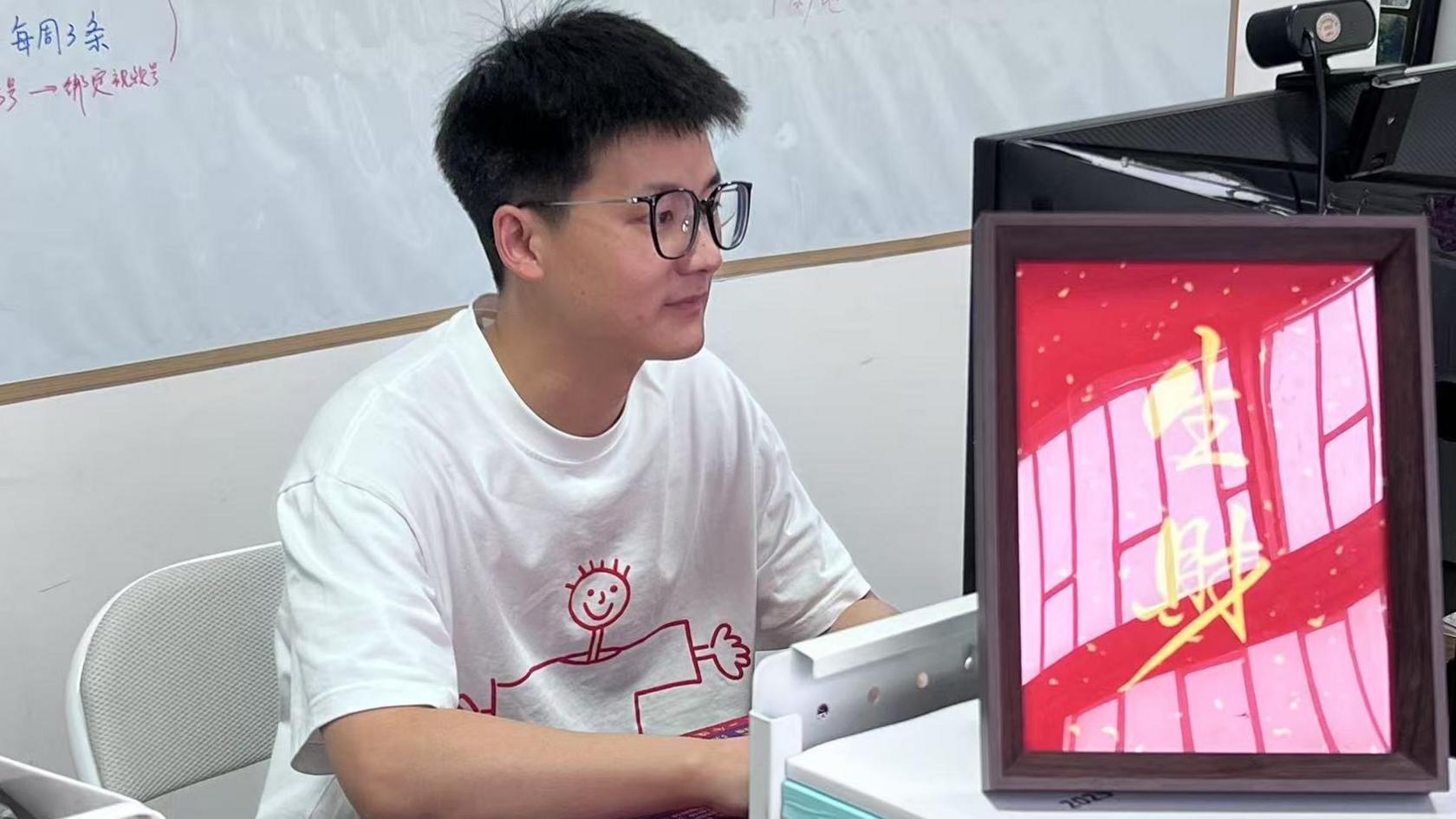
In recent times, an increasing number of young individuals in China coping with joblessness have begun to act as if they are employed, forming a complicated social trend influenced by financial difficulties, societal norms, and the demands of contemporary life. This action, commonly known as “simulated employment” or “mimicking work,” unveils more profound problems within the nation’s employment landscape and the personal challenges of a generation tangled between aspirations and real-life constraints.
The fast-paced economic development in China over recent decades has reshaped its society by opening up new possibilities, yet it has also increased competition for good jobs. Even though there has been significant advancement, numerous young individuals are facing difficulties in obtaining secure positions that align with their personal expectations or social norms. Elevated levels of unemployment among the youth, alongside escalating living expenses and growing family pressures, have fostered an environment where, for some, projecting the facade of being employed serves as a way to cope.
The phenomenon of pretending to have a job involves various tactics. Some young people stage their daily routines to simulate working life, such as setting alarms early, dressing in professional attire, or even editing social media posts to convey the image of being employed. Others may engage in minimal or freelance work that allows them to maintain appearances without fully participating in traditional employment. This performative aspect serves multiple purposes: maintaining social status, avoiding criticism from family or peers, and preserving self-esteem in the face of economic uncertainty.
At the heart of this movement is the cultural focus on professional achievement as a primary indicator of adulthood and social worth in China. Numerous families strongly encourage young individuals to obtain prestigious positions, offer financial support, and maintain family pride. Not reaching these standards can result in shame, social exclusion, or familial dissatisfaction, prompting some to construct an illusion of employment. The urge to adhere to these social standards is especially intense in cities where rivalry is intense, and social presence is prominent.
Economic factors also play a significant role. The job market in China has become increasingly competitive, especially in sectors that attract the most graduates. With more young people pursuing higher education, the supply of qualified candidates often exceeds demand, leading to underemployment or long periods of job searching. Additionally, structural changes in the economy, such as automation and shifts toward service industries, have altered the nature and availability of work. These realities make securing stable, well-paying jobs more difficult, contributing to feelings of frustration and disillusionment among young adults.
Technology and social networks intensify the stress related to jobs and achievements. Websites that highlight selected lifestyles create settings where looks are highly significant. Young individuals might feel the need to display images of efficiency and success on the internet, even if their actual situation is different. This can strengthen the pattern of feigning productivity as people attempt to match the pace of their perceived contemporaries and societal standards.
The consequences of this trend extend beyond individual experiences. On a societal level, the widespread practice of feigning employment complicates efforts to accurately assess labor market conditions and youth unemployment rates. It also highlights gaps in support systems for young people transitioning from education to work. Without addressing the root causes—such as job market mismatches, educational reforms, and mental health resources—this issue may persist or worsen.
Mental health concerns are closely tied to the phenomenon of pretending to work. The stress of unemployment combined with the effort to maintain a false image can lead to anxiety, depression, and a sense of isolation. The disconnect between public persona and private reality can erode self-confidence and delay seeking help or exploring alternative paths. Experts emphasize the need for open dialogue and supportive environments where young adults can discuss their challenges without fear of judgment.
Government efforts to decrease youth unemployment have focused on providing additional opportunities through vocational education, entrepreneurship initiatives, and business incentives to employ young individuals. Yet, these actions need to be complemented by cultural changes that diminish the stigma associated with unemployment and broaden the definition of success to include varied career pathways and personal choices. Fostering a welcoming attitude towards non-traditional career trajectories might help relieve some pressure that contributes to dishonest actions.
Companies and schools have responsibilities as well. Closing the divide between education and job market needs involves working together to offer applicable skills training and accurate career advice. Internship opportunities and mentoring programs can provide youth with hands-on experience and self-assurance, diminishing the ambiguity that drives the urge to fake it.
Families, too, can contribute by fostering understanding and support rather than emphasizing rigid expectations. Recognizing the challenges of today’s job market and encouraging exploration of different opportunities can help young adults navigate their careers with greater honesty and resilience.
The phenomenon of young adults in China who are out of work yet act as if they are employed highlights a complex situation based on economic factors, societal expectations, and peer pressure. Tackling this issue necessitates a broad strategy that integrates economic measures, societal aid, educational improvements, and shifts in cultural mindset.
By fostering an environment that values authenticity and diverse definitions of success, China can help its youth transition more smoothly into the workforce and contribute positively to society. Understanding and addressing the reasons behind this phenomenon is essential not only for the well-being of individuals but also for the long-term health of the country’s economy and social fabric.
As China progresses, the challenges faced by its young generation dealing with joblessness and social pressures provide important perspectives on the shifting nature of employment, identity, and community in the modern era. Promoting flexibility and transparency will be crucial in helping these individuals create rewarding and enduring careers.