

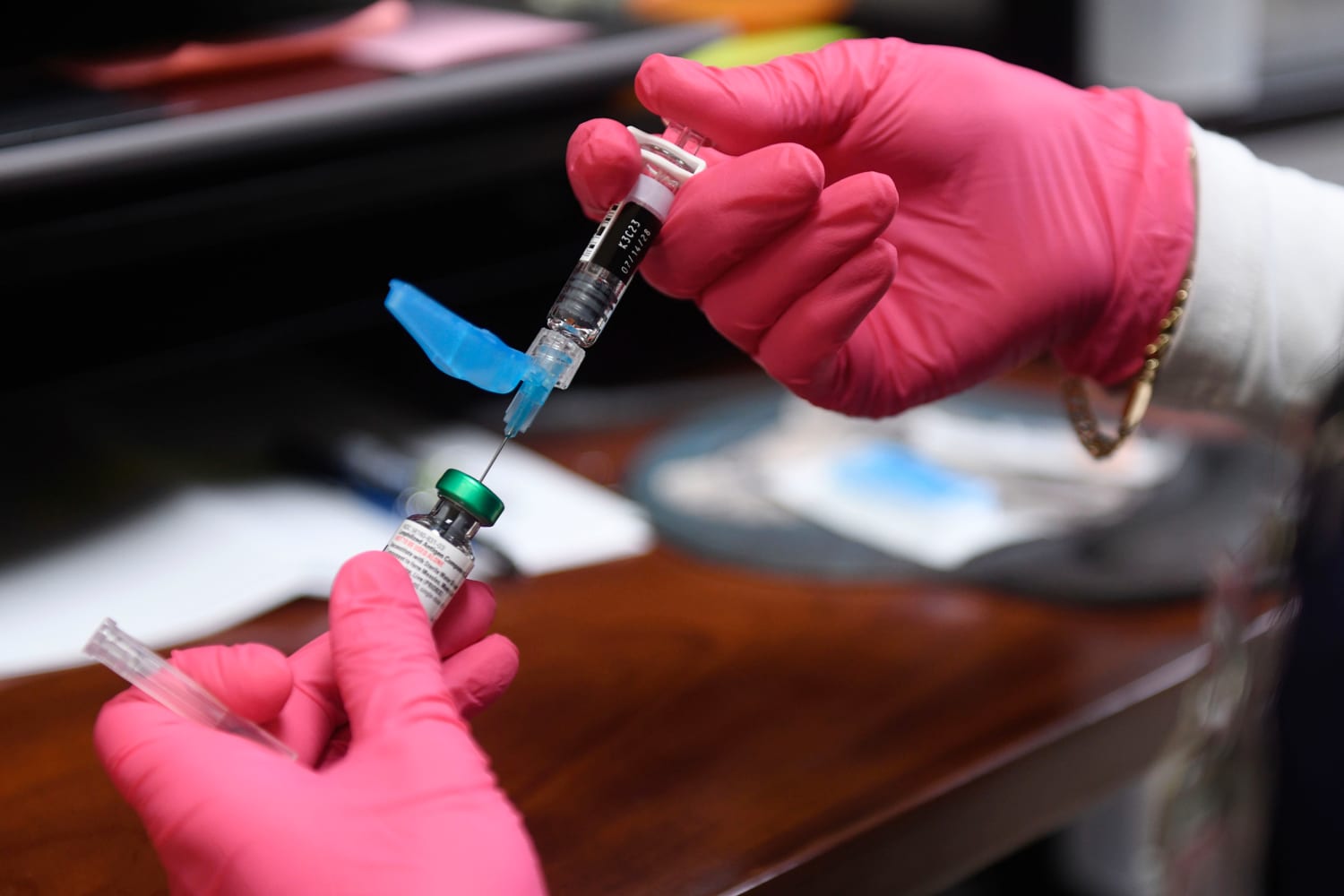
After months of heightened concern, health officials in Texas have announced that the measles outbreak which recently gripped the state has officially come to an end. This declaration follows weeks without any new confirmed cases and the successful completion of monitoring periods for individuals previously exposed to the virus. The news marks a significant milestone for public health authorities who coordinated extensive vaccination campaigns, contact tracing, and public education efforts to curb the spread of the highly contagious disease.
Measles, a contagious viral disease recognized for spreading quickly, presents distinct challenges when epidemics happen in extensive states such as Texas. The population there is distributed across both congested urban centers and isolated rural regions, which makes providing consistent vaccine access and prompt medical attention a complicated task. The outbreak brought these issues to light, emphasizing the need for coordinated efforts by state agencies, local health departments, and national health organizations to collaborate effectively.
Throughout the course of the outbreak, officials emphasized that vaccination remained the most effective tool in preventing further cases. Public health campaigns were launched to encourage families to update their immunization records, particularly among children and young adults who may have missed scheduled doses. Clinics expanded their services, and in some counties, temporary vaccination sites were set up to reach underserved communities. These measures not only helped contain the outbreak but also increased overall awareness about the importance of maintaining high immunization rates.
The declaration that the outbreak is over is based on guidelines from the Centers for Disease Control and Prevention, which require a period of time to pass without additional cases before an outbreak can be considered resolved. In Texas, that waiting period has now been met, offering reassurance to residents and healthcare providers who had been on high alert. While this marks the conclusion of the immediate crisis, officials continue to stress that measles remains a potential threat whenever vaccination coverage dips below recommended levels.
Epidemiologists analyzing the outbreak noted that most cases were concentrated in areas where vaccination rates were lower than the state average. This correlation reflects a trend seen nationally and globally, where communities with reduced vaccine uptake become hotspots for measles transmission. Such patterns reinforce the need for consistent messaging about vaccine safety and effectiveness, particularly as misinformation and hesitancy continue to influence public behavior. The Texas experience adds to the growing body of evidence that outbreaks often serve as reminders of the consequences of declining immunization coverage.
Public health leaders have described resolving the outbreak not as the conclusion, but as a starting point for action. They emphasize that although this phase has ended, preventing future recurrences demands continuous alertness. Persistent investment in immunization initiatives, educational efforts, and early detection mechanisms is essential. Additionally, it is important for healthcare practitioners to remain prepared to identify and manage potential measles cases to reduce risk if the virus is brought back through international travel or other sources.
The outbreak also shed light on disparities in healthcare access across the state. Rural communities, in particular, faced challenges in accessing timely vaccinations due to fewer healthcare facilities and longer travel distances. In response, mobile vaccination units and targeted outreach programs were deployed to bridge the gap. These efforts not only addressed immediate needs but also highlighted the importance of building long-term infrastructure that ensures equitable access to preventive care for all residents, regardless of geography.
Another significant aspect of the outbreak was the role of schools and childcare centers in managing exposure risks. State regulations required that unvaccinated children be excluded from classrooms during periods of heightened risk, a policy that prompted debate but ultimately contributed to containing the spread. For many families, the outbreak became a turning point in recognizing the broader community benefits of vaccination. Education campaigns in schools further reinforced these lessons, helping young people understand how individual choices affect public health.
Healthcare workers caring for patients with measles during the outbreak recounted the impact on those affected and their families. Although a significant number of individuals recovered, some suffered from complications necessitating hospital care. This illness, frequently regarded as an outdated childhood condition, displayed its real seriousness when symptoms advanced to pneumonia, ear infections, and, occasionally, more critical consequences. These experiences were extensively communicated by health departments as part of larger outreach efforts to highlight the dangers of neglecting vaccination.
The conclusion of the outbreak has been greeted with relief, while also recognizing the extensive efforts made behind the scenes. From contact tracers identifying potential exposures to laboratory personnel performing swift testing, the combined efforts of numerous professionals throughout the state were crucial. Their united action acts as an example of how fast mobilization, effective communication, and community involvement can manage an outbreak efficiently in a short period.
Looking ahead, the authorities in Texas are dedicated to preserving robust monitoring frameworks capable of promptly identifying and addressing any resurgence of measles. These frameworks depend not just on healthcare professionals reporting potential cases but also on public adherence to vaccination recommendations. Health officials warn that although the outbreak has ended, measles still persists in other regions globally, implying that imported cases will continuously present a threat. Thus, keeping high immunization levels is the most dependable protection against a new outbreak.
In contemplating this occurrence, numerous analysts view it as simultaneously a cautionary tale and an achievement. The caution stems from the reality that measles, which was nearly eradicated in the United States, reemerges when vigilance is relaxed within communities. The achievement is shown in proving that with collective efforts and community involvement, even a highly infectious virus can be controlled. For Texas, the conclusion of this outbreak delivers not only relief but also a strengthened dedication to safeguarding public health through science-driven policies and active participation.
The declaration that the measles outbreak in Texas is officially over closes an important chapter in the state’s public health history. It reminds residents of the dangers of complacency while highlighting the effectiveness of prevention and rapid response. As health officials turn their focus to future preparedness, the lessons learned during this outbreak will continue to shape strategies for managing infectious diseases. By staying vigilant, encouraging vaccination, and supporting healthcare accessibility, Texas aims to prevent history from repeating itself.