
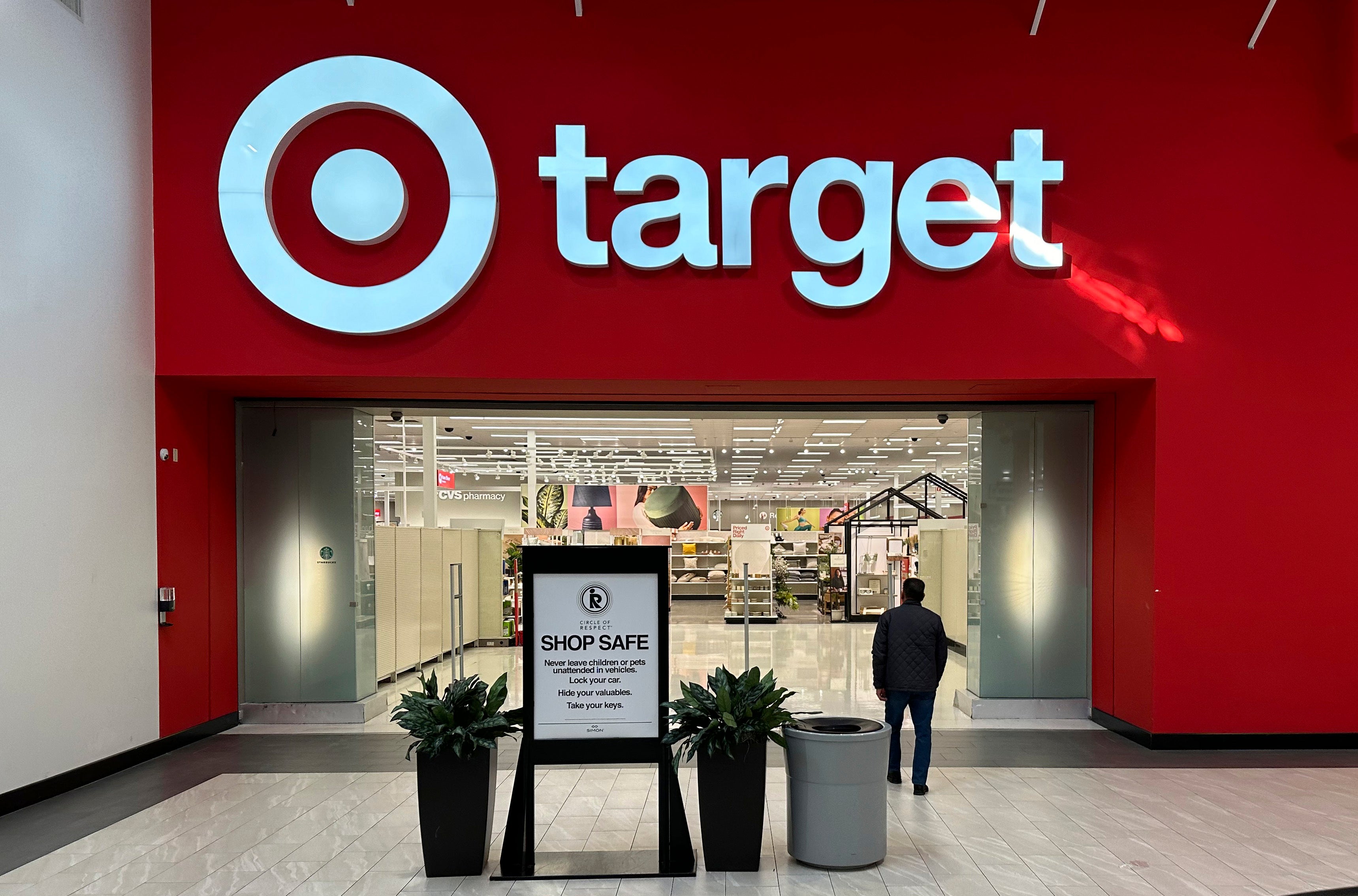
Target Corporation has announced a significant leadership change, appointing a new chief executive officer as the company looks to reinvigorate its sales and redefine its position in the competitive retail landscape. This move comes amid growing pressure from investors and analysts who have noted stagnating growth and shifting consumer behavior in recent years. The decision reflects Target’s commitment to strategic renewal and long-term stability.
The retail giant faces a challenging environment where consumer expectations are evolving rapidly. Online shopping, convenience-focused services, and price-sensitive shoppers have forced traditional retailers to reconsider their approach. Target’s recent performance has highlighted the need for fresh leadership that can navigate these trends and restore confidence among shareholders. The new CEO is expected to bring a combination of experience, innovation, and operational expertise to the role.
The appointment follows a period of introspection at Target. The company has seen a mix of successes and setbacks across its physical stores and e-commerce operations. While it remains one of the most recognizable brands in the United States, competition from other big-box stores, digital-first retailers, and niche brands has intensified. The leadership change signals a renewed focus on enhancing customer experience and increasing market share.
Investors have welcomed the announcement, seeing it as a potential turning point for the company. Target’s stock has experienced fluctuations in recent months due to broader economic conditions and consumer spending patterns. By bringing in a CEO with a strong track record, the company aims to stabilize growth and pursue initiatives that can drive profitability. Analysts expect that clear strategic priorities will be set soon, focusing on both short-term results and long-term brand positioning.
The new CEO inherits several critical challenges. One of the primary areas of focus is improving same-store sales, which have shown signs of slowing. Shoppers today are more selective, often comparing prices across multiple platforms before making a purchase. Target’s leadership will need to identify ways to differentiate its offerings, whether through exclusive products, improved pricing strategies, or enhanced in-store experiences that draw customers back.
Digital transformation will also be high on the agenda. The retail landscape has been reshaped by the rapid growth of online sales and mobile commerce. Target has invested heavily in digital infrastructure over the past few years, but the new CEO will need to integrate these investments into a cohesive strategy. Optimizing inventory, streamlining supply chains, and providing seamless online-to-offline experiences are critical to maintaining competitiveness in an increasingly tech-driven market.
Beyond sales and operations, the way people perceive Target’s brand significantly influences its growth path. The company has built a reputation for offering affordable and quality products, but shifts in demographics and consumer preferences necessitate ongoing adaptation. Initiatives focusing on sustainability, community involvement, and inclusive marketing are now vital parts of contemporary retail strategies. The new leadership team is anticipated to support these values while seeking additional ways to sustain brand relevance.
Employee engagement and workforce management represent another key challenge. Target employs hundreds of thousands of staff across its stores, distribution centers, and corporate offices. Ensuring high morale, effective training programs, and clear communication will be essential to implementing any strategic shift. Leadership that can inspire and guide employees through transitions will be a crucial factor in achieving operational success.
Target’s competitive landscape adds further complexity to the CEO’s role. Rivals such as Walmart, Amazon, and Costco continue to innovate, forcing Target to refine its own strategies. Differentiation may come from exclusive product lines, loyalty programs, or improved customer service. The new CEO will need to leverage data analytics and market research to anticipate consumer needs and respond more quickly than competitors.
Financial strategy is another area of focus. Maintaining profitability while investing in growth initiatives requires careful planning. Capital allocation decisions, including investments in store renovations, technology upgrades, and marketing campaigns, will need to be balanced against shareholder expectations for returns. The CEO will likely prioritize initiatives that provide measurable impact while positioning the company for sustainable growth over time.
Target’s recent initiatives in same-day delivery, curbside pickup, and online shopping tools have been significant moves in adjusting to shifts in consumer habits. Nevertheless, the organization encounters the difficulty of expanding these offerings effectively while preserving quality. The incoming management team must evaluate operational efficiency, recognize obstacles, and put strategies in place that enhance services without compromising profitability.
The broader retail market remains influenced by economic factors such as inflation, interest rates, and consumer confidence. Target’s ability to navigate these macroeconomic pressures will depend on strategic agility and operational efficiency. The new CEO will need to make timely decisions regarding pricing, promotions, and inventory to remain competitive while protecting profitability.
Customer commitment will be essential for future achievements. Target has put resources into initiatives like its rewards platform and unique brand collaborations to boost recurring sales. Enhancing these measures while seeking new ways of interaction can enhance long-term customer worth and strengthen ties with intended audiences. The management team is expected to work on perfecting these schemes to amplify their effect.
Sustainability and corporate responsibility are becoming more crucial in the retail sector. Shoppers are more mindful of environmental and social practices when deciding on where to make purchases. Target has pledged to cut down carbon emissions, increase the range of sustainable products, and aid local communities. The incoming CEO is anticipated to strengthen these efforts, integrating them with wider business goals to improve both reputation and long-term market position.
Innovation in merchandising and product strategy will play a central role in Target’s revival efforts. Identifying trends, sourcing in-demand products, and creating differentiated offerings are essential for attracting shoppers. The CEO will need to foster a culture of innovation within the merchandising team, ensuring that the company remains relevant and exciting in a crowded marketplace.
Marketing and communications strategies will also be pivotal. Crafting campaigns that resonate with consumers, emphasizing value, quality, and convenience, will be critical to rebuilding momentum. Clear messaging about Target’s vision and offerings, combined with data-driven marketing initiatives, can help increase traffic both online and in stores.
Looking ahead, analysts expect that the leadership change could serve as a catalyst for transformation. While challenges remain, including competition, operational complexity, and economic pressures, a fresh perspective at the top provides an opportunity to set a bold agenda. The focus will likely be on long-term growth, digital expansion, and strengthening customer relationships across all channels.
Target’s capacity to rejuvenate sales hinges on synchronized efforts across various areas. Clear strategy, efficient operations, brand creativity, workforce commitment, and digital evolution must harmoniously align. The newly appointed CEO has a crucial responsibility: finding the equilibrium between achieving short-term outcomes and making essential investments to ensure Target’s leadership in contemporary retail for the future.
By appointing new leadership, Target signals both urgency and ambition. The company recognizes that sustaining growth requires proactive management, creative solutions, and a deep understanding of changing consumer behavior. If executed successfully, this leadership transition could mark a turning point in Target’s trajectory, restoring confidence among investors, employees, and customers alike.
The retail world will be watching closely. Competitors, analysts, and consumers will evaluate whether Target’s new leadership can deliver meaningful results and navigate the challenges of a rapidly evolving marketplace. The stakes are high, but the potential reward is equally significant: reaffirming Target’s status as a major player in U.S. retail while setting the stage for sustainable growth in the future.