

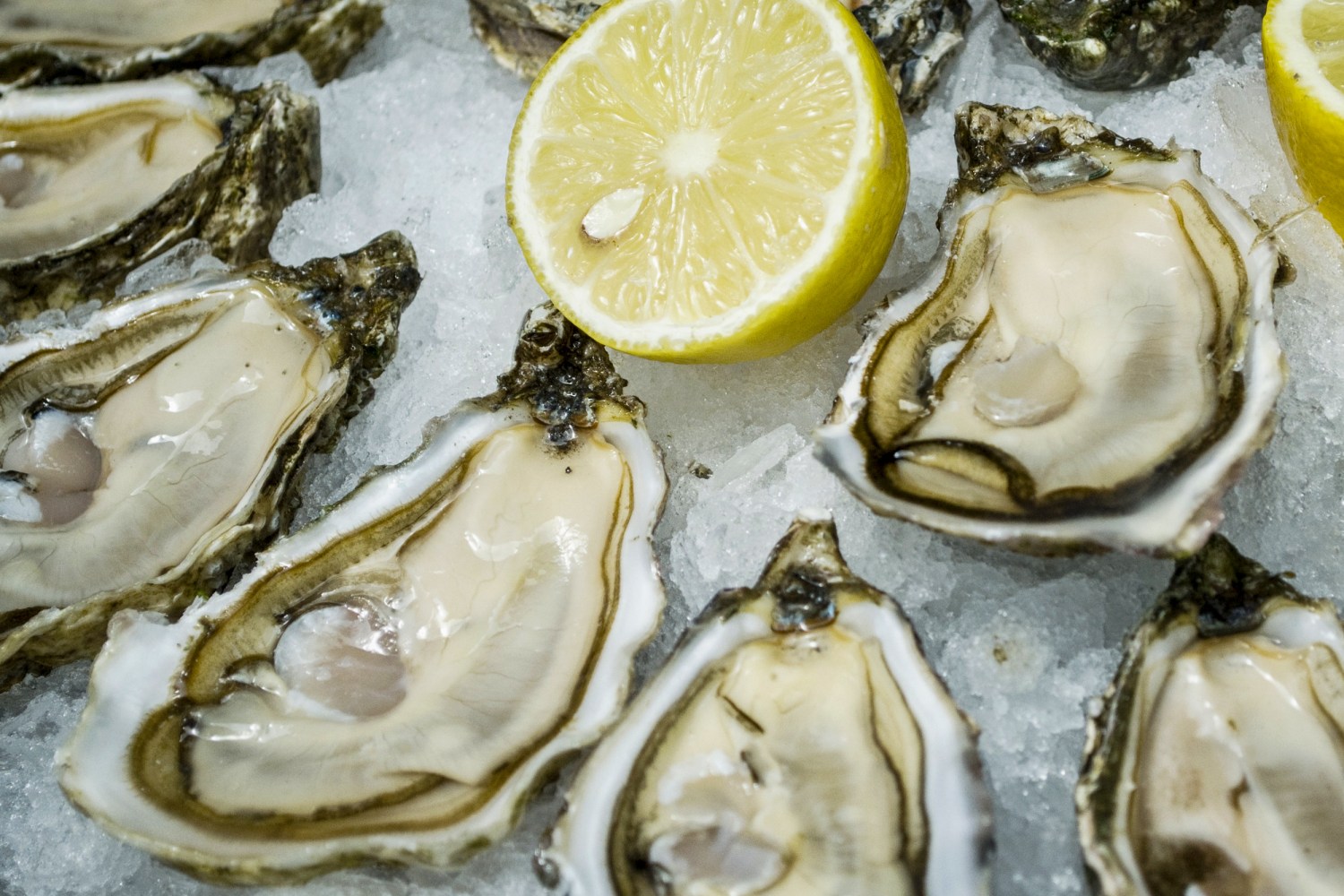
The consumption of raw seafood has long been considered a delicacy in many parts of the world, but recent events have once again highlighted the dangers that can accompany this practice. Health authorities have confirmed that two individuals lost their lives after ingesting raw oysters contaminated with a dangerous strain of flesh-eating bacteria. These incidents serve as a stark reminder of the potential health risks associated with eating uncooked shellfish, particularly when proper handling and storage precautions are not observed.
According to officials, the victims consumed the raw oysters at different locations, yet both cases shared a similar outcome. Each person became gravely ill shortly after the meal, and despite receiving medical treatment, neither was able to recover from the severe infection. The bacteria responsible for these fatalities is known for its rapid progression and ability to cause life-threatening complications within hours of exposure.
Medical experts have identified the pathogen as Vibrio vulnificus, a naturally occurring bacterium found in warm coastal waters. While it is not uncommon for this microorganism to exist in marine environments, infections in humans are relatively rare. However, when they do occur, they can be extremely serious, especially for individuals with weakened immune systems or underlying health conditions. The bacteria can enter the bloodstream and cause sepsis, leading to a very high mortality rate if not treated immediately.
Health authorities have emphasized that the risk is not associated with all oysters, but specifically with those collected from waters conducive to the growth of Vibrio bacteria. These bacteria proliferate in warm conditions, making consuming raw shellfish especially hazardous during the summer and early autumn. Generally, adequate cooking eradicates the bacteria and removes the hazard, which is why specialists strongly recommend avoiding raw or insufficiently cooked seafood during these periods of the year.
The recent fatalities have sparked renewed debates concerning food safety standards and the significance of consumer education. Despite a common belief among seafood lovers that consuming raw oysters is safe if sourced from trusted vendors, it’s important to note that even shellfish taken from observed locations might contain dangerous microorganisms. Health authorities advise that eateries and seafood outlets adhere to rigorous handling protocols, such as maintaining shellfish at correct refrigeration levels and preventing cross-contamination.
Beyond food handling, there is an increased call for individuals to understand their personal risk factors before consuming raw shellfish. People with liver disease, diabetes, or compromised immune systems are particularly vulnerable to Vibrio infections. In these individuals, even a small exposure to the bacteria can lead to catastrophic health consequences. Doctors encourage high-risk patients to avoid eating raw oysters altogether, no matter how fresh or high-quality they may appear.
Symptoms of Vibrio infection typically begin within 24 to 48 hours after ingestion and can include nausea, vomiting, diarrhea, abdominal pain, and fever. In more severe cases, the infection can progress rapidly, causing blistering skin lesions, tissue necrosis, and septic shock. This is why immediate medical attention is crucial if someone develops these symptoms after eating raw seafood. Early treatment with powerful antibiotics can sometimes save lives, but delays in seeking care can be fatal.
State health departments have launched investigations to trace the source of the contaminated oysters linked to these cases. Officials are working with suppliers and distributors to identify where the shellfish originated and to prevent further illnesses. Meanwhile, warnings have been issued to the public, urging consumers to exercise caution and to consider cooking oysters thoroughly before consumption.
Certain specialists propose stricter labeling standards for uncooked seafood items. Labels that explicitly detail the dangers of consuming raw oysters, akin to the cautionary messages on cigarette packs, might contribute to decreasing the annual infection rates. Meanwhile, some support implementing seasonal bans on the sale of raw oysters during the hottest months, a period when Vibrio bacteria are most abundant in coastal environments.
While these tragic deaths are relatively rare compared to the millions of servings of oysters consumed annually, they underscore the importance of understanding the risks associated with raw seafood. For many, the allure of fresh, raw oysters may seem worth the gamble, but as these cases illustrate, the consequences can be severe and irreversible. Public health officials hope that by sharing these warnings and reinforcing safe food practices, future tragedies can be prevented.
Responsibility for ensuring safety is shared among various entities: suppliers are required to maintain adequate harvesting and storage practices, dining establishments are obligated to adhere to strict sanitation standards, and individuals must be conscious about their dietary selections. Properly cooking oysters is the most dependable method to eradicate dangerous bacteria, allowing people to enjoy them without the worry of illness.
These recent cases serve as a powerful reminder that while raw seafood may be a culinary tradition, it carries inherent dangers that should never be underestimated. With the right precautions and awareness, it is possible to enjoy seafood without putting health and lives at risk. For those who value safety over tradition, a simple decision—to cook rather than consume raw—could make all the difference.