

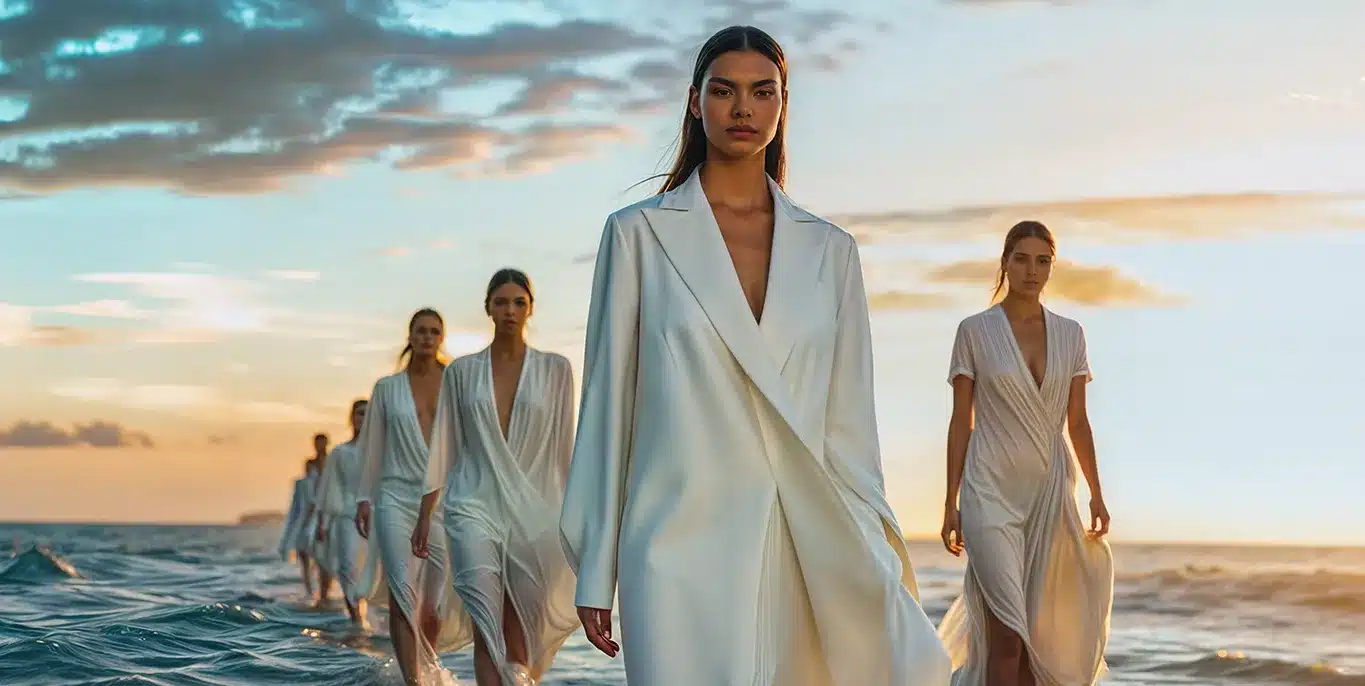
Designer fashion stands as an elevated realm within the apparel industry, shaped by originality, exclusivity, and exceptional craftsmanship. It rises above simple garment creation, capturing cultural stories, individual expression, and the unique perspectives of fashion icons and celebrated brands. This field extends beyond clothing itself, emerging as an artistic discipline that reflects the ongoing evolution of style and aesthetic sensibilities over time.
Characteristics of Designer Fashion
Exclusivity and Limited Editions: A defining trait of designer fashion lies in its exclusive nature, with many items crafted in restricted numbers or occasionally as singular creations, a rarity that elevates their worth and renders them highly sought after by collectors and devoted fashion followers.
Artistry and Craftsmanship: Designer fashion represents a fusion of refined detail and exceptional workmanship, where artisans and designers devote extensive skill and time to every creation, employing premium materials, precise stitching, and inventive pattern work. Techniques like embroidery, hand-sewn finishes, and bespoke tailoring are frequently used to elevate raw textiles into sophisticated wearable art.
Innovative Designs: Designers are pioneers in creating trends and presenting fresh perspectives in fashion. They draw inspiration from diverse sources such as history, art, nature, and urban landscapes. This creativity ensures that designer fashion remains dynamic and continuously evolving, pushing the boundaries of conventional fashion norms.
The Influence of Renowned Designers
Iconic designers like Coco Chanel, Giorgio Armani, and Alexander McQueen, have left indelible marks on the fashion industry with their unique visions and philosophies. For instance, Coco Chanel revolutionized women’s fashion by introducing more relaxed fits and practical styles, opposing the rigid fashion of her time. Armani redefined power dressing with his sleek tailoring that appealed to the modern professional. McQueen’s theatrical and sometimes controversial designs challenged traditional aesthetics and glorified the interplay of art and fashion.
Influence on Culture and Society
Designer fashion frequently mirrors broader cultural shifts, and at times even helps shape them. In the 1960s, mini-skirts and vivid tones championed by Mary Quant came to symbolize the period’s push for social freedom. Decades later, the easy silhouettes of the 1990s, brought to prominence by Calvin Klein, echoed the growing informality of workplace attire and a movement toward pared-down aesthetics.
Furthermore, designer fashion acts as a platform for social commentary. Designers have used their collections to address issues like climate change, gender equality, and cultural appropriation, making fashion not just a visual but also a powerful communicative medium.
The Designer Fashion Industry
Economically, designer fashion is a significant contributor to the global economy. According to a McKinsey report, the fashion industry is valued at approximately $2.5 trillion. Designer brands like Louis Vuitton, Gucci, and Prada drive a substantial portion of this market, commanding premium prices due to their brand heritage and perceived value. With the advent of technology and globalization, e-commerce has introduced designer fashion to a broader audience, expanding markets beyond traditional fashion capitals like Paris, Milan, and New York.
Emerging Directions and Novel Innovations
As the industry evolves, sustainability and ethical fashion are becoming more integral to designer fashion. Consumers increasingly demand transparency and accountability from fashion houses, prompting a shift towards eco-friendly materials and sustainable production practices. Innovations in technology, such as 3D printing and digital fashion, are also poised to redefine how designer fashion is conceived and consumed.
Reflecting on the essence of designer fashion, it is clear that its significance lies not only in its aesthetic appeal but also in its influence and representation of broader societal dynamics. Through artistry and innovation, it continues to shape how we perceive, experience, and create cultural value within the realm of fashion.