

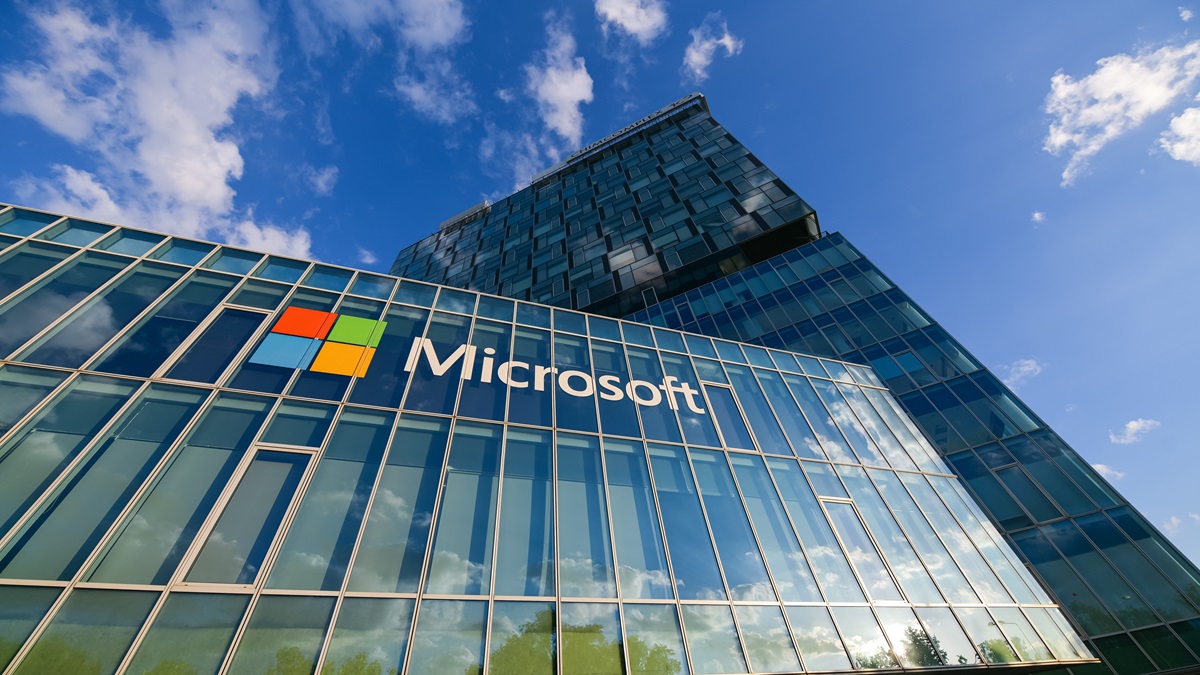
Microsoft has announced intentions to cut their employee numbers by as much as 9,000 roles as the corporation sharpens its emphasis on AI and the technologies driving the evolution of computing. These most recent job cuts come after prior reductions in staff and illustrate the tech leader’s overall approach to concentrate on new developments and reorganize its activities in a market that is becoming more competitive.
The decision highlights a significant transformation within Microsoft as it directs resources towards new technologies like AI-enhanced applications, cloud computing, and machine learning. The corporation, which has historically been a leader in digital evolution, is now setting its sights on spearheading the upcoming phase of tech progress. Nevertheless, this growth involves challenging decisions, such as optimizing specific units and eliminating positions that no longer fit its strategic plans.
In a formal announcement, Microsoft underscored its dedication to “adjusting workforce focus to align with growth areas over the long haul,” especially in the realms of AI and cloud solutions. The statement highlighted that even though certain positions will be cut, the corporation intends to develop new jobs in sectors with significant demand, such as AI innovation, cybersecurity, and data analysis.
The global technology sector has experienced significant volatility over the past two years, with many companies reassessing their business models in response to economic pressures, shifting consumer behavior, and rapid technological change. Microsoft is no exception. The company’s latest move reflects a broader industry trend where tech giants are adapting to meet the rising demand for AI-powered tools while managing costs and operational efficiency.
While Microsoft remains highly profitable, the decision to cut thousands of jobs illustrates the complex balancing act faced by large corporations in the digital era. On one hand, there is an imperative to invest heavily in cutting-edge technologies that promise to redefine industries; on the other, there is the need to remain lean, agile, and financially disciplined. The layoffs, therefore, are part of a larger transformation strategy rather than a sign of financial distress.
The focus on artificial intelligence at Microsoft is expected. Throughout the last year, the company has devoted significant resources to AI research and development, including major financial collaborations with top AI entities. By incorporating AI into major products like Microsoft 365, Azure, and developer resources, Microsoft emphasizes AI’s crucial part in defining its future products.
Generative AI has notably become a central element in Microsoft’s strategy for innovation. The corporation has incorporated AI functionalities into its range of products, such as sophisticated writing support in Word, smart summarization capabilities in Teams, and AI-driven code creation in Visual Studio. These applications are designed to boost efficiency, optimize processes, and provide users with more seamless digital interactions.
However, such technological advancements are also reshaping the workforce. Many roles that once focused on traditional IT services, customer support, and legacy systems are becoming redundant as automation and AI take center stage. This shift has sparked conversations about the broader implications of AI on employment, with some experts warning that rapid automation could displace workers across various industries.
For the employees affected by Microsoft’s job cuts, the transition is understandably difficult. The company has stated that it will provide support to those impacted, including severance packages, career counseling, and assistance in finding new roles within or outside the organization. Nevertheless, the human cost of digital transformation remains a pressing concern for both workers and policymakers.
The declaration has also sparked discussions on the responsibility of corporations and the moral aspects of managing employees in the technology industry. Detractors claim that although firms such as Microsoft strive for substantial earnings and to lead in technology, they must also be answerable to their staff and the communities they support. The difficulty is in guaranteeing that advancements do not compromise the financial stability of the workforce.
On the investor side, Microsoft’s strategy has largely been met with approval. Financial analysts view the company’s deepening focus on AI as a smart move that positions it to compete effectively against rivals such as Google, Amazon, and emerging AI startups. The cost-cutting measures, while painful in the short term, are seen as necessary to maintain Microsoft’s competitive edge in a rapidly evolving marketplace.
The technology sector is experiencing a major shift. Firms are refocusing on AI, automation, and services based in the cloud, changing various aspects from software creation to user interaction. As these developments speed up, changes in the workforce are expected to persist throughout the industry. Microsoft’s move is merely one instance of how key entities are adapting to this evolving landscape.
Looking forward, Microsoft is projected to keep advancing its AI projects and enhance its role in corporate cloud solutions and developer resources. The company’s collaborations, such as its notable alliance with OpenAI, indicate that AI will continue to be at the heart of its expansion plan. This emphasis is anticipated to produce new offerings and services that revolutionize how companies and people interact with technology.
Simultaneously, the continuous development poses significant inquiries regarding the future of employment. As artificial intelligence advances and becomes a more integral part of everyday processes, sectors will have to contemplate methods to retrain employees, generate new employment opportunities, and make sure that advancements in technology serve the greater good of society. Governments, educational bodies, and companies will play crucial roles in steering through this change.
For Microsoft, the task will be to sustain its position as a leader in AI while promoting a culture of innovation that embraces inclusivity, ethics, and forward-thinking. The company’s most recent announcement clearly indicates that it is placing a significant emphasis on artificial intelligence as the basis of its future. The way it handles this transformation, both in terms of technology and social aspects, will define its reputation in the future.
Mientras el ámbito digital sigue transformándose a una velocidad sin precedentes, una cosa resulta evidente: la capacidad de adaptación será crucial no solo para las empresas sino también para los trabajadores y comunidades que buscan prosperar en un mundo impulsado por la inteligencia artificial. La reciente reducción de personal de Microsoft, aunque desafiante, refleja los profundos cambios que están ocurriendo en la economía global, cambios que definirán el próximo capítulo de la revolución digital.