

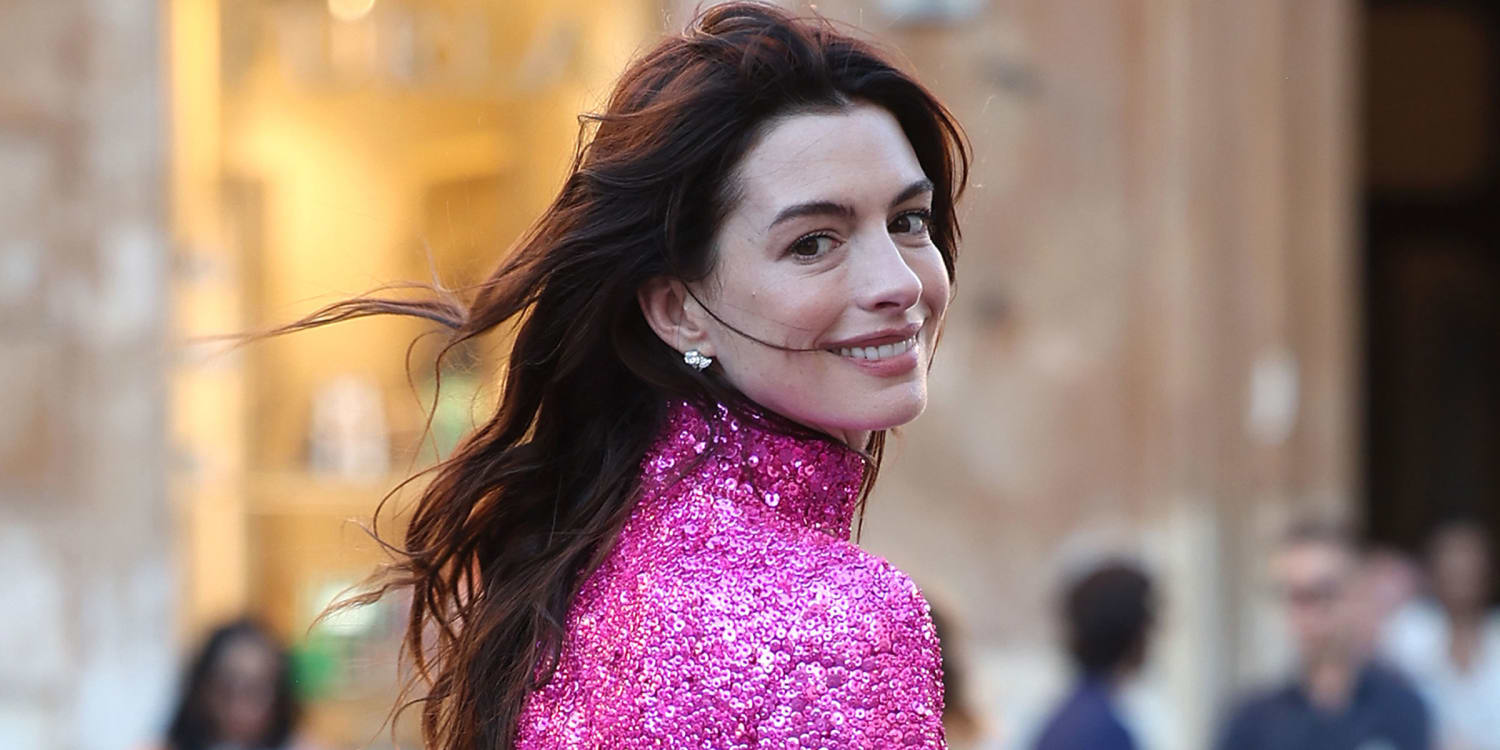
Over time, Anne Hathaway has established herself as an influential figure not only in cinema but also in the fashion industry, with many memorable appearances featured in Vogue magazine. Celebrated for her ageless beauty, adaptability as an actress, and dynamic fashion choices, Hathaway’s connection with Vogue has provided admirers with insights into her personal experiences, significant career achievements, and constantly shifting fashion tastes.
From her early days as a rising Hollywood star to her current status as a seasoned actress and style icon, Hathaway’s appearances in Vogue reflect the shifts in both her career and her image. Each feature has captured a different chapter of her life, blending high fashion with candid insights into the person behind the fame.
One of Hathaway’s earliest notable features in Vogue came during the mid-2000s, a period when her career was reaching new heights following the release of The Princess Diaries and The Devil Wears Prada. The latter, in particular, not only solidified her position in Hollywood but also introduced her to the world of high fashion—a connection that would grow even stronger in the years to come. Vogue’s coverage at the time presented Hathaway as the quintessential modern woman: intelligent, charming, and effortlessly stylish.
In those formative interviews, Hathaway was open about her initial discomfort with the fashion industry. Despite starring in one of cinema’s most iconic fashion films, she admitted to feeling like an outsider in the world of designer clothes and runway shows. Vogue highlighted her relatability, positioning her as someone who, despite her glamour, remained down-to-earth and approachable.
As Hathaway’s professional journey advanced, her features in Vogue began to portray a more refined and self-assured individual. The 2008 appearance, coinciding with the launch of Rachel Getting Married, highlighted not only a change in her acting selections but also a profound inquiry into her private life. The images depicted Hathaway in graceful, subtle attire, indicating a move away from the playful fashion linked to her previous roles. The accompanying article explored her perspectives on stardom, connections, and the difficulties of managing a life in the public eye—topics that resonated with the audience.
Throughout the 2010s, Hathaway’s relationship with fashion grew more pronounced, and Vogue remained a key platform where her evolving style was displayed. One particularly memorable appearance coincided with her role as Catwoman in The Dark Knight Rises. The spread was bold, edgy, and transformative, with Hathaway embracing sleek silhouettes and darker aesthetics. This shift not only underscored her versatility as an actress but also her ability to reinvent herself visually—an essential trait in the ever-evolving world of celebrity fashion.
In addition to her wardrobe choices, Hathaway’s conversations in interviews from this period showed an increasing self-assurance and readiness to talk about issues like self-esteem, psychological wellness, and the demands of the entertainment industry. Her openness won the admiration of both her supporters and reviewers, enhancing the sophisticated images that were part of each article. Vogue, on the other hand, portrayed her as more than just a style icon, highlighting her as an intelligent and expressive individual willing to defy norms.
Another noteworthy highlight in Hathaway’s journey with Vogue was marked by her Oscar victory in 2013 for Les Misérables. The media following her win at the Academy Awards showcased Hathaway at both a career and personal peak. The style focused on traditional Hollywood elegance, highlighting perfectly fitted dresses, opulent materials, and enduring allure. However, the accompanying stories delved into the vulnerability she felt under public attention, especially as she dealt with intense media examination during that time.
Hathaway’s ability to persevere became a prominent topic in her subsequent Vogue features. Following a period away from the public scene to prioritize her private life and expanding family, she re-emerged with revitalized enthusiasm and outlook. Articles from Vogue in this time frequently highlighted equilibrium—between professional life and parenting, public image and personal identity, drive and genuineness.
Her interviews began to highlight broader themes such as women’s empowerment, equality in the entertainment industry, and the importance of using one’s platform for meaningful change. These conversations reflected Hathaway’s own evolution and the shifting cultural landscape. Vogue, renowned for its ability to capture both fashion and social consciousness, provided the perfect forum for these reflections.
In recent features, Hathaway has adopted a more adventurous and experimental fashion style. She has been spotted in avant-garde outfits, bright hues, and striking silhouettes that showcase a woman completely comfortable in her own skin. The styling decisions in these photo sessions not only mirror the latest trends but also highlight Hathaway’s readiness to take chances and assert her uniqueness—an element that has become pivotal to her lasting charm.
The actress has also spoken candidly about her experiences with aging in Hollywood, an industry often criticized for its treatment of women over 40. In interviews, she has expressed gratitude for the opportunities that continue to come her way while also advocating for greater representation and inclusivity across the entertainment landscape. These nuanced conversations have elevated her Vogue appearances beyond mere fashion showcases, transforming them into platforms for meaningful dialogue.
Anne Hathaway’s enduring significance in the realms of fashion and cinema for more than twenty years highlights her versatility and genuineness. Her features in Vogue have documented this path, providing glimpses of a woman who transformed from a young talent to an Oscar recipient, and from a hesitant fashion attendee to a style icon. Every feature uncovers various aspects of her character, letting readers observe her transformation in both understated and impactful manners.
As Hathaway ventures into various new positions, both in her acting career and beyond, her bond with Vogue is expected to grow even more. The publication has not only showcased her evolving fashion sense but has also offered a perspective for the public to grasp her professional journey, her obstacles, and her successes. In a field where continual transformation is crucial for enduring success, Hathaway’s journey exemplifies the strength of being genuine and persistent.
Fashion, ultimately, is not solely about garments—it embodies self-expression, change, and narrative. Hathaway’s Vogue appearances embody this reality. Whether showcased in sophisticated couture or bold modern styles, she has continually leveraged fashion as a means to mirror her personal development and to connect with wider cultural dialogues. Through this, she has sustained her status as both pertinent and esteemed, motivating audiences well beyond the cinematic world.
Looking ahead, Hathaway’s impact on both fashion and film seems poised to continue. With new projects, public advocacy, and an ever-evolving sense of style, she remains a compelling figure in both industries. As Vogue undoubtedly captures future chapters of her journey, readers can expect more than just stunning photography—they can expect insight into the heart and mind of an artist unafraid to evolve, to challenge herself, and to speak her truth.
Anne Hathaway’s unforgettable Vogue appearances are characterized more by the narratives she conveys and the genuineness she exudes than just by her outfits.