

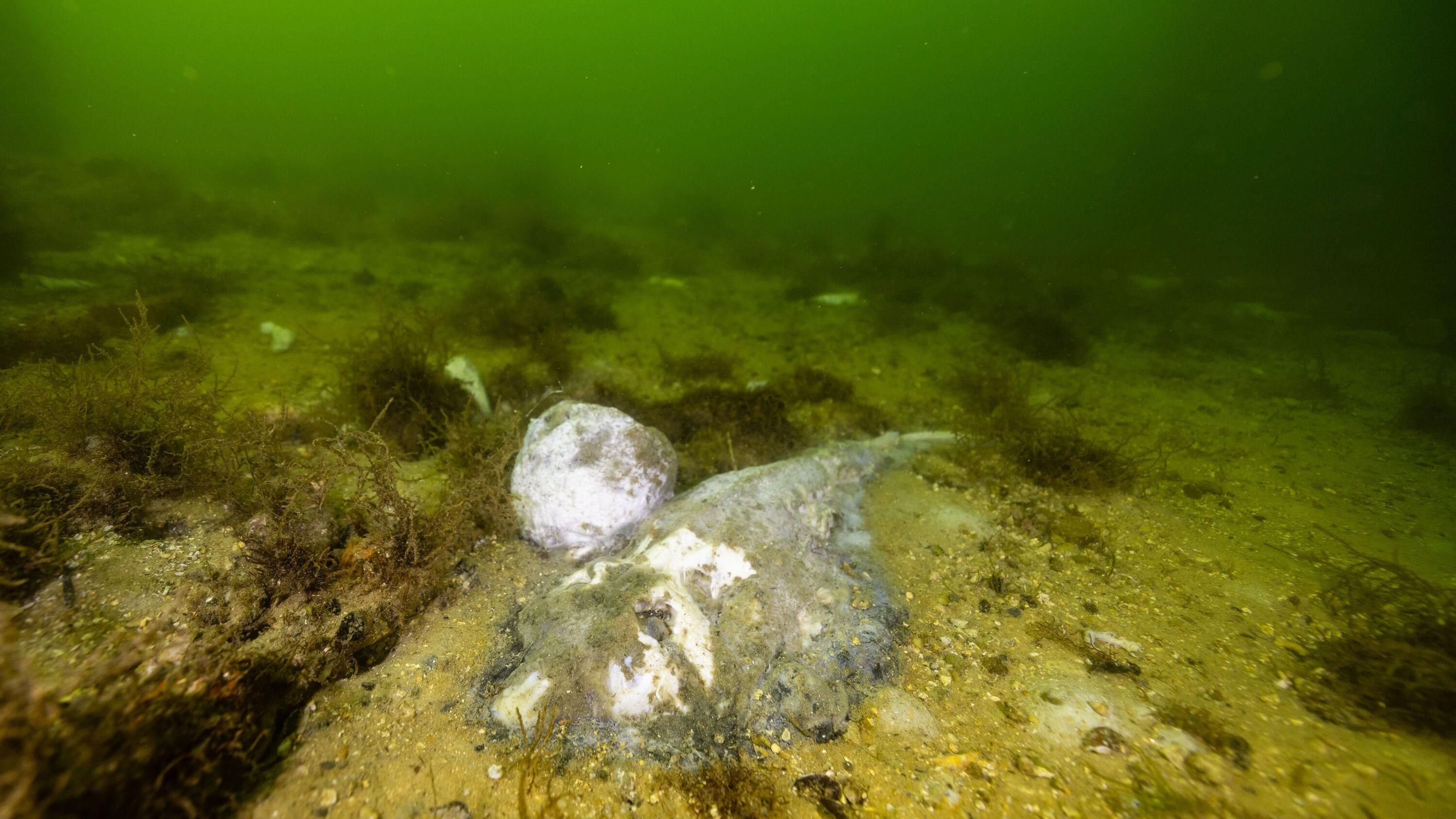
A large-scale spread of harmful blue-green algae in several areas of Australia has become a major environmental crisis, leading authorities to declare it a natural disaster. The extent of the outbreak has impacted significant portions of waterways in various regions, causing severe effects on local populations, farming, and ecosystems.
Authorities have reported that the spread of cyanobacteria—commonly known as blue-green algae—has reached unprecedented levels, coating river systems and reservoirs in thick, green scum. This outbreak, described by regional leaders as one of the worst in recent memory, has led to widespread water quality warnings, closures of recreational areas, and growing concern among farmers who rely on these water sources for irrigation and livestock.
The magnitude of the pollution has compelled state authorities to implement urgent actions. By labeling the scenario as an environmental catastrophe, it permits enhanced allocation of resources, which involves federal aid and economic assistance for the impacted citizens and sectors. Officials assert that this designation highlights both the seriousness of the algae bloom and the intricate interaction of ecological and weather-related elements that have worsened the situation.
Experts highlight a mix of elevated temperatures, extended dry periods, nutrient-packed runoff, and reduced water levels as significant factors in the accelerated expansion of the bloom. These circumstances create a perfect setting for algae to flourish, especially in stagnant or slowly flowing water bodies. Once established, these blooms can be remarkably enduring, lasting for weeks, or even months, particularly when weather conditions remain favorable for their survival.
Communities situated near heavily affected waterways have expressed alarm over the health and environmental risks posed by the toxic algae. Blue-green algae produce harmful toxins that can cause skin irritation, gastrointestinal issues, and, in severe cases, liver or neurological damage in humans and animals. Residents have been urged to avoid contact with the water, and pet owners have been cautioned against letting animals drink or swim in contaminated areas.
The effect on farming is also considerable. Numerous farms in the impacted areas rely on surface water for both watering crops and providing water for animals. Now that access is limited or considered hazardous, certain agricultural activities are experiencing disruptions, lower production, and economic pressure. In some instances, farmers have been forced to resort to expensive alternative water sources, such as transporting supplies by truck or digging deeper wells.
Wildlife is equally vulnerable. Aquatic species such as fish, amphibians, and birds suffer when oxygen levels in water bodies drop—a common consequence of intense algae growth. Reports of fish kills have already surfaced in some locations, raising concerns about long-term ecological damage. In areas where biodiversity is already fragile, this event threatens to set back conservation efforts and disrupt delicate natural balances.
Government representatives have recognized the necessity for a comprehensive and ongoing reaction. Initiatives for emergency clean-up are in progress, involving efforts to oxygenate impacted waterways and apply solutions that may aid in controlling or diminishing algae levels. Nonetheless, specialists caution that these measures provide only short-term relief unless larger problems are tackled.
The focal point of the ongoing discussion is how land utilization and water management practices influence nutrient contamination, especially due to nitrogen and phosphorus leaching from fertilizers, waste, and soil degradation. These nutrients serve as a catalyst for algae proliferation, and their buildup in aquatic systems has been recognized as a key contributor to the worsening of algal blooms.
Climate change exacerbates the risk as well. Increasing temperatures and altered precipitation patterns are fostering more conducive environments for algae blooms to form and last. Droughts decrease water circulation and result in stagnation, whereas intense rainfall after dry periods can flush substantial nutrients into rivers and lakes. These evolving patterns suggest that occurrences such as the present bloom might become more common and intense unless measures are implemented to tackle the root causes.
Public health agencies have been actively monitoring the situation, providing updates and guidance to residents in affected regions. Water testing is ongoing, with authorities prioritizing the protection of drinking water supplies and recreational zones. In some areas, alternative water arrangements have been made, particularly for vulnerable populations and institutions such as schools and hospitals.
The crisis has sparked renewed calls for national policy reforms aimed at improving waterway resilience. Environmental advocates are urging for stricter regulations on agricultural runoff, investment in riparian buffer zones, and better wastewater management. They argue that without comprehensive policy shifts, short-term emergency responses will only offer limited protection against recurring threats.
Local governments, meanwhile, are focusing on community outreach and education, aiming to help residents understand how everyday actions—from garden fertilizing to water conservation—can contribute to or mitigate environmental stress. Some municipalities have launched public awareness campaigns, emphasizing the shared responsibility of protecting natural resources.
While the current bloom may eventually subside with cooler temperatures or rainfall, its broader implications are likely to linger. The event underscores the vulnerability of Australia’s freshwater systems to environmental pressure, and the urgent need for a proactive, long-term strategy to safeguard water quality. It also highlights the importance of integrating scientific data into policy decisions, particularly as communities adapt to a changing climate.
As emergency crews and environmental agencies continue their work on the ground, there is hope that the crisis will prompt meaningful reforms. For now, though, large swaths of Australia remain under the shadow of a toxic bloom, with the well-being of ecosystems, communities, and future water security hanging in the balance.