

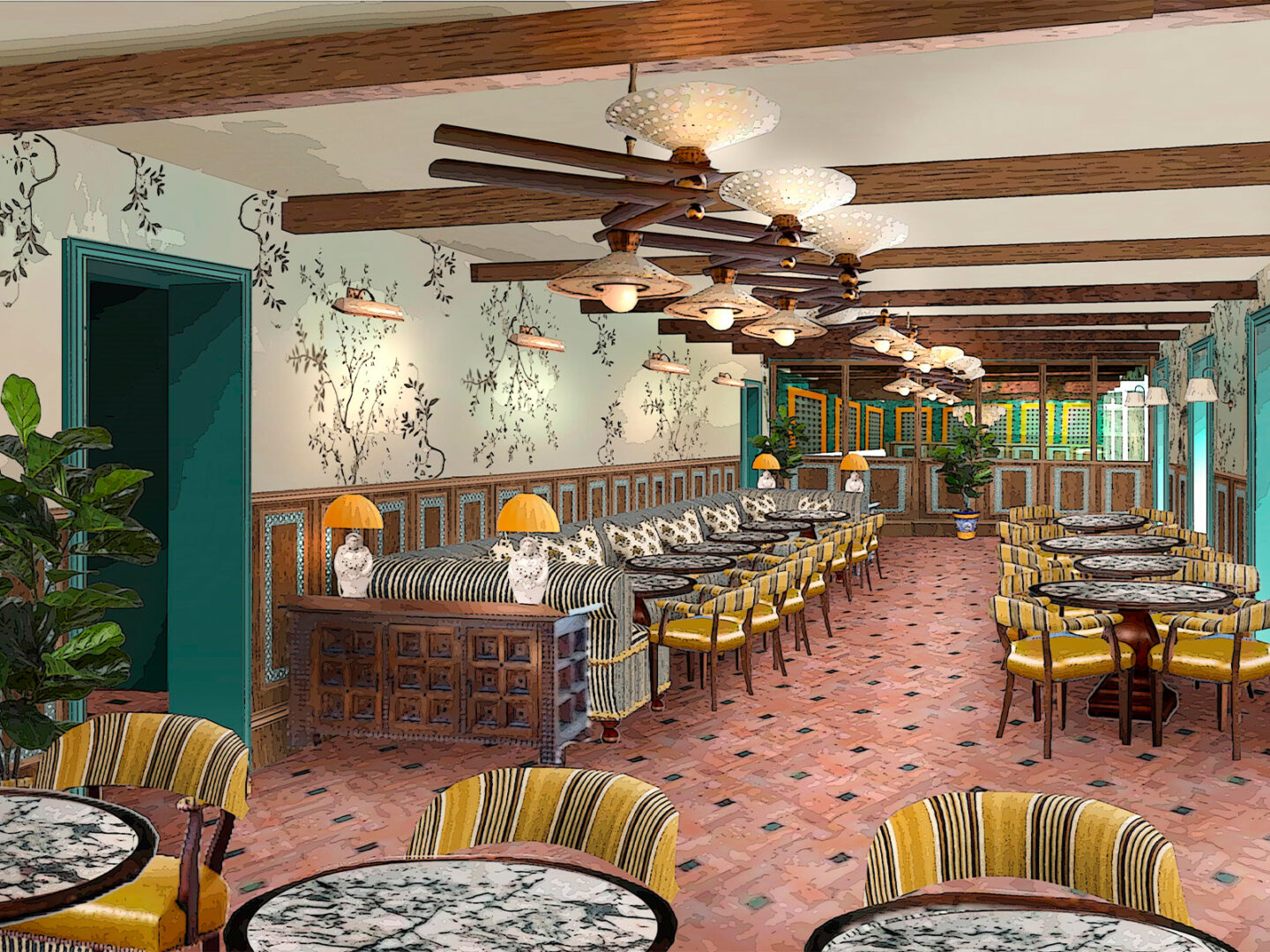
A new era has commenced for the distinguished international private members’ club, Soho House, following a recent acquisition agreement that values it at an impressive £2 billion. This pivotal transaction not only highlights a significant occasion in the hospitality and leisure sector but also introduces a novel perspective to the enterprise’s leadership. The action, which appoints a notable individual from the entertainment and technology industries onto its board, indicates a strategic transformation for the brand as it aims to broaden its influence and attract a fresh generation of members. The acquisition reinforces the club’s standing as a luxury lifestyle brand while also suggesting a future that combines its traditional exclusive model with current technological advancements and media engagement.
The acquisition itself is a complex financial transaction involving multiple investors and is a testament to the brand’s perceived value. For years, Soho House has cultivated an image of exclusivity and artistic flair, drawing in a global membership of creative professionals, entrepreneurs, and influential figures. This reputation, combined with its portfolio of stylish clubs and hotels in prime locations around the world, has made it a highly sought-after asset. The £2 billion valuation reflects not just its current assets but also the immense potential for growth and profitability that the new owners see in the brand. This level of investment suggests a strong belief in the club’s business model and its ability to thrive in a competitive market.
A notably significant aspect of this agreement is Ashton Kutcher becoming part of the board of directors. While he is famous for his successful career in acting, Kutcher has also made a name for himself as an astute investor and entrepreneur in the tech industry. His participation introduces a unique mix of media expertise and business insight to the leadership of the company. This is viewed as more than just a celebrity backing; it is a strategic inclusion aimed at utilizing his knowledge in technology, media, and venture capital. Kutcher’s role on the board has the potential to influence Soho House’s future strategies, particularly in areas such as digital interaction, brand alliances, and incorporating technology to improve the member experience. His understanding of the digital market and the entertainment field represents invaluable contributions that can assist the club in navigating the constantly evolving consumer landscape.
The integration of a new board member with a strong background in technology and media is a telling sign of the direction Soho House is likely to take. While its core appeal has always been its physical spaces and in-person networking, the company is now faced with the challenge of remaining relevant in a world increasingly dominated by digital interactions. Kutcher’s role could involve exploring new digital platforms for members, enhancing the brand’s online presence, and even identifying new business opportunities in the tech and media sectors. This forward-looking approach suggests that Soho House is not content to rest on its laurels but is actively seeking ways to innovate and stay ahead of the curve.
The transaction also highlights general patterns in the leisure and hospitality sector. What were once exclusive private members’ clubs are now experiencing a revival in popularity. These clubs provide more than just accommodation or dining options; they offer a sense of community, inclusion, and tailored experiences. The achievement of Soho House has sparked a new surge of similar ideas, all competing for the interest of a selective customer base. The £2 billion purchase indicates that this approach is not temporary but a sustainable and lucrative business plan. It underscores the increasing consumer desire for experiences that are distinct, customized, and prestigious, transcending a mere transactional interaction.
The recent changes in ownership and the board’s composition are anticipated to usher in a phase of strategic reassessment and possible growth initiatives. Although Soho House’s primary goal is expected to continue—to offer a haven for creative professionals—the methodologies to implement this mission might change. There might be launches of new clubs in emerging regions, an emphasis on different sectors like wellness or media, and a stronger focus on ensuring a seamless member experience, both on and off the premises. The acquisition brings the necessary financial support and strategic direction to pursue these ambitious objectives. The addition of a new board member with a varied background clearly signifies that the company is open to innovative thinking to fulfill its objectives.
The upcoming trajectory of Soho House seems to involve a mix of its recognized essence and an exploration into novel territories. The acquisition and the addition of a new board director transcend typical financial news; they symbolize a company in evolution. The brand is set to capitalize on its worldwide allure, selective community, and physical venues to develop a multifaceted enterprise that goes beyond the conventional limits of a private club. The £2 billion market assessment and the strategic inclusion of a tech-oriented board leader convey considerable confidence in this plan. It will be intriguing to observe how this refreshed leadership guides the organization and what fresh ideas they will bring to a brand already linked with luxury and exclusivity.