

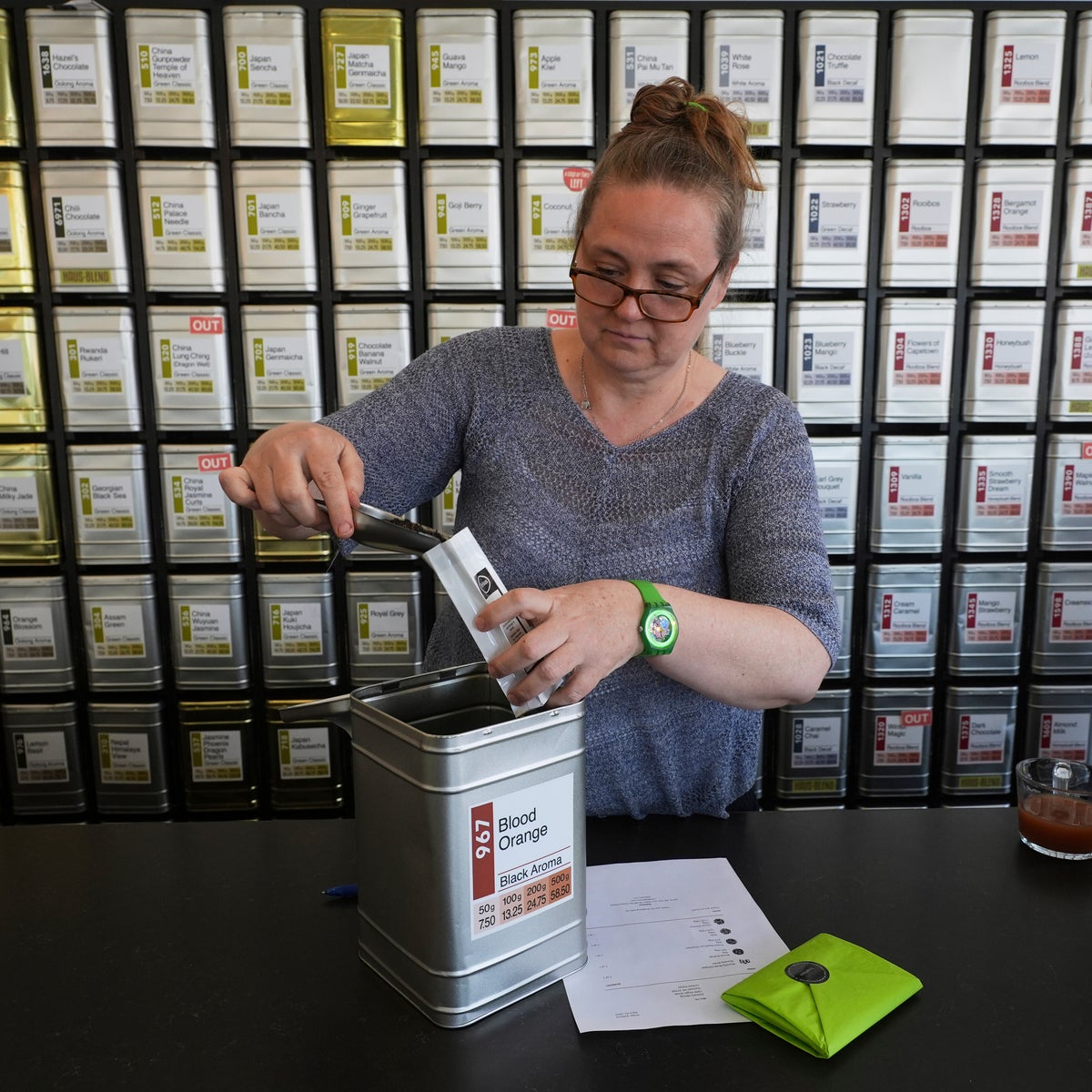
Recent modifications in commerce policies have resulted in a decrease in duties levied by China, which have experienced notable variations in recent years. Although the earlier rate of 145% has been decreased, the effect on small enterprises is still harsh. For numerous business owners trying to navigate these unstable conditions, the scenario remains difficult and disheartening.
Small businesses often operate on thin margins, making them particularly vulnerable to changes in trade policies and tariffs. Even with the reduction in rates, the lingering effects of high tariffs can stifle growth and limit opportunities. Many small business owners report that the costs associated with importing materials and goods remain prohibitively high, affecting their bottom line and overall viability.
In earlier times, high import taxes were designed to shield local industries from overseas rivals. Yet, as these duties have changed, they have shaped a landscape where it is more challenging for small enterprises to remain competitive. Bigger firms might have the means to handle these expenses or transfer them to buyers, but smaller companies frequently do not enjoy that same leeway. This results in an unbalanced marketplace, where minor players face difficulties in sustaining their market foothold.
The decrease in tariffs may seem beneficial for small enterprises, but the situation is actually more complicated. Numerous business owners have dedicated a lot of time and effort to adjust to the formerly high tariffs. Consequently, these abrupt policy changes can cause confusion and additional financial pressure. Small enterprise owners now have to deal with the unpredictability of upcoming trade deals and the possibility of tariffs changing once more.
Moreover, the broader economic landscape plays a crucial role in shaping the experiences of small businesses. Factors such as inflation, supply chain disruptions, and changing consumer behaviors all contribute to the challenges faced by these enterprises. Even as tariffs decrease, the overall environment can remain hostile, making it difficult for small businesses to thrive.
Another significant concern is the long-term sustainability of these businesses. Many entrepreneurs express fear that without consistent support and favorable trade conditions, their operations may not survive. The unpredictability of tariffs and trade relations can lead to a lack of confidence among small business owners, influencing their decisions regarding investment and expansion.
Furthermore, small enterprises encounter emotional difficulties alongside economic hurdles while trying to stay afloat in these unstable times. The pressure of operating a business amidst ambiguity may result in exhaustion and irritation. Business owners are usually dedicated to their endeavors; however, when outside influences arise, creating obstacles to achievement, it can be discouraging.
To better support small businesses, policymakers need to consider the unique challenges they face in the current trade environment. Solutions may include providing clearer guidance on trade policies, offering financial assistance during transitions, and fostering an environment where small businesses can compete fairly. Collaborative efforts between government and business owners can help to create a more stable and supportive framework.
As minor enterprises keep adjusting to these shifts, it is vital for them to stay robust. Forming solid networks, identifying fresh markets, and pursuing creative answers can aid them in maneuvering through the intricacies of the present economic environment. By emphasizing flexibility and community backing, small enterprises can strive to surmount the obstacles presented by taxes and other external pressures.
In conclusion, although lowering tariffs on China might appear as progress, the actual scenario for small enterprises is still worrying. Business owners still confront major hurdles that jeopardize their survival and expansion. It’s crucial for both business leaders and decision-makers to acknowledge these issues and collaborate to create a more supportive atmosphere for small businesses in the future.