

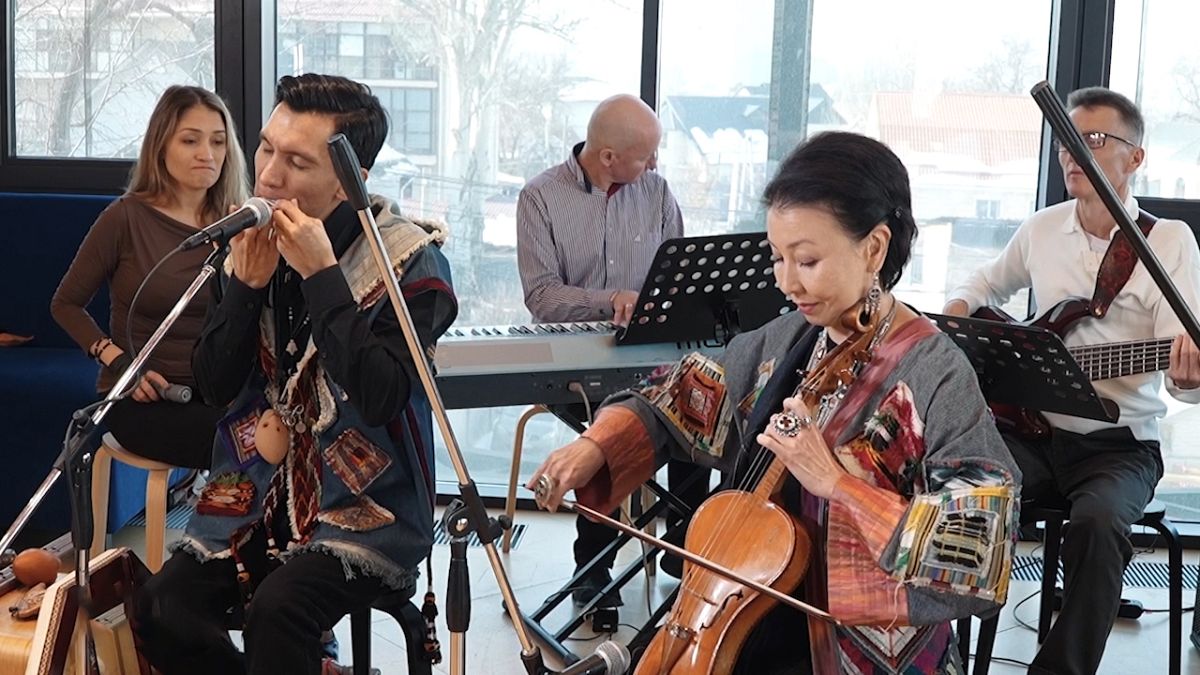
Kazakhstan’s dynamic musical heritage is being rejuvenated by contemporary artists who blend classic melodies with modern influences. These inventive musicians are maintaining the nation’s rich cultural heritage while also adapting it for international listeners. With their distinctive works, they are creating masterpieces that connect ancient customs and current musical styles, providing a new outlook on Kazakh music.
Kazakhstan is renowned for its longstanding nomadic customs, where music holds a significant place in the culture. Instruments such as the dombra
(a lute with two strings) and the kobyz
(a two-stringed lute) and the kobyz
(a bowed string instrument) have been staples of Kazakh musical expression for centuries. However, today’s artists are taking these traditional elements and infusing them with influences from jazz, hip-hop, and other global genres, creating a new wave of music that resonates with both local and international audiences.
. This group effortlessly fuses Kazakh folk instruments with jazz beats, crafting a sound that is both traditional and innovative. Their music frequently includes throat singing, a classic vocal method that introduces a profound, resonant dimension to their shows. Through blending these components, the ensemble has captivated audiences globally while remaining faithful to their cultural origins.
Another notable act redefining Kazakh music is HasSak
. Renowned for their ethno-folk style, the group takes influence from both Eastern and Western musical traditions, merging them to craft a harmonious sound that seems both timeless and contemporary. Their creations highlight the versatility of Kazakh music, demonstrating that traditional instruments and melodies can coexist with modern influences. For HasSak, music serves as a link between the past and the present, providing a bridge across generations and cultures.
Taking a more unconventional approach, the musician Dude on the Guitar
has embraced the ancient Kazakh art form of aitys
—a style of spontaneous poetry—and revamped it for modern listeners. By integrating aitys
with hip-hop, he has crafted a genre that resonates with younger audiences. His music preserves the core of traditional storytelling while infusing it with the rhythm and energy of contemporary beats. For many young Kazakhs, his creations offer a means to connect with their heritage in a way that feels pertinent to their lives.
These artists are not just safeguarding Kazakh traditions—they are transforming them. By integrating traditional instruments and techniques into modern music, they are keeping their cultural heritage vibrant and accessible. Their efforts showcase the depth of Kazakh music while also expanding its limits, establishing it as a significant element in the global music landscape.
The blend of traditional and contemporary sounds has not only captured the interest of audiences but also ignited a renewed fascination with Kazakhstan’s cultural past. For numerous listeners, this music acts as a gateway to the nation’s nomadic legacy, its distinctive instruments, and the narratives woven into its tunes. Through engaging with international audiences, Kazakh musicians are contributing to highlighting their country’s cultural identity globally.
The revival of Kazakh music occurs at a time when numerous traditional art forms globally face the threat of disappearing. For these musicians, merging the old with the new is not merely a creative pursuit—it is a means to ensure their cultural heritage endures. By catering to contemporary preferences while remaining faithful to their origins, they demonstrate that tradition and innovation can exist together peacefully.
This cultural revival is also motivating younger generations to delve into their own heritage. Numerous young Kazakhs, who may have once viewed traditional music as old-fashioned, are now embracing it through these contemporary renditions. The achievements of artists such as The Magic of Nomads,
, HasSak
, and Dude on the Guitar
illustrates the ability of music to go beyond time and unite individuals from different cultures.
demonstrates the power of music to transcend time and connect people across cultures.
In a world that is increasingly interconnected, the fusion of traditional and contemporary music offers a way to celebrate diversity while finding common ground. For Kazakhstan, this blending of styles showcases the country’s unique identity while opening doors to new possibilities. The work of these musicians is a testament to the enduring power of culture and creativity, reminding us that even the oldest traditions can find new meaning in the modern era.
As Kazakh musicians continue to innovate, their music serves as a bridge between the past and the present, offering a glimpse into the future of cultural expression. By transforming their traditions into modern masterpieces, they are not only preserving their heritage but also ensuring that it remains a vibrant and evolving part of the global music landscape.