

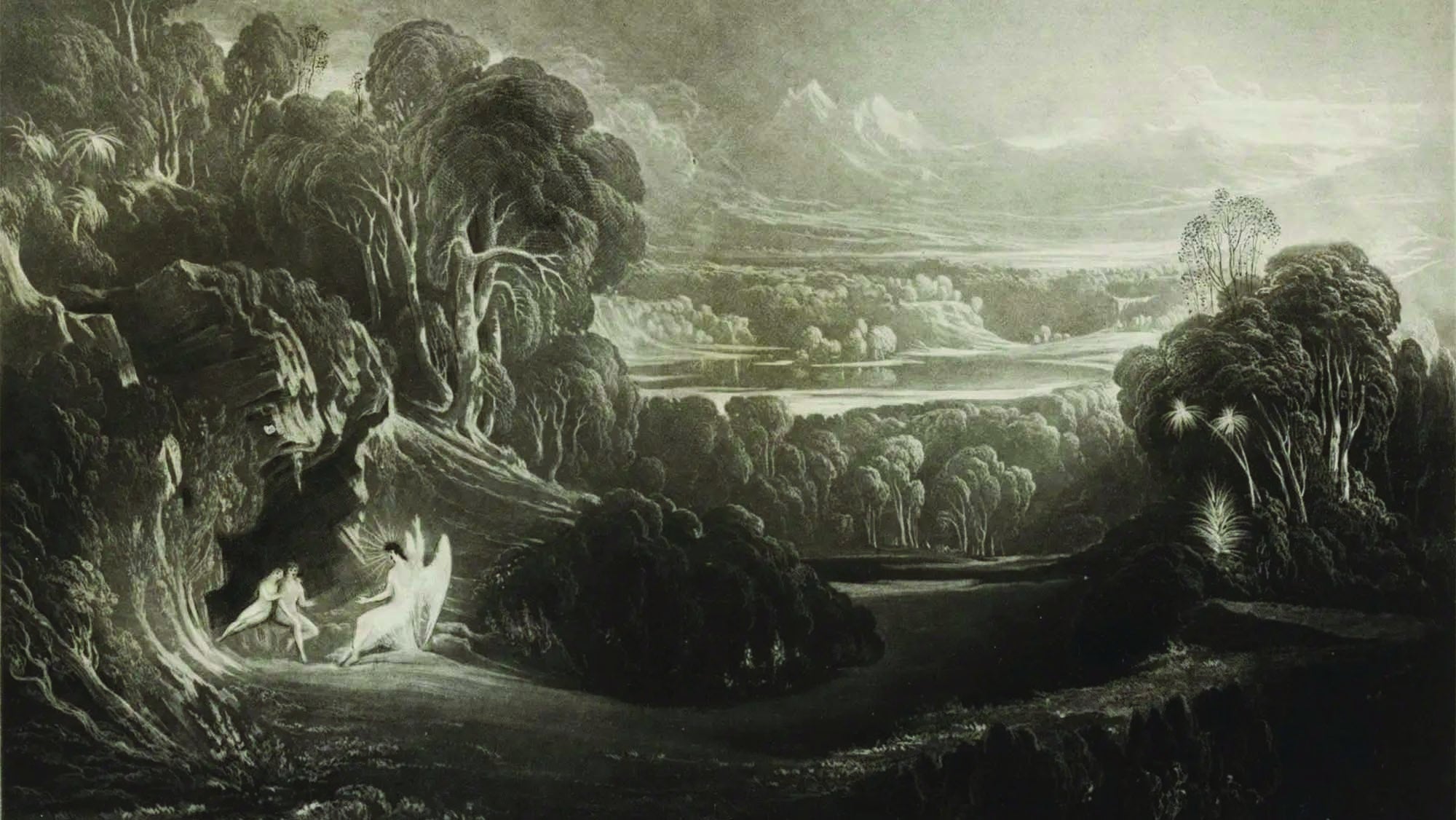
Alan Jacobs’s Paradise Lost: A Biography provides an engaging exploration of John Milton’s monumental poem, placing it at the crossroads of literary genius, religious beliefs, and political turmoil. Instead of creating a conventional biography of Milton, Jacobs delivers a biography of the poem itself—exploring its beginnings, the ideas that shaped it, and its lasting impact through the ages.
The book begins by painting a vibrant picture of 17th-century England, an era characterized by civil conflict, the breakdown of the monarchy, the emergence and decline of the Puritan Commonwealth, and the subsequent return of the monarchy. Milton, who was a fervent republican and dedicated Protestant, experienced this period of political and spiritual upheaval. Jacobs illustrates how these occurrences directly shaped the themes and tone of Paradise Lost, particularly its focus on rebellion, divine justice, and human liberty.
Jacobs’s biography primarily examines how Milton transformed the classical epic form. Inspired by the works of Homer and Virgil, Milton composed a poem that transitions from martial heroics to a metaphysical battle. In Paradise Lost, the primary clash isn’t between nations or empires; instead, it’s among celestial entities and the destiny of creation. Jacobs investigates how Milton employed blank verse, deep theological discussions, and psychologically nuanced characters—especially Satan—to produce a literary piece of vast breadth and aspiration.
Jacobs examines the poem’s moral and spiritual dimensions in depth. At its core, Paradise Lost is an attempt to “justify the ways of God to man,” as Milton famously declares. Jacobs unpacks the philosophical questions that animate the poem: the nature of free will, the cost of disobedience, the potential for redemption, and the balance between divine authority and human agency. Through careful analysis of key passages, Jacobs reveals how Milton explores these themes with both intellectual rigor and poetic grace.
What sets this biography apart is Jacobs’s skill in examining Milton’s religious convictions with both gravity and understanding, while consistently incorporating literary critique. He does not oversimplify Milton’s beliefs into mere theoretical concepts, nor does he regard them as sacrosanct dogma. Instead, Jacobs depicts Milton’s spirituality as an authentic intellectual endeavor—an endeavor that influenced each verse of Paradise Lost and continuously informed the responses of readers over the ages.
Jacobs presents complex theological and historical content in an understandable manner, without dilution, through writing that is clear, succinct, and lively. The story unfolds with direction, leading audiences through the poem’s evolution, organization, and impact. Instead of using heavy scholarly terminology, Jacobs opts for a clear manner that welcomes rather than overwhelms. This style renders the biography beneficial for both those new to Milton and seasoned readers looking for a more profound connection.
A highly enlightening aspect of the book is its examination of the poem’s impact over time. Jacobs delves into how Paradise Lost was initially received in Milton’s era and the changes in its standing through the years. He emphasizes the responses that varied from initial praise and unease to the subsequent interest of Romantic poets, such as William Blake, who believed Milton was “on the Devil’s side without realizing it.” Through documenting these changes in perspective, Jacobs demonstrates how Paradise Lost continues to be a vibrant piece, continually reimagined by each generation.
Jacobs also addresses the tension within the poem’s portrayal of Satan. Often viewed as one of the most vivid and rhetorically persuasive characters in literature, Satan has been admired by some readers as a symbol of rebellious strength. Jacobs navigates this complexity without reducing it to a simple contradiction. He argues that Milton’s Satan is powerful not because the poet secretly sympathized with him, but because Milton understood the seductive appeal of pride and ambition—and chose to confront it head-on.
The life story does not avoid Milton’s inconsistencies. Jacobs notes the poet’s radical political views, his occasionally inflexible religious beliefs, and the reality that he composed his most significant work while visually impaired and frequently secluded. However, rather than detracting from Milton’s accomplishments, these characteristics contribute to the complexity of his personality and the literary piece itself. Jacobs portrays Paradise Lost as the culmination of a lifetime filled with intellectual challenges, creative rigor, and personal belief.
As the book progresses, Jacobs also explores the technical craftsmanship behind Paradise Lost. From its structure and meter to its stylistic innovations, the poem reflects Milton’s extraordinary command of language. Jacobs highlights how revisions over the years shaped the final version of the poem, emphasizing that Paradise Lost was not just the result of divine inspiration, but of careful, sustained effort.
By the end of Jacobs’s biography, readers are left with a renewed understanding of why Paradise Lost continues to matter. The poem’s cosmic war between heaven and hell serves not only as a theological allegory but also as a reflection of human nature—our capacity for both loyalty and defiance, obedience and ambition. Jacobs suggests that the poem’s enduring power lies in its ability to speak to these universal struggles.
Importantly, Jacobs does not provide final answers to the numerous questions that Paradise Lost poses. Instead, he encourages readers to grapple with them, much like Milton. This openness imparts a unique quality to the biography: it honors the readers’ intelligence while promoting contemplation, discussion, and additional exploration.
In the end, Paradise Lost: A Biography is not just a study of a poem—it is a meditation on the act of writing, believing, and enduring through history. Jacobs brings Milton’s world to life without ever overshadowing the poem itself. His work stands as a thoughtful companion to one of the most influential works in the English language, reminding us why a war over heaven and hell still speaks to modern readers with such urgency and resonance.