

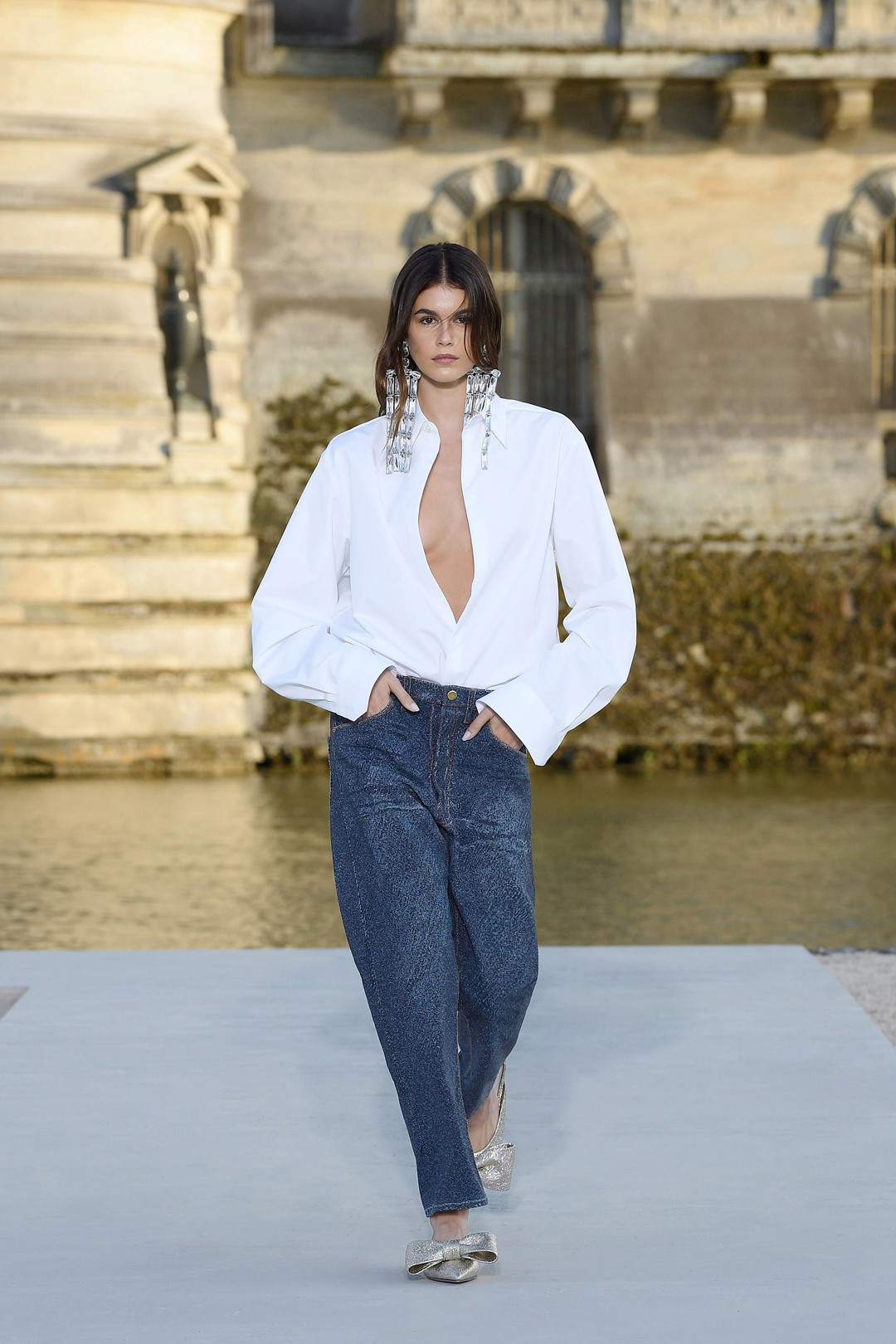
What is Haute Couture?
The phrase haute couture encompasses the sophistication of French style in worldwide awareness. However, to grasp its full essence, it’s necessary to investigate its historical richness and modern-day importance. This article delves into the profound aspects of haute couture, looking at its beginnings, importance, and the skill involved in crafting each meticulously created piece.
The Beginnings of High Fashion
The term haute couture is French and directly translates to “high sewing” or “high fashion.” It appeared for the first time in the mid-1800s, becoming associated with luxury and exclusive fashion. The accolade for creating haute couture is frequently attributed to Englishman Charles Frederick Worth. In 1858, he established the first genuine haute couture house in Paris. Worth’s groundbreaking concept of showcasing collections with live models in private settings laid the groundwork that continues to support today’s fashion presentations.
Characteristics of Haute Couture
Haute couture is not merely a brand name; this term is legally reserved in France and is regulated by certain standards established by the French Ministry of Industry. To be recognized as an authentic haute couture house, a fashion establishment has to fulfill multiple requirements defined by the Chambre Syndicale de la Haute Couture. These requirements include:
1. **Custom Fittings:** Each garment is custom-fit for a particular client, ensuring unmatched precision and personalization.
2. **Handcrafted Details:** At least one piece must be made entirely by hand, utilizing the expertise of skilled artisans.
3. **Design Studio in Paris:** The fashion house must operate a workshop in Paris with at least fifteen full-time employees.
4. **Bi-annual Presentations:** Haute couture collections are presented twice a year, in January and July, showcasing both the innovation and tradition of haute couture design.
The Artistry of High Fashion
The magic of haute couture lies in its extraordinary craftsmanship. Each piece can take hundreds of hours to complete, with meticulous attention to every seam, embroidery, and embellishment. The designs often integrate rare and luxurious materials such as silk, satin, or chiffon, further embellished with intricate beadwork, embroidery, and lace. This level of detail cannot be replicated by mass production, highlighting why haute couture garments can command such significant investment.
The Influence and Significance of High Fashion Currently
In contemporary times, haute couture serves dual purposes as an artistic form and a vital promotional instrument for fashion labels. It presents a glimpse into a realm of innovation that surpasses conventional limits. Although these tailor-made creations are accessible to only a select few, their impact reaches well past their exclusive clientele. Haute couture shapes trends and benchmarks within the international fashion sector, motivating ready-to-wear collections and influencing various design fields.
High fashion represents opulence and craftsmanship in a time increasingly dominated by fast fashion. Its ongoing significance highlights the importance of artisanal abilities, promoting the appreciation of quality and devotion rather than just quantity.
Reflecting on the essence of haute couture, it’s evident that it is more than high fashion—it is an emblem of creativity, heritage, and artistic excellence. By embodying the pinnacle of fashion artistry, haute couture continues to fascinate and influence, offering inspiration that radiates throughout the fashion landscape.