
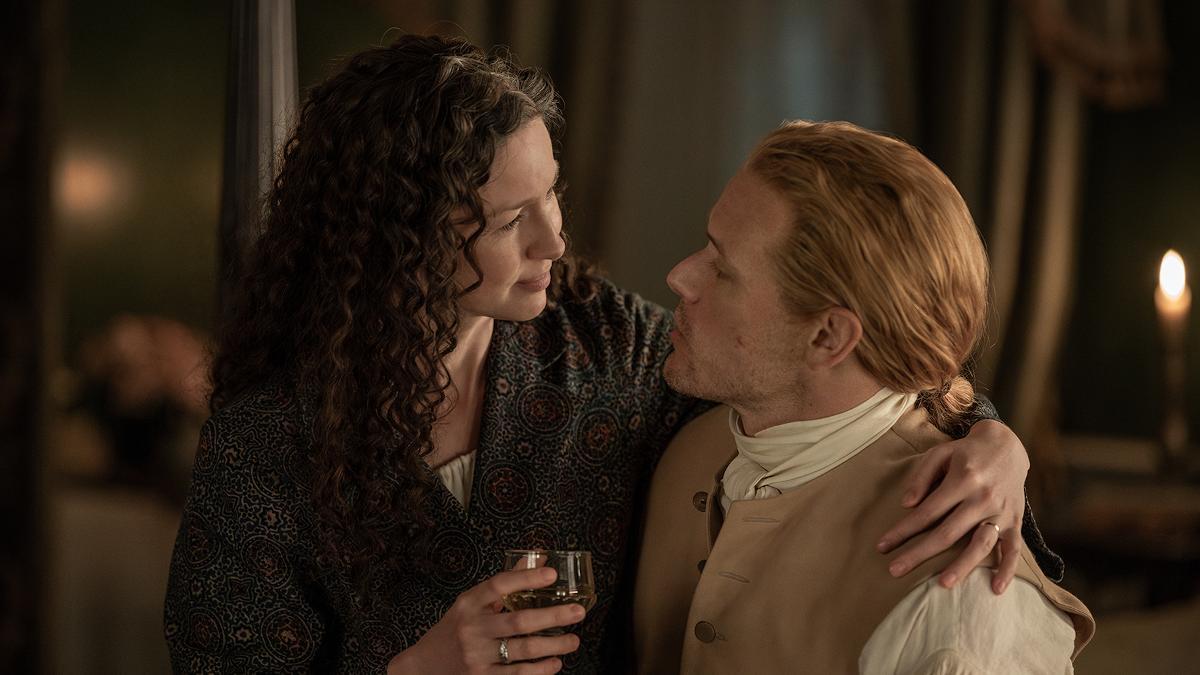
The cultural influence of the Outlander TV series and book collection keeps altering travel habits long after its initial release. Stemmed from Diana Gabaldon’s popular novels, the period drama has motivated numerous followers to explore filming sites throughout Scotland and other places, resulting in an unforeseen economic benefit for the locations showcased in the show.
Scotland has experienced the most dramatic tourism surge directly tied to the series. Visitor numbers at iconic sites like Doune Castle (standing in for Castle Leoch) and the Palace of Holyroodhouse have increased exponentially since the show’s premiere. Local tour operators report sustained demand for Outlander-themed experiences, from guided visits to authentic Jacobite history tours. The Scottish tourism board credits the series with introducing the country’s landscapes and heritage to new international audiences.
Beyond Scotland, the Outlander effect has rippled across other European locations used in production. Fans now regularly include stops in Czech Republic filming sites and French châteaux featured in later seasons. This expanded interest has helped smaller communities develop sustainable tourism economies built around their Outlander connections. Many local businesses have adapted by offering period-inspired accommodations, dining experiences, and cultural programming tied to the show’s 18th-century setting.
Industry experts point out various reasons for Outlander’s ongoing attractiveness for travelers. The show’s stunning visual presentation makes the surroundings feel like essential parts of the narrative, forming strong imagery connections for the audience. Rich historical content ignites curiosity about real-life events and places. Most importantly, the emotional bond that admirers form with the characters leads to a wish to experience their journey.
Tour operators have developed specialized itineraries catering to different levels of fan engagement. Some focus exclusively on visiting filming locations, while others incorporate broader historical context about the Jacobite risings and 18th-century life. Luxury versions include stays in castles and private access to normally restricted areas. Even fans unable to travel internationally can now participate through virtual tours and online experiences.
The economic impact extends beyond direct tourism spending. Many visitors inspired by the series develop deeper interests in Scottish culture, Gaelic language, traditional crafts, and historical research. Local artisans report increased demand for period-accurate clothing, jewelry, and household items similar to those seen on screen. Academic programs related to Scottish history have also seen enrollment bumps at universities near filming locations.
Destination marketing organizations have learned valuable lessons from Outlander’s success about leveraging popular media. Many now actively pursue film and television productions, recognizing their potential to drive long-term tourism. Scotland in particular has refined its screen tourism strategy, ensuring visitors can easily locate filming sites while also discovering authentic local experiences beyond what appeared on camera.
As new seasons continue production, the Outlander effect shows no signs of fading. The franchise has demonstrated how quality storytelling can create meaningful connections between audiences and locations that endure far beyond a show’s initial popularity. For tourism professionals, it serves as a case study in capitalizing on cultural moments while respecting the integrity of both the source material and the destinations themselves.
The phenomenon also highlights changing traveler priorities, with many fans seeking immersive, emotionally resonant experiences rather than traditional sightseeing. This shift has prompted the tourism industry to develop more narrative-driven offerings that appeal to visitors’ passions and interests. Outlander’s success proves that when entertainment and travel intersect effectively, the benefits can extend for years across entire regions.
In the future, the places highlighted in the series persist in discovering creative methods to connect with viewers. Unique events, historical recreations, and cultural interactions all capitalize on the initial intrigue ignited by the program. For numerous visitors, their experience inspired by Outlander serves as a door to a greater understanding of Scotland’s heritage and traditions, fostering lasting connections well beyond the final episode’s broadcast.