

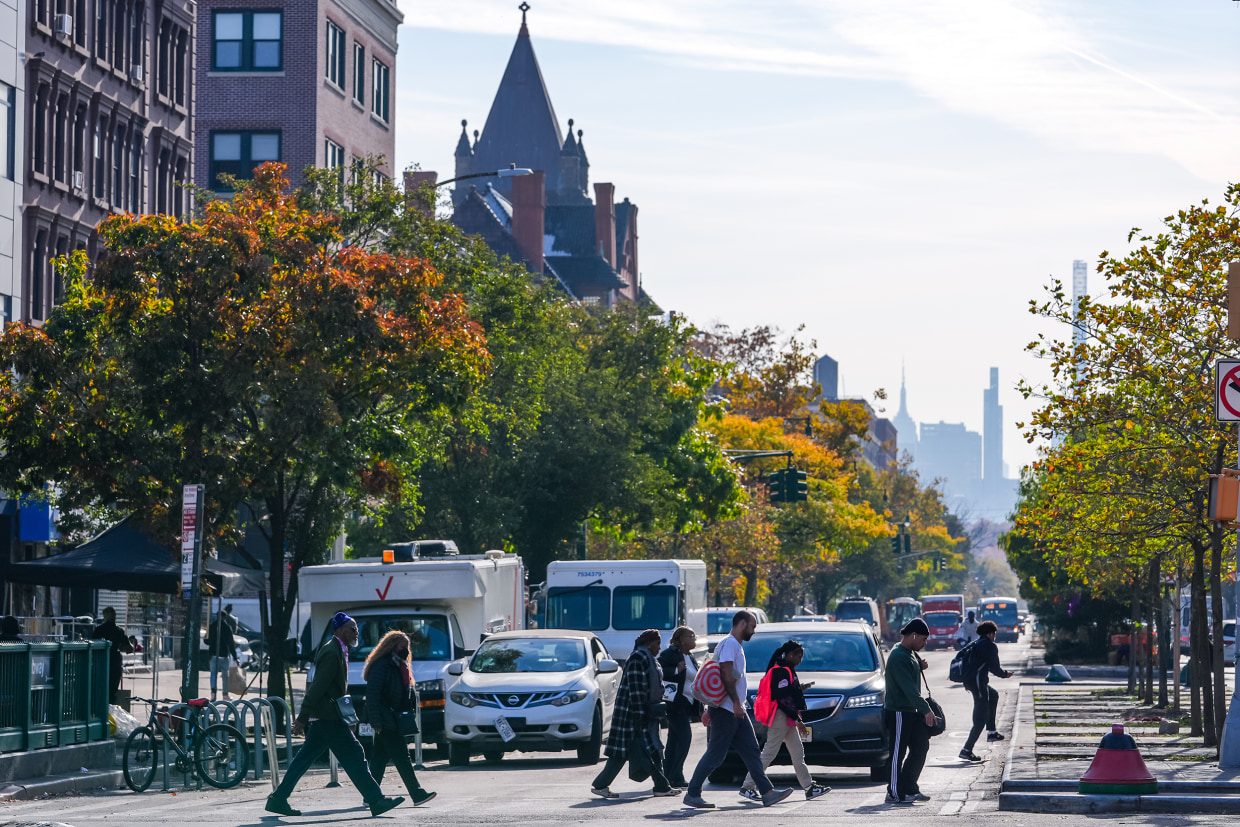
Health officials in New York City have confirmed a second fatality linked to an outbreak of Legionnaires’ disease in Harlem, where more than 50 people have reported symptoms consistent with the illness. The outbreak, first detected in the early summer weeks, has prompted a public health response involving investigation, testing, and outreach efforts across the affected neighborhoods.
Legionnaires’ disease is a severe form of pneumonia resulting from breathing in water droplets that are tainted with Legionella bacteria. These microorganisms are typically present in natural freshwater settings, but they can thrive quickly in artificial water systems like cooling towers, air-conditioning systems, hot tubs, fountains, and plumbing networks if they are not adequately cared for. When the water carrying the bacteria becomes airborne and is breathed in, it can lead to a serious respiratory condition — particularly in older adults or those with compromised immune systems.
Based on information from the New York City Department of Health, the group was detected following an increase in reported incidents in central Harlem. As of the most recent update, over 50 individuals have been confirmed with Legionnaires’ disease. Most of the patients needed to be hospitalized because of the serious nature of the symptoms, which encompass elevated fever, chills, persistent cough, trouble breathing, tiredness, and chest discomfort. Health officials have verified that the individuals primarily affected were adults older than 50 years, with numerous cases involving pre-existing health issues.
The second confirmed death has added urgency to the city’s response, which includes testing building cooling systems and other potential sources of bacterial contamination. City officials have urged property managers in the affected area to comply with all cooling tower maintenance requirements, which include regular disinfection and water quality testing. Preliminary investigations have not yet determined a definitive source of the outbreak, but multiple buildings are currently under inspection.
New York City is familiar with cases of Legionnaires’ disease. In the last ten years, multiple groups of cases have been reported, resulting in revised public health procedures and new laws requiring routine upkeep of cooling towers and associated infrastructure. Despite these efforts, incidents can still happen, especially in hot and humid seasons when bacteria flourish and water systems see increased use.
Municipal authorities have highlighted that Legionnaires’ disease does not transmit through direct person-to-person contact, nor is it spread via drinking water. The main hazard arises from breathing in mist or vapor emanating from infected water systems. Individuals in Harlem have been instructed to steer clear of outdoor misting installations, ornamental fountains, and other aerosol-generating sources if they suffer from weakened respiratory health or belong to vulnerable groups.
In addition to field testing, the Health Department has launched a community engagement effort, distributing flyers, hosting informational sessions, and providing guidance to local clinics and hospitals. Doctors are being urged to test for Legionella in patients presenting with pneumonia-like symptoms, particularly those living or working in the affected area.
Although most patients heal quickly with timely antibiotic therapy, the illness can be fatal if not diagnosed promptly. The mortality rate for Legionnaires’ disease varies between 5% and 30%, contingent upon the swiftness of medical response and the individual’s health condition. This underscores the importance of swift identification and public knowledge during epidemics.
El grupo actual de Harlem también ha revitalizado las discusiones sobre la infraestructura de salud pública en ambientes urbanos densamente poblados. Defensores están pidiendo una supervisión más estricta de los sistemas de los edificios y un acceso ampliado a inspecciones regulares, especialmente en viviendas antiguas donde los sistemas de agua pueden estar desactualizados o mal mantenidos.
In response to public concern, New York City’s Health Commissioner has reaffirmed the city’s commitment to transparency and ongoing communication with the affected community. Officials stress that the risk to the general public remains low, but vigilance and cooperation from building owners and residents are essential to contain the outbreak.
As the investigation continues, the city will be monitoring case numbers and test results closely. Additional updates will be provided as new information becomes available. For now, health officials are encouraging individuals experiencing symptoms such as persistent cough, fever, or breathing difficulties to seek medical attention immediately, especially if they live or work in Harlem.
The situation serves as a stark reminder of the importance of regular maintenance and prompt response in preventing waterborne illnesses. While modern urban systems offer convenience and scale, they also require rigorous oversight to protect public health. As Harlem works through this current health challenge, the hope is that rapid intervention and community cooperation will help bring the outbreak under control and prevent future cases.