
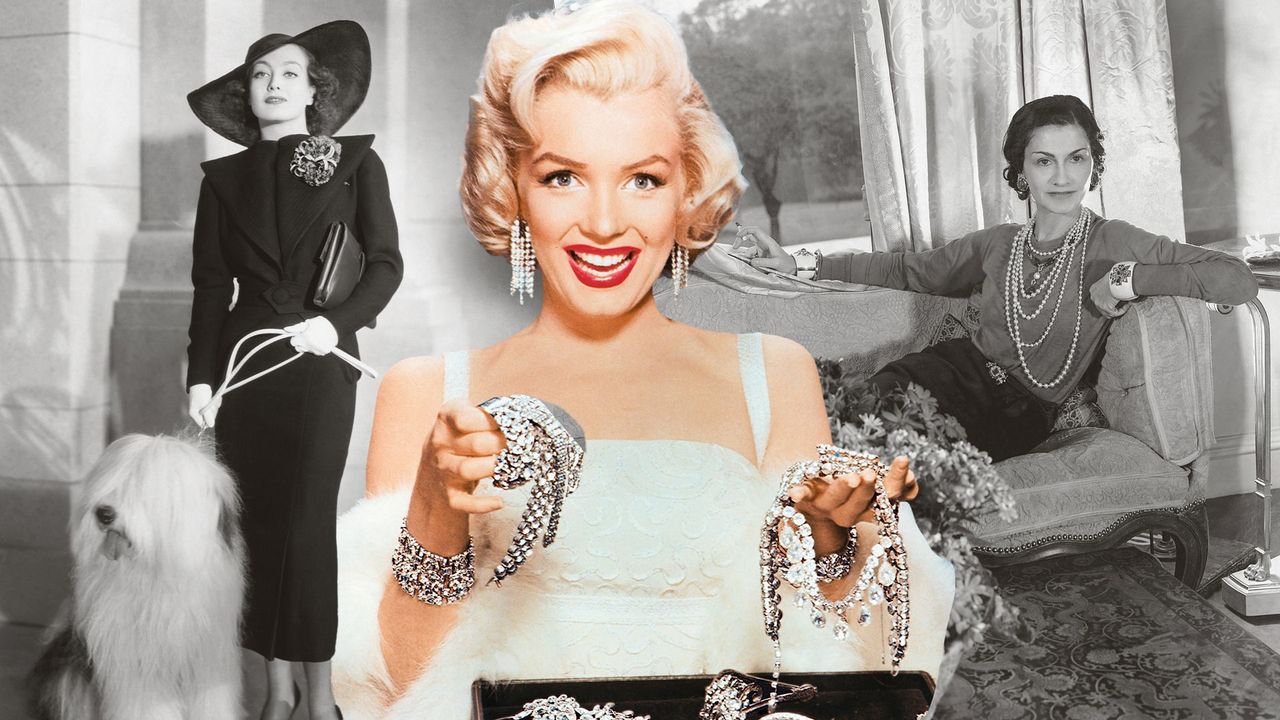
The realm of film has consistently served as a platform where allure and imagination come together to create lasting visuals. Aside from scripts, lighting, and acting, a component that has quietly but significantly influenced Hollywood’s legacy is jewellery. While diamonds and precious stones typically grab attention, it was costume jewellery—crafted to appear stunning without the burden of high worth—that shaped the enduring fashion of numerous iconic actresses. These items, beyond being simple adornments, transformed into symbols of grace and instruments for narrative.
During the Hollywood golden era, costume jewelry emerged as an art form rather than just an inferior replacement. Artisans carefully crafted necklaces, earrings, and brooches that captivated global audiences. Unlike genuine gemstones, which were saved for special events, costume jewelry provided versatility, innovative designs, and a theatrical flair that suited the film industry’s requirements. These pieces were striking enough to stand out under intense studio lighting and versatile enough to reflect various characters’ personas on screen.
Within the realm of women who made a lasting impact on this illustrious tradition, Marilyn Monroe stands out as unforgettable. Her persona is intricately tied to sparkling jewellery that embodied both charm and fragility. The pieces she adorned in movies like Gentlemen Prefer Blondes became significant cultural touchstones, illustrating how costume jewellery could define a character as effectively as spoken words. Monroe’s accessories went beyond mere decoration; they enhanced her presence and established a template for Hollywood elegance that continues to influence fashion today.
Joan Crawford was another star who understood the power of jewellery as a form of communication. Known for her commanding screen presence, Crawford often gravitated toward pieces that emphasized strength and authority. Her use of jewellery went beyond beauty—it reinforced the roles she played, whether as a determined businesswoman or a complex femme fatale. With bold bracelets, structured necklaces, and dramatic earrings, Crawford demonstrated how accessories could project resilience and confidence, qualities that audiences came to associate with her persona.
The skill involved in Hollywood’s costume jewellery design was intentional. In the background, talented creators like Eugene Joseff, who furnished many films with eye-catching items, fashioned jewellery that was precisely prepared for filming. Joseff’s designs were made to reduce shine under studio lights and to accentuate actors’ facial characteristics, demonstrating that costume jewellery was both technologically advanced and aesthetically pleasing. Celebrities such as Monroe and Crawford were the iconic representation of these pieces, yet their brilliance was backed by craftsmen who comprehended the art of cinema.
The significance of costume jewellery extended beyond aesthetics. For audiences of the mid-20th century, these dazzling accessories symbolized a lifestyle that seemed just within reach. Unlike precious diamonds, costume pieces could be replicated and purchased by admirers at a fraction of the cost, allowing women everywhere to emulate their favorite stars. This accessibility democratized glamour, transforming jewellery from an exclusive luxury into a cultural phenomenon. It blurred the line between Hollywood fantasy and everyday fashion, reinforcing cinema’s role as a trendsetter.
Although many years have passed, the influence of these creations is still remarkable. Collectors, fashion experts, and movie fans still honor the craftsmanship of Hollywood’s costume jewelry. Screen-worn originals are in high demand at auctions, not due to their inherent worth, but because they embody the essence of the celebrities who donned them. A necklace once owned by Monroe or a bracelet selected for Crawford holds the charm of nostalgia, film history, and enduring elegance.
What makes Hollywood’s costume jewellery so enduring is its dual nature. On one hand, it was designed to dazzle in the moment—ephemeral, crafted for a specific role or scene. On the other, it became immortalized through film, captured forever in black-and-white stills or Technicolor frames. Each piece tells a story not only of the character it adorned but of the cultural aspirations of the era.
Today, the influence of these iconic accessories continues to shape modern fashion. Designers frequently draw inspiration from mid-century Hollywood, recreating bold chokers, oversized brooches, and chandelier earrings reminiscent of the pieces Monroe and Crawford once wore. In a world where individuality is celebrated, the daring experimentation of Hollywood’s costume jewellery finds renewed relevance. It reminds us that elegance does not depend solely on precious stones but on creativity, expression, and presence.
The glamour of the silver screen may have evolved, but the legacy of its costume jewellery endures. Stars like Marilyn Monroe and Joan Crawford elevated these creations beyond decoration, turning them into symbols of identity, power, and allure. Their jewellery was more than an accessory—it was a language that spoke to audiences then and continues to inspire today. In every sparkling piece, Hollywood captured not just style, but the dreams and desires of an entire generation.