

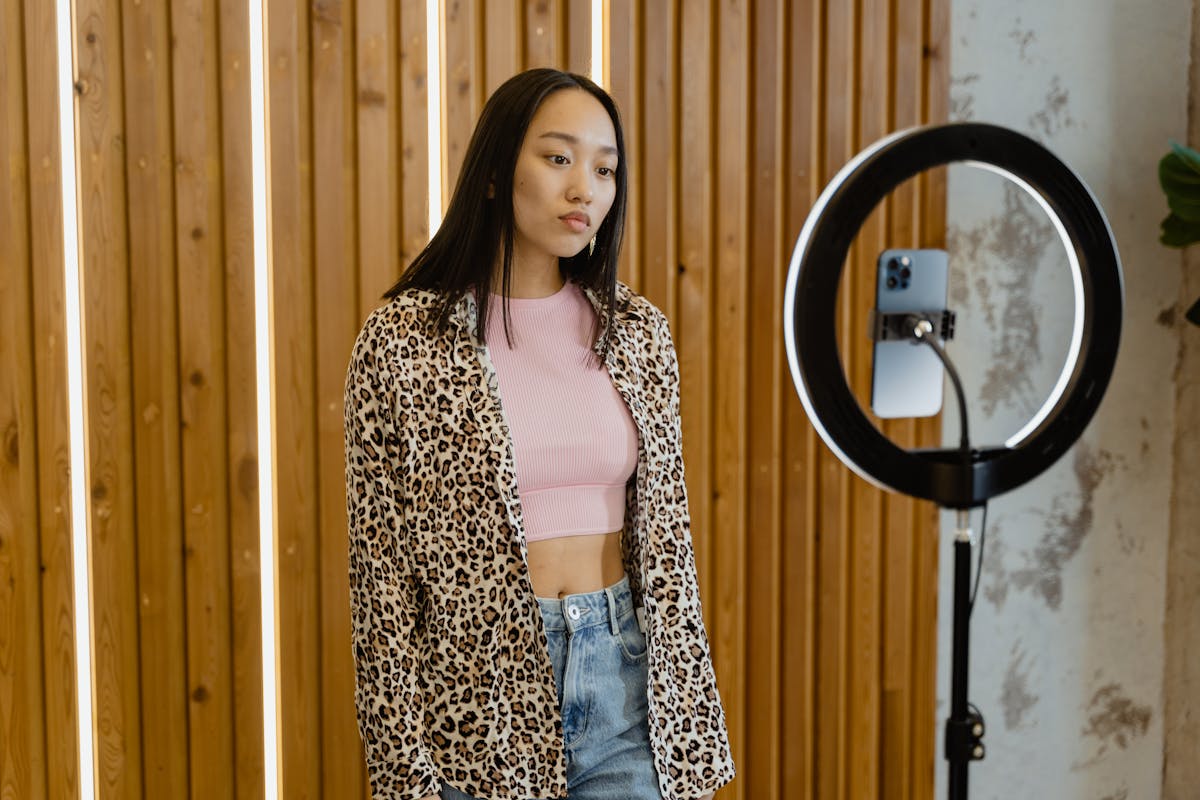
Marketing serves as a central force within the fashion industry, blending creative vision with commercial strategy to elevate brand visibility, deepen consumer interaction, and ultimately boost sales, while the sector relies on trend innovation and a strong brand identity, both shaped through carefully crafted marketing initiatives.
Consumer Engagement and Brand Awareness
In the crowded fashion marketplace, brand differentiation is key. Marketing helps fashion brands stand out by creating a recognizable and unique brand identity. By employing various marketing techniques such as storytelling, influencer partnerships, and visual campaigns, brands can reach and resonate with their target audience. For instance, Nike’s “Just Do It” campaign not only reinforced its identity as a champion of athleticism but also connected emotionally with consumers, encouraging them to strive for personal victories.
The Rise of Digital and Social Media Marketing
The digital era has reshaped the way fashion labels promote their products, as social media now gives them immediate consumer access along with instant interaction and feedback. Platforms such as Instagram, TikTok, and Pinterest have evolved into indispensable fashion‑marketing resources. These outlets support rich visual narratives and engaging formats that work well for presenting fresh collections and reinforcing a brand’s identity. Louis Vuitton, for example, makes use of Instagram to stream its fashion shows live, offering rare access to exclusive events and boosting both global visibility and audience engagement.
Impact of Content Marketing and Storytelling
Content marketing is another critical component in fashion marketing strategies. Through rich and engaging content, fashion brands can convey their story, values, and vision, creating a deeper connection with their audience. Brands like Patagonia effectively use content marketing not only to showcase their products but to highlight their commitment to environmental sustainability. By doing so, they attract a specific consumer base that values ethical practices.
The Influence of Public Figures and Celebrity Endorsements
Influencers and celebrities wield considerable influence across the fashion landscape thanks to their vast audiences and the authority they are believed to hold, and partnerships or endorsements often push brands into the public eye. Fashion Nova, which has built its success on influencer-driven strategies, works with hundreds of fashion influencers and celebrities, using their extensive reach to access new audience groups and accelerate the expansion of its customer base.
Data-Backed Insights Driving Fashion Marketing
Data analytics significantly influence how marketing strategies are shaped across the fashion industry, as consumer behavior and preference insights allow brands to make well‑grounded choices regarding product creation, pricing, and promotional efforts. Retailers such as Zara rely on real‑time data to rapidly address market shifts, adjusting their product selections and marketing communications to closely reflect what consumers want. This responsiveness helps them sustain a strong competitive advantage.
Omnichannel Marketing Strategies
In today’s fashion landscape, a seamless experience across various platforms is essential for capturing consumer interest. Brands are implementing omnichannel marketing strategies to integrate physical and digital touchpoints. This strategy ensures that whether a consumer is shopping online or in-store, they receive a consistent and engaging brand experience. For example, Burberry’s use of RFID technology in stores creates personalized experiences for customers, merging physical shopping with digital innovation.
Fashion marketing is an intricate tapestry of creativity, technology, and consumer psychology. As the industry evolves, marketing will continue to play an instrumental role in guiding brands through new challenges and opportunities. For fashion brands aiming to craft memorable identities and foster lasting relationships with consumers, marketing is not just an accessory—it is the fabric that holds the entire enterprise together.