
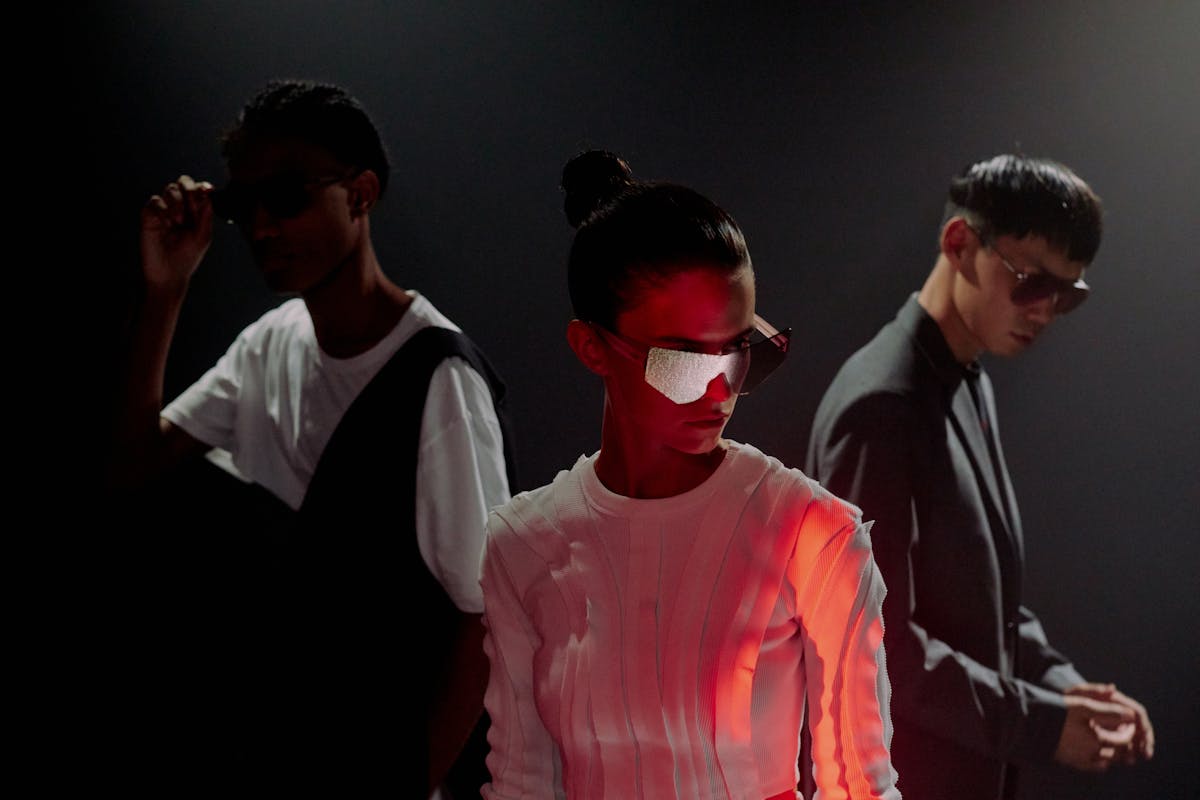
The world of fashion is a complex tapestry interwoven with creativity, artistry, and a relentless drive for innovation. Within this vibrant landscape, the role of the runway model stands out as both coveted and pivotal. But what does it truly mean to be a runway model?
The Core Identity of the Runway Model
At its core, being a runway model involves more than just walking down a catwalk. It is about embodying the designer’s vision and bringing life to their creations. A runway model serves as a moving canvas, showcasing clothes in a way that highlights the intricate details and craftsmanship. They must possess the ability to transform and adapt, often under the scrutinizing gaze of industry experts and the media.
Physical Demands and More
When discussing runway models, the conversation often starts with physical attributes. Traditionally, models are expected to maintain a particular height, generally around 5’9″ to 6’0″ for females and 6’0″ to 6’2″ for males. However, the industry is gradually shifting towards inclusivity, embracing a wider range of body types and appearances. Factors such as skin tone, hair textures, and sizes are receiving increased representation, reflecting a more global and diverse market.
Nonetheless, attributes like poise, posture, and movement are just as important as physical dimensions. A successful runway model must exude confidence and fluidity, maintaining a steady gaze and rhythm as they navigate the catwalk. This demand for an almost ethereal grace is what captures the audience’s attention, compelling them to focus not only on the garments but the overall presentation.
The Skillset of a Runway Model
Beyond physical appearance, runway models require a unique set of skills. The ability to adapt quickly and efficiently during fashion events is crucial. Models often undergo rapid clothing changes and may work long hours, requiring excellent stamina and flexibility. They need to respond to the designers’ and stylists’ needs with a high level of professional acumen.
Moreover, runway models must cultivate a strong personal brand. In the age of social media, their digital presence can significantly impact their career trajectory. Models often engage with audiences on platforms like Instagram to build a following and increase visibility—effectively becoming influencers in their own right.
The Industry’s Ever-Evolving Landscape
The fashion industry, known for its constant reinvention, continues to transform. Emerging movements highlight a shift toward sustainable and ethical fashion, prompting models to take on roles beyond traditional beauty. Increasingly, they champion environmental awareness and social progress, choosing to collaborate with brands that embody these principles.
Furthermore, technology’s influence is impossible to ignore, as virtual and augmented reality are starting to reshape runway presentations and expand their visibility to wider audiences. In turn, models may end up engaging with cutting‑edge digital tools, which can further diversify and enhance their skill sets.
The Psychological Resilience Required
Life as a runway model comes with its own set of hurdles, as the field moves at a relentless pace and remains intensely competitive. Criticism and rejection are frequent, demanding psychological resilience and a robust sense of self. Safeguarding mental well-being becomes essential, since the constant pressure to uphold an ideal appearance and satisfy demanding industry expectations can prove overwhelming.
Models often employ strategies like meditation, counseling, and maintaining a strong support network to navigate these pressures. By prioritizing mental and emotional well-being, they ensure longevity in their careers.
Being a runway model in today’s fashion ecosystem is a multifaceted role that combines physical attributes, adaptable skills, and profound personal branding. As the fashion world continues to evolve, models are stepping beyond traditional boundaries, taking on roles as cultural icons and influencers. They embody the spirit of innovation, adapting to new trends, technologies, and social movements while maintaining the artistry and elegance that the runway demands. This dynamic profession exemplifies the intersection of art and commerce, where the poise and presence of a model speak volumes, bridging the gap between designer creativity and audience appreciation.