

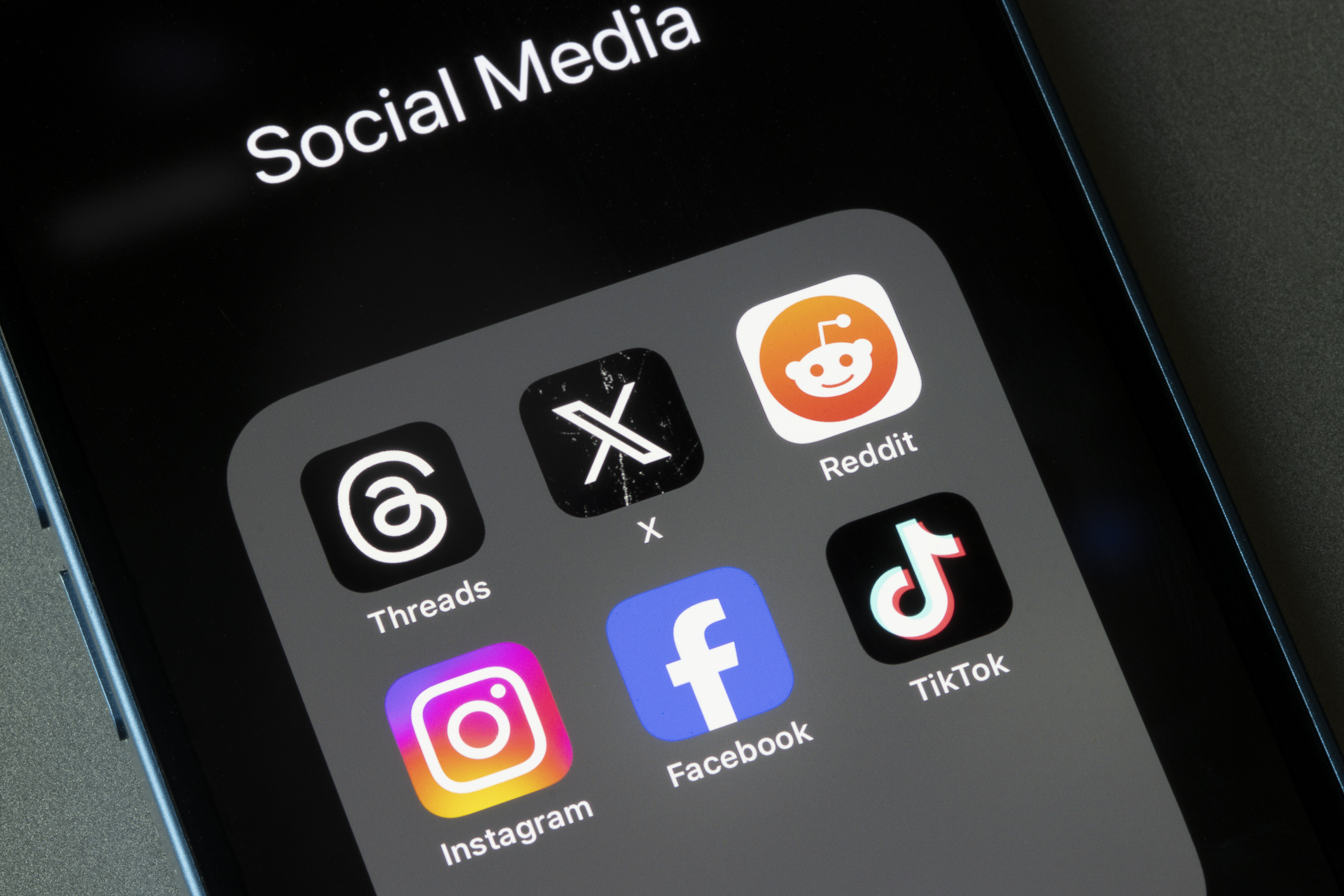
The updated geolocation functions of the social media network have caused concern among users who value their privacy. Instagram’s map tool, intended to assist users in finding local content and events, has sparked inquiries about data gathering methods and possible misappropriation of location details.
HTML privacy specialists emphasize multiple points about this function that they find troubling. The function for automatic tagging can accurately locate and show a user’s location unless deactivated manually. Even when location services seem disabled, some metadata within posts could still disclose approximate locations via background tasks.
Many users remain unaware of the full extent of location data being gathered. The platform collects not just points tagged in posts, but also patterns of movement inferred from regular check-ins and background app activity. This information helps build detailed profiles of user habits and frequented locations, which are valuable for targeted advertising but problematic for those wanting to limit their digital footprint.
Security specialists note particular risks for vulnerable groups. Journalists, activists, domestic violence survivors, and others needing location privacy could inadvertently expose sensitive information. Even ordinary users might face stalking threats or burglary risks when sharing real-time whereabouts. The platform’s default settings tend to maximize data collection rather than prioritize user privacy.
The feature for maps is incorporated into Instagram’s larger system in ways that aren’t instantly clear. Data on locations from posts works together with facial recognition technology and friend recommendation systems, forming detailed behavioral profiles. These profiles can disclose not only the places users visit but also the people they connect with and their everyday habits.
Some technology experts contend that this feature illustrates a larger industry trend towards normalizing continuous location sharing. With augmented reality filters and local business discovery becoming essential platform features, individuals feel more compelled to provide their location data to fully utilize these services. This results in a conflict between engaging in social media platforms and preserving personal privacy.
Advocates for privacy suggest various precautionary actions. Individuals have the option to turn off accurate location tracking by adjusting their device settings, deactivate their location history, and delete geotags from their uploads. Those who are more careful could think about sharing location-specific content only once they have exited a venue or utilizing VPN services to mask their digital traces.
Instagram asserts that its location functionalities are designed to improve the user experience by linking individuals with pertinent local content. The company claims it offers transparent controls and clarifications regarding data utilization. Nonetheless, the intricacy of privacy settings results in many users not completely grasping or modifying their options.
El debate muestra una creciente consciencia pública sobre las concesiones en la privacidad digital. A medida que las redes sociales rentabilizan cada vez más los datos de ubicación, los usuarios deben balancear la conveniencia con los posibles riesgos. Esta función específica se ha convertido en un punto central en las discusiones continuas sobre cuánta información personal deben ceder las personas por la conectividad social.
Legal professionals observe that regulations have not advanced at the same speed as these technological innovations. Although the GDPR in Europe offers certain protections concerning location data, the legislation in the U.S. tends to provide less protection. This gap underscores the requirement for more thorough digital privacy laws as geolocation capabilities become commonplace on social media platforms.
The circumstances offer an example of how technology firms juggle progress and accountability. Elements created to enhance user interaction and ad revenue might lead to unexpected results affecting privacy and user safety. As Instagram advances its location-based services, it must openly tackle these issues to preserve trust.
Currently, it is the responsibility of the users to learn about privacy options and make decisions based on that understanding. The debate over the mapping functionality highlights the fact that, in today’s digital era, location data is potent yet delicate information that demands vigilant handling and safeguarding.