

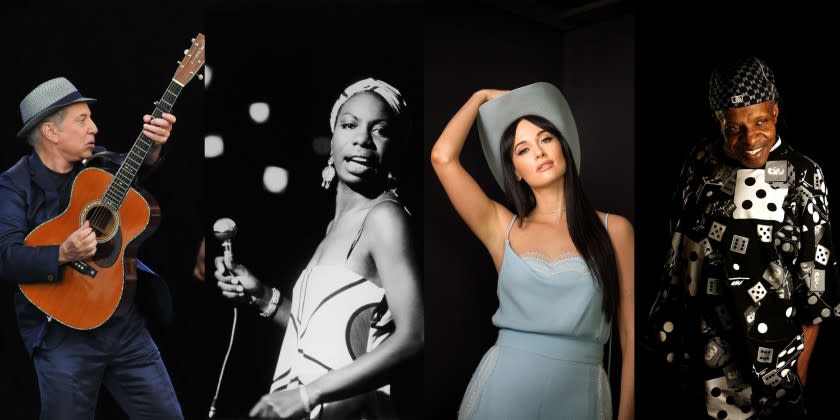
In a notable advancement for the realms of music and technology, Spain has emerged as the origin of the world’s inaugural music album crafted solely through artificial intelligence (AI). This pioneering venture is establishing new benchmarks at the crossroads of creativity and machine learning, igniting worldwide discussions about the future of art in our digital era.
Celebrated as a breakthrough in both technology and art, the album was crafted by a group of engineers, musicians, and AI experts who joined forces to extend the limits of machine capabilities in creative domains. Differing from conventional albums crafted by human artists, each element of this project—from tunes to harmonies and even lyrics—was devised by sophisticated AI algorithms. The outcome is a series of tracks that challenge the distinction between human and machine artistry, highlighting AI’s potential as an instrument for artistic innovation.
The venture started as an exploratory effort to investigate the potential of artificial intelligence in music creation. By employing a mix of machine learning models and neural networks, the AI was taught using a vast collection of music spanning multiple genres and styles. This training empowered the system to scrutinize patterns, structures, and emotional components in the music, allowing it to produce original pieces that reflect the depth and intricacy of human-produced works.
What sets this album apart is not just the integration of AI, but also the degree of autonomy utilized in the creative process. Unlike other endeavors that depend on human input to polish or complete AI-generated material, this album was developed with limited human involvement. The AI was programmed to handle composition, arrangement, and even mixing the tracks, producing a final product that serves as a testament to the prowess of contemporary technology.
Both critics and music enthusiasts have been captivated by the album’s sound, which blends recognizable musical elements with surprising twists that reveal the machine’s unconventional approach to composition. Certain tracks present complex harmonies and rhythms that would be daunting for even experienced musicians to create, while others venture into abstract forms and structures, providing insight into the distinctive viewpoint of a non-human creator.
The album’s release has ignited extensive debate within the music industry and beyond. Some see it as a groundbreaking advancement, while others voice worries about AI’s impact on creative domains. Discussions about authorship, originality, and the importance of human emotion in art have become focal points as artists, producers, and audiences wrestle with the concept of machines assuming the role of creators.
Advocates of the initiative assert that AI ought to be regarded as a tool instead of a substitute for human creativity. They contend that AI can enhance traditional artistry by providing fresh perspectives, boosting productivity, and democratizing access to creative resources. This album, they claim, is not intended to replace human musicians, but to explore new horizons and broaden the understanding of what music can encompass.
Conversely, critics are concerned that the growth of AI-created music might devalue human artistry and result in a homogenization of creative expression. They doubt whether machines, which lack emotions and personal experiences, can genuinely produce art that deeply resonates on a personal level. To many, music is intrinsically linked to human emotion, culture, and storytelling—traits that AI, at least currently, cannot authentically replicate.
On the other hand, skeptics worry that the rise of AI-generated music could undermine the value of human artistry and lead to a homogenization of creative expression. They question whether machines, which lack emotions and lived experiences, can truly create art that resonates on a deep, personal level. For many, music is inherently tied to human emotion, culture, and storytelling—qualities that AI, at least for now, cannot genuinely replicate.
However, the creators of this groundbreaking album emphasize that their goal is not to overshadow human musicians but to showcase the potential of collaboration between technology and art. They envision a future where AI serves as a partner in the creative process, helping artists experiment with new ideas, break through creative blocks, and reach audiences in innovative ways.
The album’s release comes at a time when AI is making significant strides across various industries, from healthcare to film production. In the music world, AI has already been used for tasks such as remixing tracks, generating background scores, and even assisting with songwriting. However, this project represents a bold leap forward, demonstrating that AI is capable of producing a complete, cohesive work of art that stands on its own.
The response to this AI-produced album has been mostly favorable, with numerous listeners applauding its uniqueness and thought-provoking qualities. For some, it offers an intriguing look into the future of music, where human and machine collaboration results in creations that neither could accomplish independently. For others, it prompts significant questions concerning the core of art and technology’s influence on cultural narratives.
Ultimately, the introduction of the first wholly AI-composed music album is a daring declaration about the potential of artificial intelligence within creative domains. It questions traditional ideas of authorship and artistry while paving the way for new opportunities in collaboration and innovation. As AI progresses, endeavors like this are sure to influence the future of music and redefine the connection between technology and creativity.
Ultimately, the release of the first entirely AI-composed music album is a bold statement about the potential of artificial intelligence in creative fields. It challenges conventional notions of authorship and artistry while opening the door to new possibilities for collaboration and innovation. As AI continues to advance, projects like this one will undoubtedly shape the future of music and redefine the relationship between technology and creativity.
Spain’s pioneering role in this achievement highlights the country’s growing influence in the global tech and arts scene, setting a precedent for future explorations at the intersection of creativity and artificial intelligence. Whether celebrated as a breakthrough or met with skepticism, one thing is certain: this album has left an indelible mark on the history of music, sparking conversations that will resonate for years to come.