

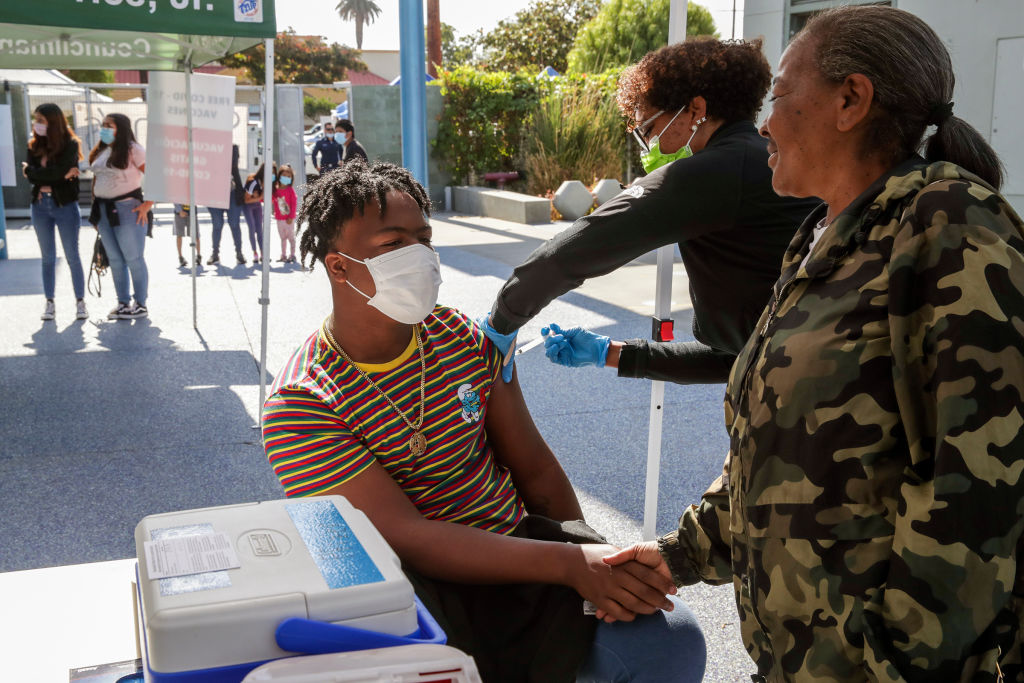
A detailed recent study has shown that extensive vaccination campaigns have greatly decreased global mortality rates, reducing deaths by up to 60%. The study emphasizes the significant effect vaccines have had in managing the dissemination and seriousness of infectious illnesses, especially amid recent worldwide health emergencies. The results underscore the vital importance of vaccination initiatives in preserving lives and safeguarding public health.
The study, conducted by an international team of researchers, examined mortality rates across various populations before and after the introduction of vaccination campaigns. By analyzing data from countries with high, medium, and low vaccination coverage, the researchers were able to draw clear connections between immunization rates and reductions in death rates. The results were consistent across geographic regions, income levels, and age groups, demonstrating the universal benefits of vaccines in preventing serious illness and death.
One of the key takeaways from the study is the effectiveness of vaccines not only in controlling infection rates but also in preventing severe outcomes among those who contract diseases. Vaccines work by priming the body’s immune system to recognize and combat pathogens, which reduces the likelihood of complications, hospitalizations, and fatalities. This protective effect has been observed in numerous vaccination campaigns, including those targeting diseases such as measles, influenza, and most recently, COVID-19.
The research placed significant emphasis on the outcomes of COVID-19 immunizations. From the time the initial vaccines were made available at the end of 2020, billions of doses have been distributed globally. The study discovered that in nations where more than 60% of the populace was vaccinated, there was a notable decrease in deaths associated with COVID-19, with some countries witnessing a reduction in deaths by more than two-thirds. Even in areas with lower vaccination coverage, evident decreases in mortality were noted.
In addition to the direct health benefits, the researchers also noted the broader societal advantages associated with widespread vaccination. Reduced death rates translate into less strain on healthcare systems, fewer economic disruptions, and improved overall societal well-being. By preventing illness, vaccines allow individuals to remain productive, reduce healthcare costs, and maintain stability within communities.
Although these positive results are promising, the research also pointed out ongoing difficulties in attaining fair vaccine allocation. There are still notable differences between nations with high income levels and those with low income, as certain areas continue to face challenges in obtaining adequate vaccine stocks. The researchers stressed the crucial role of international collaboration to guarantee that vaccines are accessible to at-risk groups globally, highlighting that until comprehensive immunization is reached, the threat of the disease resurfacing persists.
The authors of the study highlighted that reluctance towards vaccines remains a barrier to fully realizing the advantages of immunization initiatives. False information, skepticism towards healthcare organizations, and cultural influences all play a role in reducing vaccination levels in certain areas. The researchers emphasized the importance of continuous public awareness campaigns, openness, and involvement of communities to foster trust in vaccines and tackle these issues.
The investigation also explored the historical background of immunization campaigns, following the impact of vaccines on numerous infectious diseases throughout the last hundred years. Illnesses that previously resulted in the deaths of millions each year, like smallpox and polio, have been eliminated or minimized to insignificant numbers in various regions worldwide due to continuous vaccination initiatives. The research indicates that the successful implementation of COVID-19 vaccines represents the newest segment in this enduring history of public health accomplishments.
One noteworthy aspect of the study is its analysis of the relationship between vaccination rates and healthcare system resilience. In countries where vaccination coverage was high, hospitals and healthcare facilities faced significantly less pressure during disease outbreaks. This allowed medical systems to continue providing care for non-communicable diseases and emergencies, thereby preventing additional indirect deaths. Conversely, countries with low vaccination rates often saw overwhelmed hospitals and higher overall mortality.
The economic dimension of vaccination campaigns was another focal point of the research. By reducing illness and preventing deaths, vaccines help stabilize labor markets, maintain consumer confidence, and limit the need for costly public health restrictions. The researchers estimated that the economic savings generated by vaccination programs far exceed the initial costs of vaccine development, production, and distribution. This underscores the value of continued investment in vaccine research and infrastructure.
The research results hold significant consequences for upcoming public health initiatives. As novel infectious diseases keep appearing, the research pushes for enhanced worldwide readiness and faster vaccine distribution. Insights from the COVID-19 pandemic, like the necessity for swift international collaboration and funding in research, might aid in reducing the effects of future epidemics.
The analysis highlights the significance of continuing regular vaccination schemes for various infectious ailments, even during emerging health challenges. Interruptions in child vaccination routines amid the COVID-19 crisis, for example, have sparked worries about possible surges in diseases like measles and pertussis. Researchers encourage health officials to prioritize restarting and broadening these initiatives to protect enduring public health.
The significance of breakthroughs in science regarding the swift creation of vaccines is yet another significant achievement emphasized by the research. Employing cutting-edge technologies like mRNA platforms has transformed the process of vaccine creation, enabling quicker manufacturing and the ability to adjust to new variants. The study suggests ongoing backing for these advancements to better prepare globally for upcoming health issues.
Public health authorities have applauded the results of the study, viewing them as a confirmation of many years of work aimed at promoting vaccination as one of the most effective strategies for preventing disease. Numerous experts have emphasized the need to redouble efforts to eliminate disparities in vaccine distribution, highlighting that safeguarding the most at-risk groups is both a moral duty and crucial for global health stability.
The research also highlights the importance of cooperation among governments, worldwide organizations, drug manufacturers, and regional communities in achieving vaccination campaign success. Collaborations that combine resources, exchange expertise, and ensure equitable availability have been essential in meeting immunization goals. The authors call for enhancing these collaborations to be ready for future public health issues.
While the world adjusts to the repercussions of the COVID-19 pandemic, the outcomes of the study provide both comfort and a reminder to act. Vaccines have demonstrated their effectiveness in preserving lives, diminishing distress, and allowing communities to progress. Nevertheless, the road forward demands a continuous dedication to vaccination initiatives, continual public awareness, and worldwide unity.
The researchers conclude by emphasizing that while vaccines alone cannot eliminate all health threats, they remain one of the most powerful and cost-effective tools available to humanity. Their ability to prevent illness, save lives, and foster economic stability makes them an essential pillar of modern public health. By continuing to invest in vaccine research, expanding access, and addressing public concerns, societies can build a healthier, more resilient future for all.
As vaccination initiatives advance, this study’s findings provide a timely reminder of the significant impact vaccines have had—and still have—on influencing global health results. Through considered planning, fair distribution, and community participation, the protective benefits of vaccines can be spread to every part of the globe, safeguarding both present and future generations.