

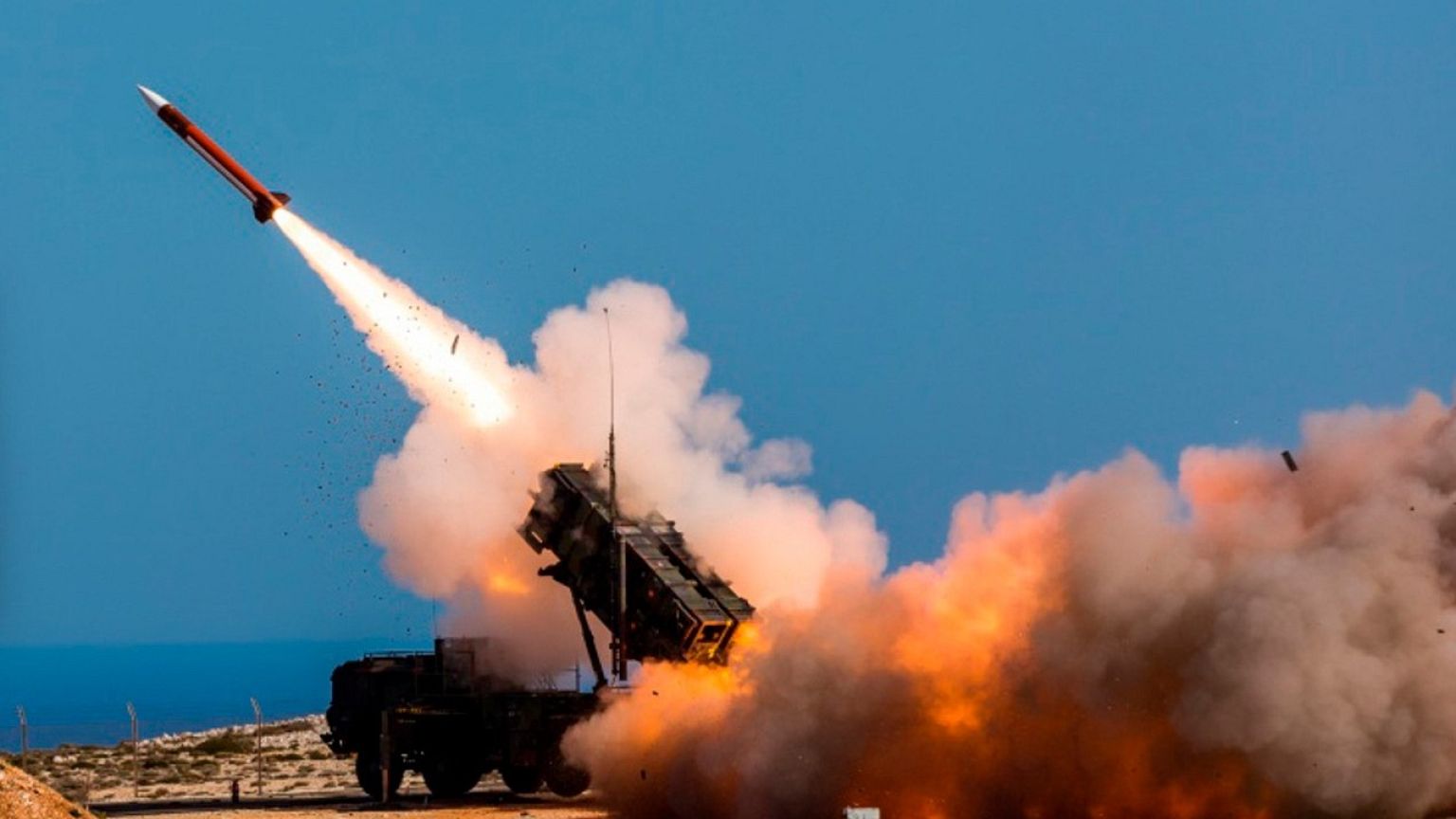
In a major turn of events that may profoundly affect the ongoing strife in Eastern Europe, ex-U.S. President Donald Trump has indicated that Ukraine will be provided with sophisticated air defense systems by the United States. This declaration highlights the growing role of Western nations in the struggle between Ukraine and Russia, which has intensified into one of the most notable geopolitical challenges in recent times.
The provision of sophisticated air defense systems reflects continued U.S. support for Ukraine as the country seeks to defend its airspace against ongoing Russian missile and drone attacks. Since the beginning of the conflict, Ukraine has faced relentless aerial bombardments targeting critical infrastructure, civilian areas, and military installations. The need for effective air defense has become a priority for Ukrainian authorities, and Western nations have responded with a series of military aid packages, including advanced weaponry and defensive equipment.
Trump’s statements concerning the provision of air defense systems, despite not being officially linked to the current U.S. government policy, underscore the bipartisan agreement in Washington regarding support for Ukraine’s resistance against Russian aggression. In the last two years, leaders from both the Republican and Democratic parties have backed military aid for Ukraine, considering it crucial not just for Ukraine’s sovereignty but also for preserving the power equilibrium in Europe.
The air defense systems in question are likely to include modern missile defense platforms capable of intercepting and destroying incoming threats at varying altitudes and ranges. Systems such as the Patriot missile defense system or NASAMS (National Advanced Surface-to-Air Missile System) have been frequently discussed as potential game changers in Ukraine’s ability to protect itself from aerial attacks. These systems have been successfully deployed in other conflict zones and are known for their reliability and effectiveness in neutralizing missile threats.
For Ukraine, obtaining this equipment might significantly enhance its defensive capabilities, especially in safeguarding cities, energy infrastructure, and crucial military assets. Being able to intercept Russian missiles could reduce the catastrophic effects of attacks that have led to extensive destruction and civilian casualties throughout the conflict.
The statements by Trump are made at a moment when the prospect of Western backing for Ukraine is under thorough examination. As the conflict extends into another year, discussions have emerged in the U.S. and Europe regarding the enduring viability of military assistance, particularly in light of internal political demands and economic difficulties. Nonetheless, most Western nations persist in reiterating their dedication to Ukraine, perceiving Russian hostility as a danger to global stability and democratic principles.
Providing air defense systems is not just about military aid but also a symbolic act of unity. It conveys a clear signal to Moscow that Ukraine’s partners are ready to supply the essential resources for the nation’s survival and independence. Moreover, it highlights the continuing significance of transatlantic collaboration against authoritarian challenges.
The procedure of handing over intricate defense systems, nevertheless, is accompanied by obstacles. Instructing Ukrainian troops to handle sophisticated machinery can take several months, necessitating logistical alignment, technological assistance, and strategic planning. Additionally, introducing new systems into the current Ukrainian defense setup requires meticulous management to enhance efficiency and reduce weaknesses.
Furthermore, there are extensive geopolitical consequences that need to be deliberated. Russia has consistently cautioned against the supply of sophisticated Western arms to Ukraine, arguing that it heightens the conflict and amplifies the chances of a broader clash. Moscow has alleged that the U.S. along with its NATO partners is utilizing Ukraine as a proxy to undermine Russia, a story that keeps intensifying the discord between Eastern and Western powers.
Nevertheless, Western leaders, including figures like Trump, have argued that failing to support Ukraine could embolden authoritarian regimes elsewhere, setting a dangerous precedent for international relations. By providing air defense systems, the U.S. not only strengthens Ukraine’s immediate defensive posture but also reinforces the principle that sovereign nations have the right to defend themselves against unprovoked aggression.
The ongoing war has already reshaped global security dynamics, prompting NATO to strengthen its eastern flank and leading to increased military spending across Europe. Countries such as Finland and Sweden, historically non-aligned, have sought closer ties with NATO as a direct response to Russia’s invasion of Ukraine. The provision of advanced defensive systems to Ukraine can thus be seen as part of a broader strategic recalibration that extends beyond the current conflict.
For the Ukrainian population, the assurance of improved air defenses brings a glimmer of hope in the face of adversity. The unyielding assaults on civilian zones have exacted a severe toll on communities, uprooting millions and causing extensive destruction. Robust protection against air threats could alleviate the humanitarian emergency by thwarting strikes on homes, educational facilities, medical centers, and other non-military structures.
The humanitarian aspect of military assistance should not be overlooked. While weapons and defense systems are essential for Ukraine’s security, parallel efforts are needed to provide humanitarian aid, rebuild infrastructure, and support the millions affected by the war. The international community faces the dual challenge of assisting Ukraine militarily while also addressing the human cost of the conflict.
En the United States, Trump’s remarks could also affect the local political conversation regarding the conflict. As a major political figure with sway over a substantial portion of the voters, his stance on military support to Ukraine may sway public sentiment and affect upcoming policy choices. The cross-party backing for Ukraine has, up to now, contributed to consistent U.S. aid, but political conditions might change as the conflict persists.
The economic aspect is another crucial factor. Assistance packages for Ukraine, such as the possible supply of air defense equipment, demand significant funding. Discussions on military expenditures, budgetary discipline, and international policy preferences are expected to become more intense, especially as global economic challenges grow. Keeping aid allocation transparent and accountable will be vital for sustaining public backing.
In the future, air defense will continue to play a crucial role in Ukraine’s overall military strategy. Although a single system alone cannot ensure full protection from the wide variety of threats presented by Russian forces, a coordinated air defense system can greatly bolster Ukraine’s strength. Defending against missiles, drones, and aircraft is vital for maintaining territorial sovereignty and safeguarding the civilian population.
As Ukraine continues to seek international support, partnerships with countries beyond the United States are also growing. European nations, Japan, Canada, and others have contributed to Ukraine’s defense and humanitarian needs. The collective effort underscores the global stakes involved in the conflict and the shared interest in upholding international law and norms.
The anticipated delivery of U.S. air defense systems to Ukraine, as highlighted by Trump’s announcement, marks another pivotal step in the ongoing efforts to support a nation under siege. It reflects the determination of Ukraine’s allies to provide not only words of solidarity but tangible means of defense. While challenges remain, including operational readiness, geopolitical tensions, and financial considerations, the commitment to Ukraine’s security sends a powerful message about the enduring values of freedom, sovereignty, and international cooperation. As the situation unfolds, the world will continue to watch closely, recognizing that the outcome of this conflict carries profound implications for global stability and the future of democratic societies.