

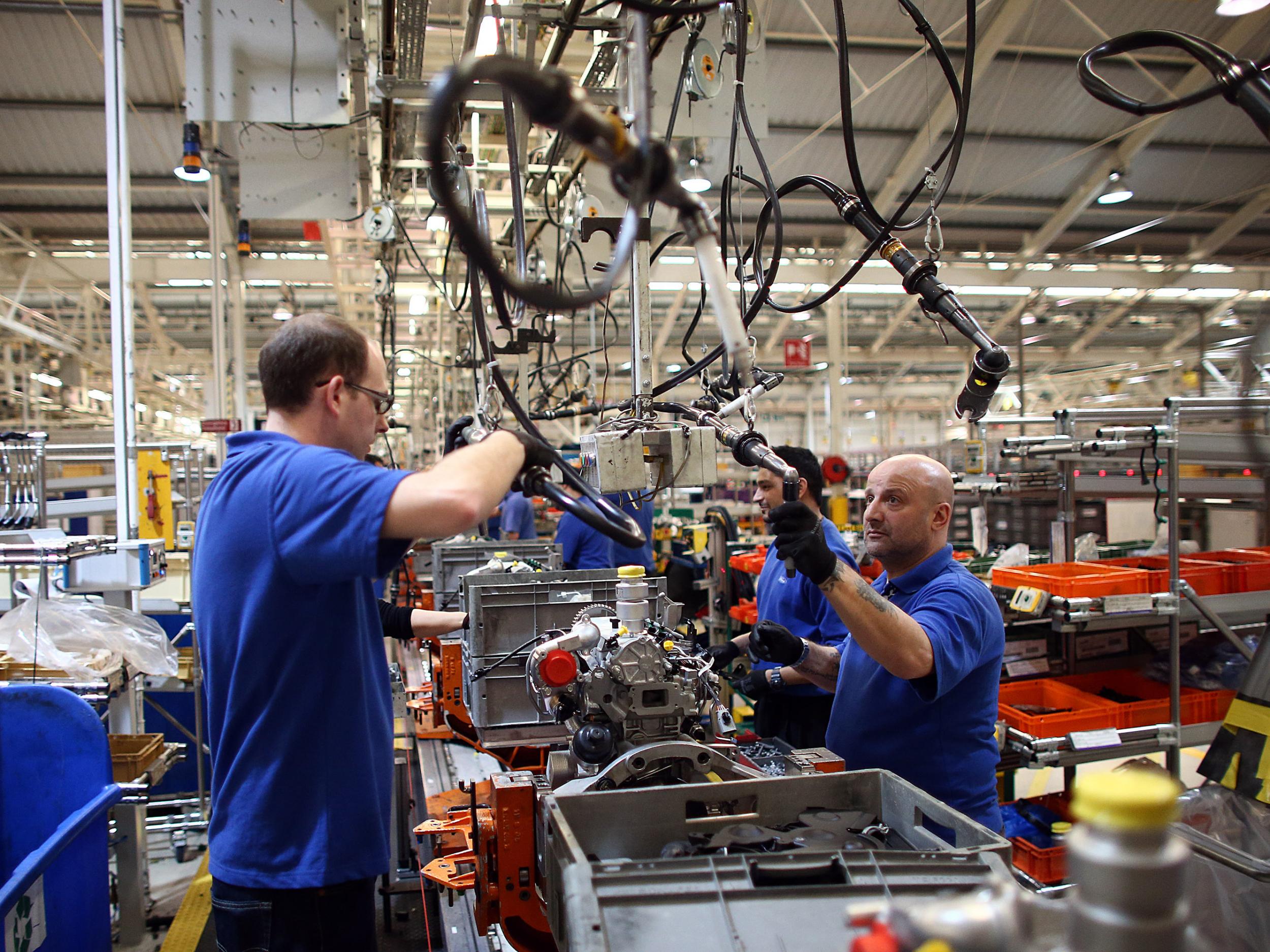
Los informes más recientes de empleo en el mercado laboral estadounidense han mostrado, una vez más, su capacidad para resistir, con un número de puestos de trabajo creados que supera las expectativas. Este aumento en la contratación pone de manifiesto la robustez subyacente de la economía estadounidense, a pesar de las preocupaciones persistentes sobre la inflación, las tasas de interés y la incertidumbre global que siguen influyendo en las previsiones económicas.
According to the most recent data from the U.S. Department of Labor, employers added a significant number of jobs in the latest reporting period, exceeding economists’ predictions by a notable margin. This unexpected increase suggests that businesses remain confident in the economic outlook, maintaining a steady pace of hiring across various sectors.
The unemployment rate, a key indicator of labor market health, held steady or saw only minimal movement, reflecting the continued demand for workers. The robust job growth has been fueled by several factors, including sustained consumer spending, business investment, and gradual recovery in industries hit hardest by previous economic slowdowns.
Before the latest employment data, experts had expected lesser growth in job numbers, especially considering the Federal Reserve’s recent actions to restrict monetary policy with the goal of managing inflation. Generally, increased interest rates tend to decelerate business activities, potentially causing a decline in hiring. Nevertheless, the new employment figures indicate that the U.S. economy is presently adjusting to these policy changes without greatly impacting the job market.
Industries like healthcare, hospitality, technology, and professional services played a significant role in the job growth observed. Notably, the leisure and hospitality sector is bouncing back as the appetite for travel rises and people go back to restaurants, entertainment venues, and other face-to-face activities. At the same time, the need for skilled employees in technology and healthcare indicates continuous structural shifts in the economy, such as the increase in digital services and a growing elderly population.
The robust employment data also affects salary growth. As the job market stays competitive, numerous companies are providing better pay to draw in and keep skilled workers. The rise in average hourly earnings has been steady, but the rate of salary growth differs among various industries and areas. Although this development benefits employees, it can complicate the Federal Reserve’s continuous attempts to manage inflation.
Inflation remains a central concern for policymakers, consumers, and businesses alike. Despite signs that price pressures may be easing in certain areas, overall inflation levels are still higher than the central bank’s target. The persistence of inflation has prompted the Federal Reserve to maintain a cautious approach, signaling that additional interest rate hikes could be implemented if necessary to curb rising prices.
The relationship between employment expansion and rising prices creates a sensitive equilibrium for the Federal Reserve. On one side, ongoing employment and pay raises bolster consumer spending and boost the economy. On the other side, excessive wage pressure might intensify inflation, possibly leading to stricter policies that could eventually slow down the economic activity.
Although these obstacles exist, the robust employment statistics provide reassurance that the U.S. economy continues to stand firm. Consumer sentiment has displayed positive trends, supported by the encouraging labor market updates. Retail sales, housing sector dynamics, and corporate investments also indicate a level of economic strength that few had expected at this point.
Global factors, however, continue to cast a shadow over the domestic outlook. Ongoing geopolitical tensions, including conflicts abroad and supply chain disruptions, could impact economic stability in the months ahead. Additionally, concerns over the potential for a global economic slowdown have led some analysts to urge caution despite the upbeat domestic labor data.
Small businesses, accounting for a significant share of employment in the United States, have been essential in recent job growth. Numerous small and mid-sized companies have responded to post-pandemic hurdles by investing in technology, adopting flexible work setups, and enhancing workforce skills to maintain a competitive edge. Their efforts underscore the varied and vibrant character of the U.S. economy, where both major corporations and smaller enterprises fuel expansion.
The participation rate—the percentage of working-age people either employed or actively looking for work—has also edged higher. This signals that more individuals are re-entering the labor force, whether due to improved job prospects, rising wages, or personal financial needs. An increasing participation rate is generally viewed as a positive sign, indicating a broader base of economic engagement.
Simultaneously, the employment landscape exhibits inconsistencies in various aspects. Some industries and areas still struggle with a lack of workers, whereas others have experienced job cuts and reorganization, particularly in sectors vulnerable to technological changes and evolving consumer preferences. This disparity highlights the intricacies of today’s economic conditions, where expansion and upheaval occur simultaneously.
Looking ahead, the trajectory of the U.S. labor market will depend on several key factors. The path of inflation and corresponding interest rate decisions will play a central role, as will the health of global markets and domestic consumer spending. Additionally, technological advancements, evolving workplace expectations, and demographic changes are likely to shape the future of work in profound ways.
Officials, business executives, and employees are all closely watching the development of these trends. Although the recent job growth is promising, it represents just one aspect of the wider economic landscape. Ongoing attention will be crucial to guarantee that expansion continues to be sustainable, inclusive, and well-balanced over the long haul.
The strength of the U.S. labor force, along with flexible corporate strategies and cautious economic measures, has so far enabled the economy to surpass predictions. As the environment keeps changing, the emphasis will stay on creating circumstances that encourage both steadiness and possibilities in a swiftly transforming world.