

What Foods Can Aid in Reducing Cholesterol Levels?
Understanding the impact of diet on cholesterol levels is crucial for maintaining heart health. Cholesterol, a waxy substance found in blood, is essential for building healthy cells, but excess levels can lead to heart disease. Various foods can help in maintaining optimum cholesterol levels, thereby promoting overall cardiovascular health.
The Role of Soluble Fiber in Cholesterol Management
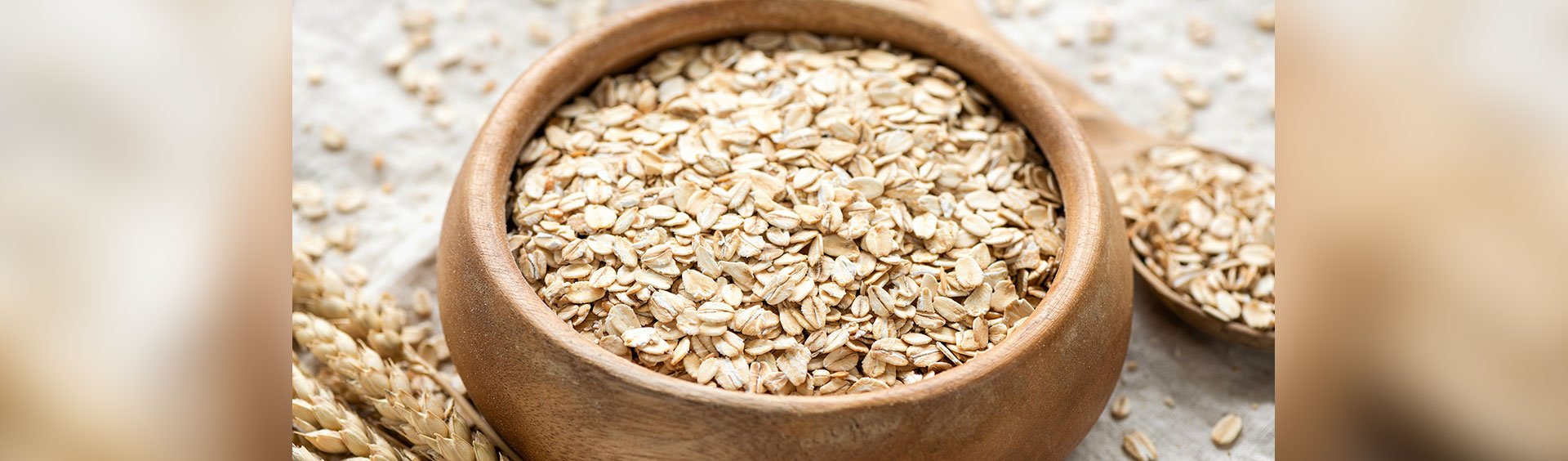
Soluble fiber is a crucial component in the quest to lower cholesterol levels. Found in foods like oats, beans, lentils, apples, and strawberries, soluble fiber can reduce the absorption of cholesterol into the bloodstream. A daily intake of 5 to 10 grams of soluble fiber can help decrease LDL cholesterol, sometimes known as “bad” cholesterol, by up to 10%.
Research consistently indicates that people who include foods rich in fiber in their diet see notable enhancements in their cholesterol levels. For instance, eating one and a half cups of prepared oatmeal offers around 6 grams of fiber, serving as an effective partner in controlling cholesterol.
Healthy Fats: The Unsung Heroes
Not all fats negatively influence cholesterol levels. Foods that are rich in unsaturated fats, like avocados, nuts, seeds, and olive oil, can assist in boosting HDL cholesterol, commonly known as “good” cholesterol. HDL cholesterol aids in eliminating LDL cholesterol from the blood, thus helping to avoid the buildup of plaque in the arteries.
A captivating research regarding Mediterranean eating habits emphasized the beneficial impacts of consuming diets high in olive oil on cholesterol. Individuals who included extra virgin olive oil in their daily meals noted remarkable enhancements in their HDL cholesterol levels, highlighting the advantages of adding healthy fats to one’s nutritional routine.
Fish High in Omega-3 Fatty Acids
Fish such as salmon, mackerel, sardines, and trout are rich in Omega-3 fatty acids, which do not directly lower LDL cholesterol levels. However, they provide substantial benefits by reducing triglycerides, another type of fat in the blood, and preventing irregular heartbeats.
The American Heart Association suggests eating a minimum of two portions of fish every week. This eating habit is linked to lower risks of unexpected cardiac death and heart conditions. A clinical study showed that people who regularly consumed fish saw their cholesterol levels drop by 19% compared to those who did not.
Foods Enhanced with Sterols and Stanols
Sterols and stanols are plant compounds that block cholesterol absorption in the intestines. Many fortified foods, like margarines, orange juice, and yogurt drinks, contain these compounds and can be effective for lowering cholesterol levels.
Research indicates that consuming 2 grams of plant sterols or stanols daily can reduce LDL cholesterol by approximately 10%. These findings make sterol and stanol-enriched foods a potent tool for those aiming to lower cholesterol through dietary changes.
Importance of Lifestyle Adjustments
Besides modifying one’s diet, lifestyle alterations are essential. Consistent physical activity, keeping a healthy weight, and steering clear of tobacco smoke support dietary measures for controlling cholesterol levels efficiently. Participating in a minimum of 150 minutes of moderate physical exercise each week can enhance the body’s capacity to control cholesterol naturally.
Reflecting on these insights, it’s apparent that choosing food wisely and adopting specific lifestyle practices can deeply influence cholesterol levels and overall heart health. Adjusting one’s diet to consist of fiber-rich foods, healthy fats, and Omega-3 enriched options, while harnessing the benefits of sterols and stanols, provides a strong approach to achieving healthy cholesterol levels.