

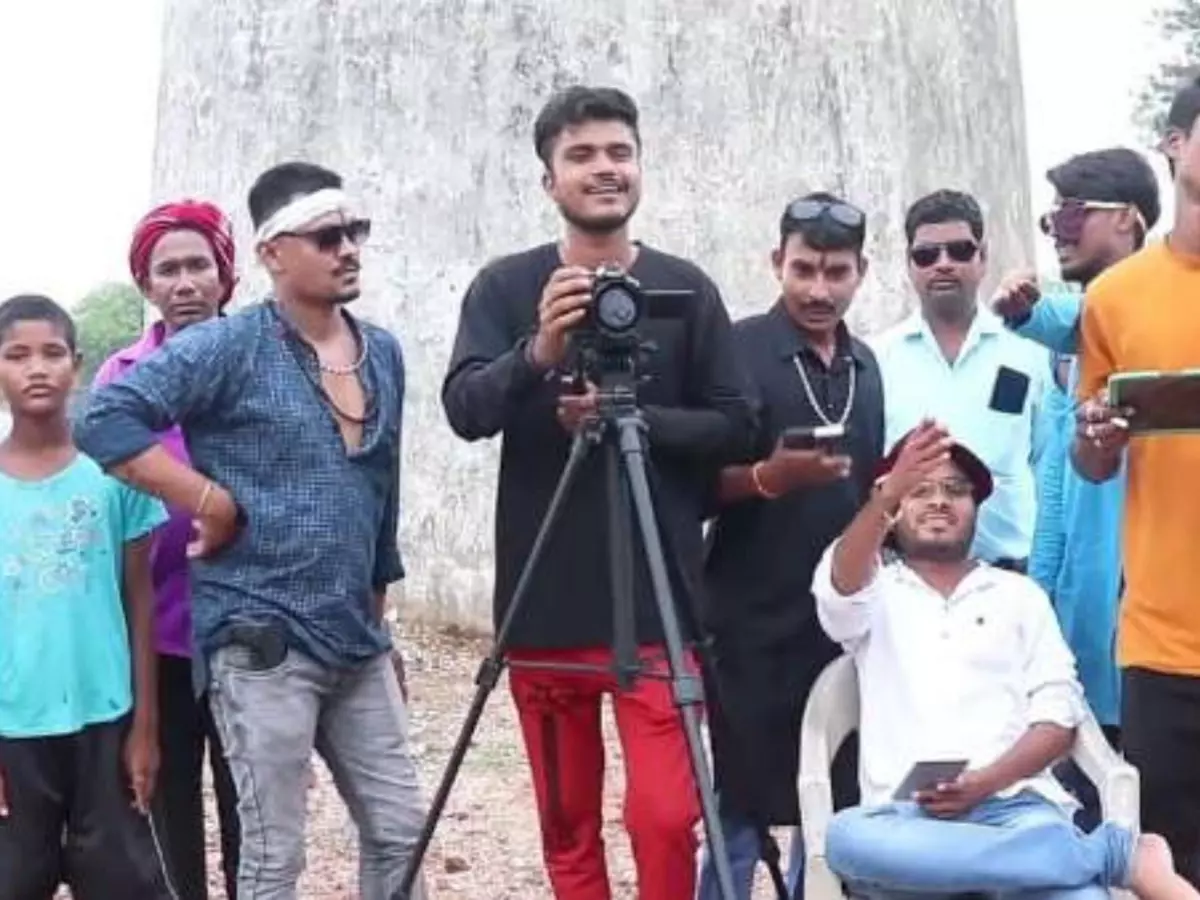
En una tranquila región del centro de India se encuentra Tulsi, un pueblo que se asemeja a muchos otros, con sencillas casas de una planta, árboles banianos que brindan sombra para reuniones, y caminos que apenas están asfaltados. Sin embargo, Tulsi se distingue por un notable reconocimiento; ha sido nombrado como el “Pueblo de YouTube” de India. Lo que hace especial a este rincón rural cerca de Raipur, en el estado de Chhattisgarh, es la asombrosa cantidad de sus residentes—más de 1,000 de los 4,000 habitantes—que participan en la creación de contenido para YouTube.
El pueblo ha experimentado un notable cambio desde 2018, cuando las redes sociales comenzaron a formar parte de su vida cotidiana. Hoy en día, YouTube no es solo una fuente de entretenimiento en Tulsi; es un motor para el crecimiento económico, reformas sociales y la adopción tecnológica. Los habitantes ahora consideran la plataforma como una forma de conectar la vida rural con la urbana, brindando oportunidades que antes eran impensables en esta comunidad agrícola.
El auge de la revolución de YouTube en Tulsi
Tulsi’s path to becoming a hub for content creation began humbly. In 2018, a villager named Jai Varma, along with his friend Gyanendra Shukla, initiated a YouTube channel named Being Chhattisgarhiya
. Feeling discontent with their ordinary everyday lives, the pair looked for a creative way to express themselves. Their third video, a satirical portrayal of a young couple being troubled on Valentine’s Day, rapidly gained popularity. By blending humor with social critique, the video resonated with viewers, amassing tens of thousands of subscribers for the channel within just a few months.
. Unsatisfied with their mundane daily routines, the duo sought a creative outlet to express themselves. Their third video, a satirical take on a young couple being harassed on Valentine’s Day, quickly went viral. Mixing humor with social commentary, the video struck a chord with audiences, earning tens of thousands of followers for the channel in just a few months.
De los campos a los platós
From fields to film sets
Strolling through Tulsi today, it’s hard to find someone who hasn’t played a part in a YouTube production. Farmers pause their work in the fields to participate in videos, while young creators choreograph dance routines or stage skits under the village’s banyan trees. For many, YouTube has become a gateway to new possibilities.
, she got her initial opportunity in their videos. Her skills soon attracted the interest of regional filmmakers, leading to her appearance in seven films. For Sahoo, YouTube acted as a launchpad to the film industry, demonstrating that even in isolated villages, talent can reach broader audiences.
Meanwhile, young individuals like Aditya Bhagel have established careers behind the camera. Motivated by Varma and Shukla, Bhagel started his own YouTube channel while he was still in college and soon attracted a dedicated audience. His achievements secured him a position on the Being Chhattisgarhiya
Meanwhile, young men like Aditya Bhagel have carved out careers behind the camera. Inspired by Varma and Shukla, Bhagel launched his own YouTube channel while still in college and quickly garnered a loyal following. His success earned him a spot on the Being Chhattisgarhiya
team, where he honed his skills as a writer and director. Today, Bhagel is set to work on a big-budget regional film, fulfilling a dream he once thought unattainable.
A significant aspect of Tulsi’s YouTube surge has been its effect on the women in the community. In a society where conventional gender roles frequently restrict women’s opportunities, YouTube has offered a space for empowerment and self-expression.
Draupadi Vaishnu, who once served as the village head, sees the videos made in Tulsi as key in confronting deeply rooted social norms. She frequently features in videos tackling topics like domestic violence and gender inequality. “These videos contribute to breaking cycles of detrimental practices,” Vaishnu states. In one notable role, she played a supportive mother-in-law urging her daughter-in-law to continue her education, delivering a strong message about the significance of empowering women.
Incluso las mujeres que inicialmente participaron en videos como voluntarias ahora gestionan sus propios canales. Rahul Varma, fotógrafo de bodas y YouTuber a tiempo parcial, señala que la plataforma ha abierto oportunidades sin precedentes para las mujeres en Tulsi. “Al principio, nuestras madres y hermanas solo ayudaban. Ahora, son ellas las que están creando contenido,” comenta.
Even women who initially participated in videos as volunteers are now running their own channels. Rahul Varma, a wedding photographer and part-time YouTuber, notes that the platform has opened up unprecedented opportunities for women in Tulsi. “At first, our mothers and sisters were just helping out. Now, they’re the ones creating content,” he says.
For homemaker Ramkali Varma, acting in YouTube videos has become a source of fulfillment. Known for her portrayals of loving mothers, she has become one of the most sought-after actors in the village. “Through my roles, I can advocate for women’s education and success. Acting brings me peace of mind,” she says.
Government support and a state-of-the-art studio
“We aimed to connect rural and urban life by offering technological resources,” Bhure explains. The studio has not only improved the quality of local productions but has also encouraged more villagers to consider content creation as a feasible career path.
Las implicaciones más amplias del éxito de Tulsi
Tulsi’s emergence as a YouTube center illustrates the broader influence of digital platforms on rural areas. By linking creators with international audiences, YouTube has become a significant means for economic and social transformation. For numerous individuals in Tulsi, it has offered a means to transcend traditional restrictions and explore new opportunities.
El profesor Shriram Venkatraman del Instituto Indio de Tecnología señala que plataformas como YouTube han generado una nueva ola de emprendedores rurales. “Algunos incluso inician otros negocios utilizando sus suscriptores como su base inicial de clientes,” comenta, mencionando ejemplos como aldeanos que venden especias caseras o productos para el cuidado del cabello.
Professor Shriram Venkatraman from the Indian Institute of Technology notes that platforms like YouTube have created a new wave of rural entrepreneurs. “Some even start other businesses using their subscribers as their initial customer base,” he says, citing examples like villagers selling homemade spices or hair care products.
Blueprint for Tomorrow
A model for the future
Para jóvenes como Pinky Sahoo, YouTube ha convertido sus sueños de actuar en realidad. Para líderes comunitarios como Draupadi Vaishnu, ha ofrecido una plataforma para promover la igualdad y el cambio social. Y para aldeanos como Ramkali Varma, ha traído un sentido de orgullo y propósito.
For young women like Pinky Sahoo, YouTube has turned dreams of acting into reality. For community leaders like Draupadi Vaishnu, it has provided a platform to promote equality and social change. And for villagers like Ramkali Varma, it has brought a sense of pride and purpose.
Tulsi’s story is a reminder that technology, when embraced thoughtfully, can empower even the most remote communities. By leveraging the global reach of platforms like YouTube, villages like Tulsi are not just participating in the digital age—they are shaping it.