

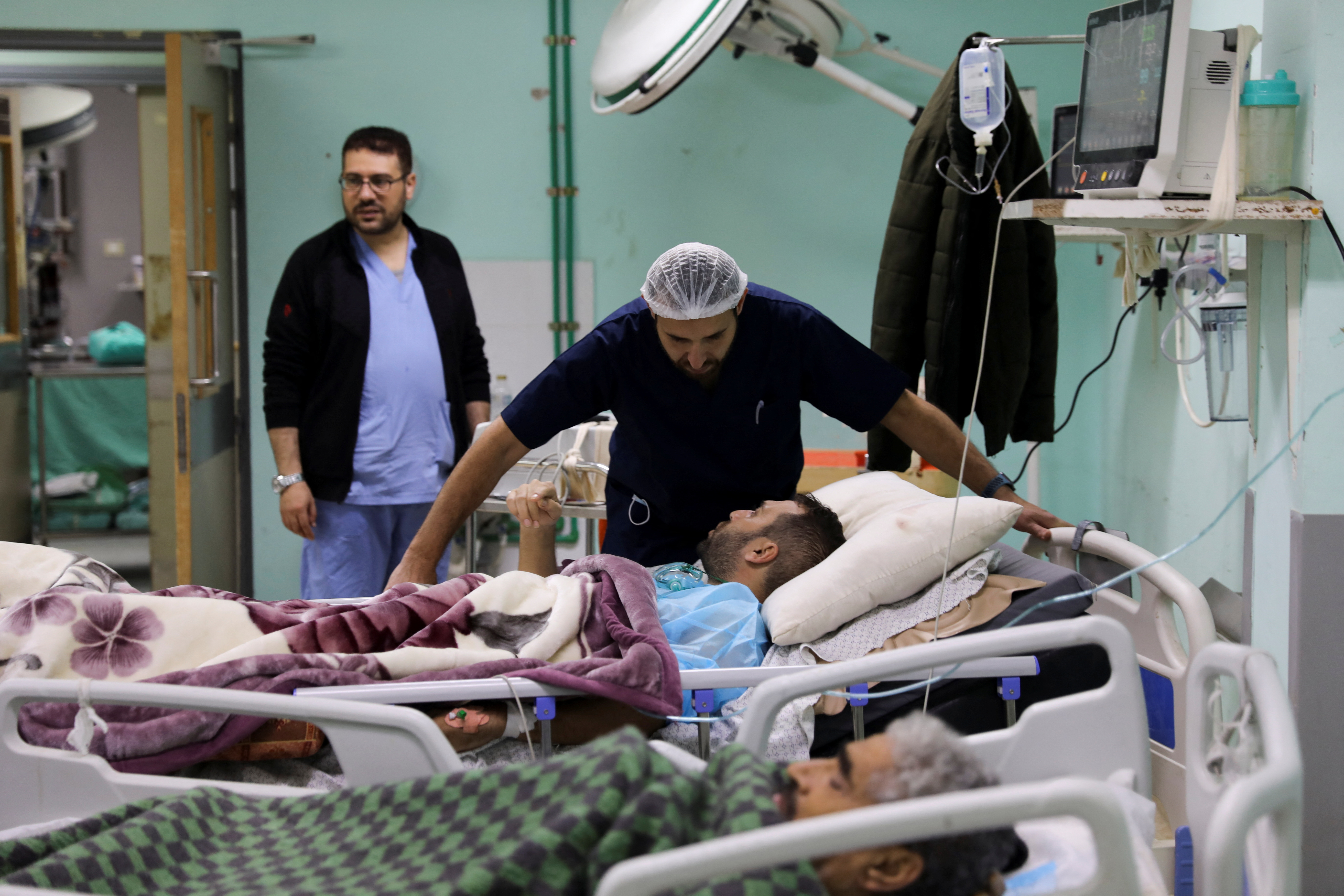
In Gaza, the continuous humanitarian crisis has brought healthcare workers to the brink, both physically and emotionally. Medical facilities throughout the area, already stretched thin due to limited resources and personnel, are now overwhelmed with individuals experiencing acute malnutrition. Physicians, many battling their own hunger and fatigue, keep working extended hours under intensifying hardships, with a number even fainting from tiredness while on duty.
The circumstances have led to a scenario where healthcare staff are struggling to take care of themselves, not to mention assisting others. “It is the feeble assisting the feeble,” expressed a nearby healthcare professional, encapsulating the critical situation. The health infrastructure, which was vulnerable even before the conflict escalated, is now on the verge of breaking down. The shortage of food, the absence of electrical power, and diminishing medical resources are exacerbating the difficulties encountered by medical practitioners and nurses who continue to work on the front lines.
Since the escalation of conflict in Gaza, hospitals have been inundated with patients. Many are children and elderly individuals showing signs of advanced malnutrition, including extreme weight loss, muscle wasting, and cognitive impairment. Health workers report that even basic interventions like intravenous fluids or routine check-ups are becoming impossible due to resource constraints.
Adding to the pressure is the continued bombardment and infrastructure damage, which have rendered numerous hospitals inoperable. Power outages are now common, limiting the use of critical equipment like incubators, ventilators, and X-ray machines. Backup generators, once a lifeline, are often silent due to fuel shortages. Without proper refrigeration, even life-saving medicines like insulin or antibiotics spoil quickly.
In the midst of this crisis, doctors are skipping meals, ignoring their own ailments, and working through physical pain just to keep up with patient needs. Many sleep only a few hours a day, often on the hospital floor. “There are moments when I feel I can’t go on,” one exhausted physician admitted. “But then I see the eyes of a child in need, and I keep going.”
There have been accounts regarding healthcare workers losing consciousness during operations or falling over while caring for patients. These cases are widespread. The mental impact is just as intense. Observing constant pain and death without the means to act efficiently has caused significant psychological pressure, resulting in signs of PTSD, anxiety, and depression among personnel.
International organizations have voiced alarm over the deteriorating conditions but have struggled to deliver effective assistance. Restrictions on border crossings, the blockade, and ongoing security risks have made it nearly impossible to transport essential supplies into Gaza. Aid convoys are frequently delayed, and when they do get through, the contents are often insufficient to meet the overwhelming demand.
Efforts to establish humanitarian corridors have been slow to materialize, and ceasefires are fragile and short-lived. Some aid groups have reported that the bureaucratic hurdles and unstable security situation prevent them from deploying teams or shipping in equipment.
Children are among the most severely affected. Malnutrition during early childhood has long-term consequences, including stunted growth, weakened immune systems, and impaired cognitive development. UNICEF and other agencies have warned that unless food and medical aid increase dramatically and immediately, the region could see a generation of children permanently impacted by hunger.
Educational institutions that previously acted as centers for the community and secure spaces are currently temporary refuges or, increasingly, piles of debris. With schooling interrupted and trauma prevalent, numerous children are confronted with prospects marked by adversity and deprivation.
Health authorities and humanitarian groups are calling for urgent international action to deliver life-saving supplies and establish safe zones for patients and medical workers. “This is not just a health emergency; it’s a collapse of humanity,” one spokesperson noted. They urge the international community to put politics aside and respond with coordinated relief efforts that can reach those in need swiftly.
Medical staff in Gaza, while still performing miracles with the little they have, continue to plead for help. The resilience they show daily stands in stark contrast to the global inaction that surrounds them. Every hour counts, and without immediate assistance, the death toll could rise not only due to bombs and bullets, but also from the silent killer of hunger.
At its core, the crisis in Gaza is a human story—of doctors working through despair, of children fighting to survive without nourishment, and of a healthcare system doing its best to function while disintegrating. Addressing this tragedy requires more than temporary fixes. It calls for a sustained commitment to rebuilding infrastructure, restoring supply chains, and ensuring access to basic healthcare for all.
Until that moment, those present will persist in their relentless work—healing, offering solace, and rescuing lives—frequently lacking sufficient nourishment, medication, or sleep. Their bravery is indisputable, yet the responsibility should not rest solely on their shoulders.