
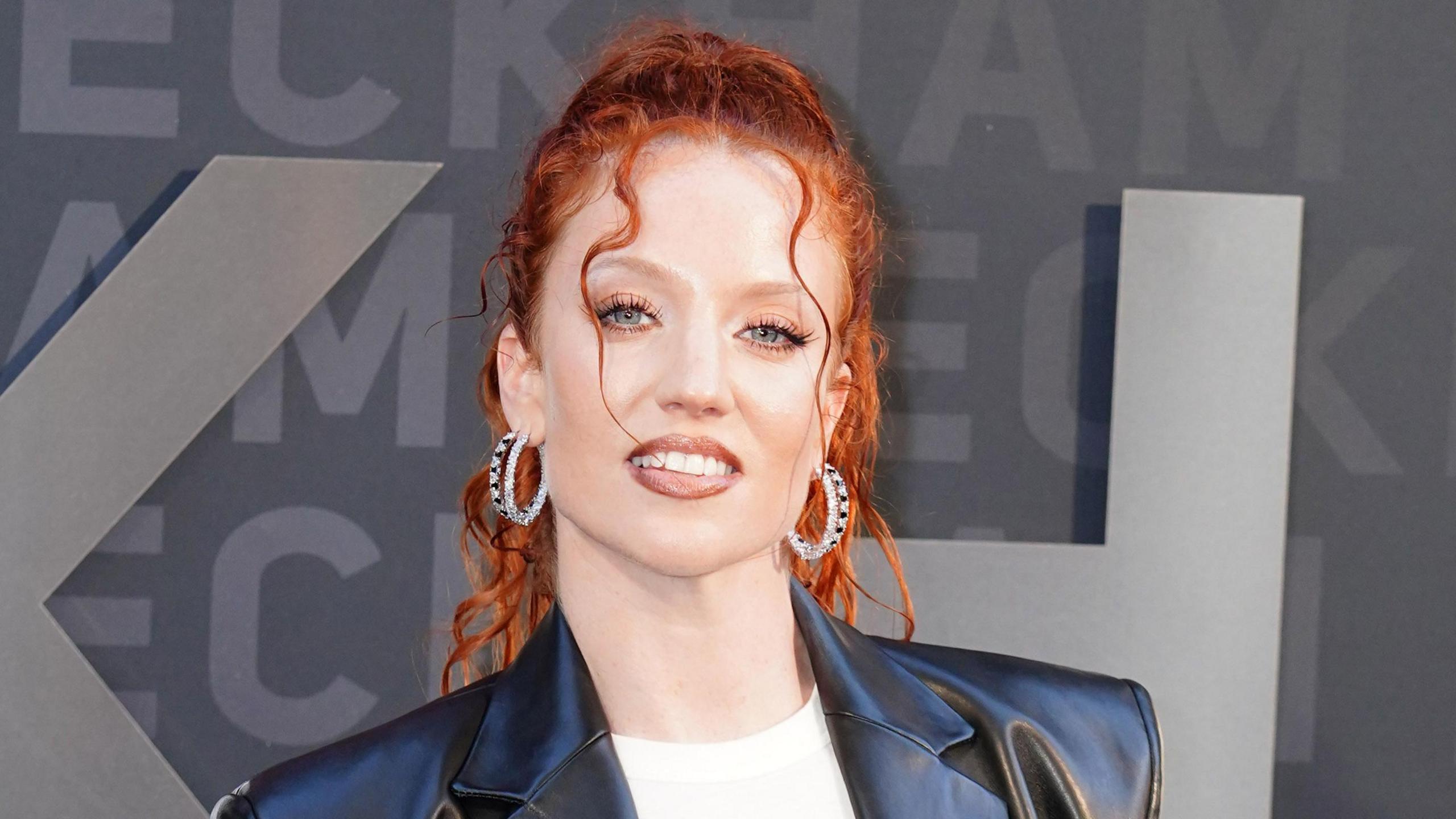
Singer-songwriter Jess Glynne has publicly expressed her disapproval after one of her songs was used in a video reportedly showing a deportation at the White House. The footage featured Jet2’s version of one of her hit tracks, prompting Glynne to label the clip as “sick” in a reaction that underlines growing concern among artists over how their work is repurposed in political or controversial contexts.
The video, which circulated widely across social media platforms, shows a government-contracted deportation process, soundtracked by the Jet2 airline version of Glynne’s popular song. The cheerful tone of the music contrasts sharply with the gravity of the situation depicted, leading to backlash not only from Glynne but from others who saw the pairing as inappropriate.
In her statement, Glynne clarified that she was unaware of the song being featured in the video and had not granted any authorization. She criticized the disparity between the video’s subject matter and the cheerful rhythm of the music, expressing that the inclusion of the track in this manner was highly concerning. Her response highlights a wider discussion regarding permission and creative autonomy in the era of viral trends and media governed by algorithms.
Glynne’s critique taps into ongoing concerns about how creative works can be co-opted by government entities or private organizations without the creators’ input. While Jet2’s use of her music in commercial settings such as in-flight entertainment or promotional material may be legally permissible under licensing agreements, its appearance in a politically charged context—especially one involving immigration enforcement—raises ethical and reputational questions.
This situation is not isolated. Artists across various genres have increasingly spoken out when their music is used in campaigns, protests, or other public settings with which they fundamentally disagree. For many, it’s not just about intellectual property, but about preserving the spirit and message of their work. In Glynne’s case, her reaction signals a deep discomfort with what she perceives as a misuse of her creative voice.
The incongruity between an upbeat song and the grim truth of forced displacements contributed to the unsettling impact the video had on viewers. Music, alongside imagery, can acquire different significance. When these interpretations occur without the artist’s participation, it frequently results in negative reactions. Glynne is not the only one experiencing that her creation was presented misleadingly or opposed to her personal principles.
The dialogue also highlights an increasing recognition of the ways music is utilized in formal activities or by governmental bodies. In the past few years, there have been accounts of officials employing popular music tracks to deter witnesses from recording police operations or to activate copyright mechanisms on digital platforms. These strategies have ignited discussions about whether music is subtly yet effectively being used as a tool to shape public opinions or restrict openness.
Following the uproar, both Jet2 and the group behind the deportation footage have not provided an official comment. It is still uncertain if the song was authorized for such use or if it was merely coincidental. Despite this, the situation has once again brought attention to the intricate legal and ethical issues that artists face when their creations are widely licensed or accessible on digital platforms.
Comments by Glynne arise as the entertainment sector faces challenges due to the extensive distribution of content, the culture of remixing, and the unclear distinction between support and appropriation. Although licensing deals usually offer comprehensive permissions to utilize music in different environments, they seldom consider the complexities of political sensitivity or the individual opinions of an artist.
Legal specialists mention that unless an artist explicitly limits particular kinds of utilization in their licensing agreements—which is frequently challenging to enforce or discuss—they might have minimal options once the music is circulated. This results in a gap between legal entitlements and ethical accountability, which many within the creative sector are currently striving to tackle through advocacy and revised contract structures.
The general public has shown a range of responses to the video. Some perceive the inclusion of the song as inappropriate and offensive, whereas others believe that music is typically chosen for its capacity to evoke emotions, irrespective of the context. Nonetheless, many artists and rights supporters commonly agree that creators should possess greater control over the usage of their creations—particularly when they are linked to controversial or distressing actual events.
For Jess Glynne, the incident serves as an uncomfortable reminder of how quickly a song, once released into the world, can become detached from its original meaning. Her strong disapproval sends a message to others in the industry to be vigilant about how their work is licensed and used, and to demand more transparency and accountability from both corporate partners and public institutions.
In a fast-paced media landscape where content is frequently shared without context, artists encounter the difficulty of preserving control over their expression. Glynne’s response is not solely about one particular video—it represents a broader ambition among creatives to safeguard their work’s authenticity and guarantee it matches their individual and professional principles.
While the long-term impact of this particular case remains to be seen, it adds to a growing list of examples where musicians have pushed back against the politicization or misappropriation of their art. As debates around digital rights, licensing ethics, and artistic consent continue to evolve, cases like this will likely play a role in shaping future conversations about ownership, responsibility, and the cultural power of music.