

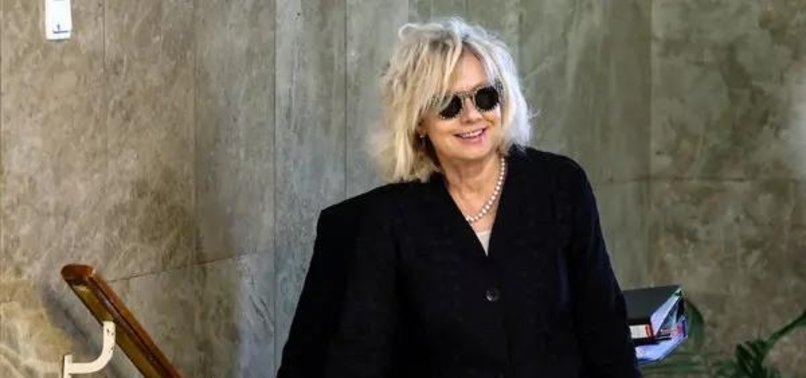
In a decision that has generated notable political and legal debate, Israel’s government has decided to dismiss the nation’s attorney general, further escalating an already tense relationship between the executive and the judiciary. This removal, occurring after months of tension regarding judicial authority and government changes, has triggered renewed worry among legal scholars, political opponents, and global analysts.
The decision, approved by members of Prime Minister Benjamin Netanyahu’s coalition, marks a critical moment in Israel’s ongoing constitutional conflict. Critics argue that the removal undermines the independence of the legal system and reflects an attempt by the government to weaken institutional checks on executive power. Supporters, however, contend that the attorney general had overstepped her role and interfered excessively in political processes.
As the country navigates this political turning point, questions loom over the implications for democratic governance, judicial integrity, and the rule of law in one of the region’s most politically active democracies.
The chief legal officer, assigned in an earlier administration, has consistently voiced opposition to multiple legal and constitutional proposals introduced by Netanyahu’s government, especially those intended to modify the judiciary. One of the most debated suggestions involved a strategy to reduce the Supreme Court of Israel’s power and restrict judicial review of decisions made by the executive branch.
Throughout the last year, the attorney general released multiple legal opinions questioning the government’s attempts to enact legislation that, according to critics, could weaken democratic protections. She additionally highlighted worries about possible conflicts of interest among members of the ruling coalition, including Netanyahu, who has been under scrutiny in several cases related to corruption.
Government representatives who backed the removal claimed that the attorney general let her personal or political preferences influence her legal decisions, which in turn, hindered the legislative plans of the administration. They described the action as essential to reestablish “equilibrium” between the government branches, ensuring that elected officials are able to lead without the interference of the judiciary.
Legal experts and judicial figures have described the dismissal as a serious blow to the independence of Israel’s legal institutions. The attorney general plays a central role in upholding the rule of law in Israel, advising the government on legal matters, representing the state in court, and, crucially, determining whether legal proceedings can move forward against public officials.
Taking an attorney general out of office during their term is uncommon and typically happens only in extraordinary situations. Opponents argue that in this instance, the move seems driven by political motives and could establish a harmful precedent where legal authorities face consequences for maintaining autonomy or providing unwelcome legal judgments.
Earlier members of the Supreme Court and experts in law have cautioned that this situation might undermine the public’s confidence in the judicial system, especially if upcoming legal rulings are seen as swayed by political allegiance instead of legal validity.
The government’s decision has ignited fresh protests across the country, with demonstrators gathering in major cities to express opposition to what many see as a slide toward authoritarianism. Chanting slogans defending judicial independence and waving Israeli flags, protestors have called for the reinstatement of the dismissed attorney general and the reversal of judicial reforms perceived as politicizing the courts.
Líderes de la oposición en la Knesset han prometido cuestionar el despido por medio de canales tanto legales como parlamentarios. Algunos han solicitado audiencias de supervisión urgentes, mientras que otros están considerando presentar peticiones ante el Tribunal Supremo para evaluar la legalidad de la votación que resultó en la destitución del fiscal general.
International responses have also begun to emerge. Several human rights organizations and foreign diplomats have expressed concern over the implications for legal accountability and democratic checks and balances in Israel. While many foreign governments have not issued formal statements, behind-the-scenes diplomatic conversations are reportedly ongoing.
The dismissal of the attorney general has become the newest focal point in the wider discussion concerning the breadth and framework of Israel’s judicial system. Netanyahu’s administration has pushed for extensive reforms that would allow the Knesset more power to overturn Supreme Court rulings, diminish judicial oversight on laws, and enhance political influence in the selection of judges.
Advocates for these changes believe that the existing system lets judges who are not elected wield too much power over the country’s policies, and they argue that changes are necessary to reestablish democratic responsibility. Opponents, on the other hand, consider the plans as efforts to weaken judicial protections and concentrate authority within the executive branch.
The dismissal of the attorney general might hold strategic importance as well. As the chief legal advisor in Israel, the attorney general possesses the authority to authorize or halt criminal actions against current officials. With Netanyahu embroiled in several ongoing legal matters, critics suggest that her ousting could pave the way for legal outcomes that are more advantageous to the prime minister and his associates.
While the government maintains that it followed proper procedures in dismissing the attorney general, legal analysts suggest the matter is far from settled. Challenges to the legality of the dismissal are already being prepared, with some lawyers arguing that the attorney general cannot be removed for political reasons without violating the principles of judicial independence and due process.
If Israel’s Supreme Court agrees to hear these cases, it could once again find itself at the center of a political storm, deciding whether the executive branch acted within its legal authority or breached constitutional norms. Such a ruling would be a defining moment for the court, testing its ability to assert independence under immense political pressure.
The legal dispute regarding the dismissal of the attorney general might shape the future of Israel’s judicial system, especially affecting the relationship between political authority and legal supervision, depending on the results.
The Israeli government is expected to appoint a new attorney general in the coming weeks, though the selection process itself is likely to be controversial. Legal groups and opposition parties have already signaled their intent to scrutinize any nominee for signs of partisanship or conflict of interest.
During this period, deputy legal advisors at the Ministry of Justice might take charge of everyday operations; however, crucial decisions might be postponed until a long-term successor is appointed.
Meanwhile, civil society organizations are gearing up for what they see as a critical period in the defense of democratic institutions. Many are planning to expand legal aid, advocacy, and public awareness campaigns aimed at safeguarding judicial independence.
El despido del fiscal general de Israel ha intensificado un conflicto creciente entre el liderazgo ejecutivo del país y su sistema judicial. A medida que se desarrollan las implicaciones legales y políticas, este episodio se convierte en una prueba crucial para la resistencia del marco democrático de Israel.
Whether seen as a crucial political adjustment or a concerning decline of legal standards, the decision has highlighted Israel’s dedication to the rule of law on the international stage—and its consequences might influence its democratic path for the future.