

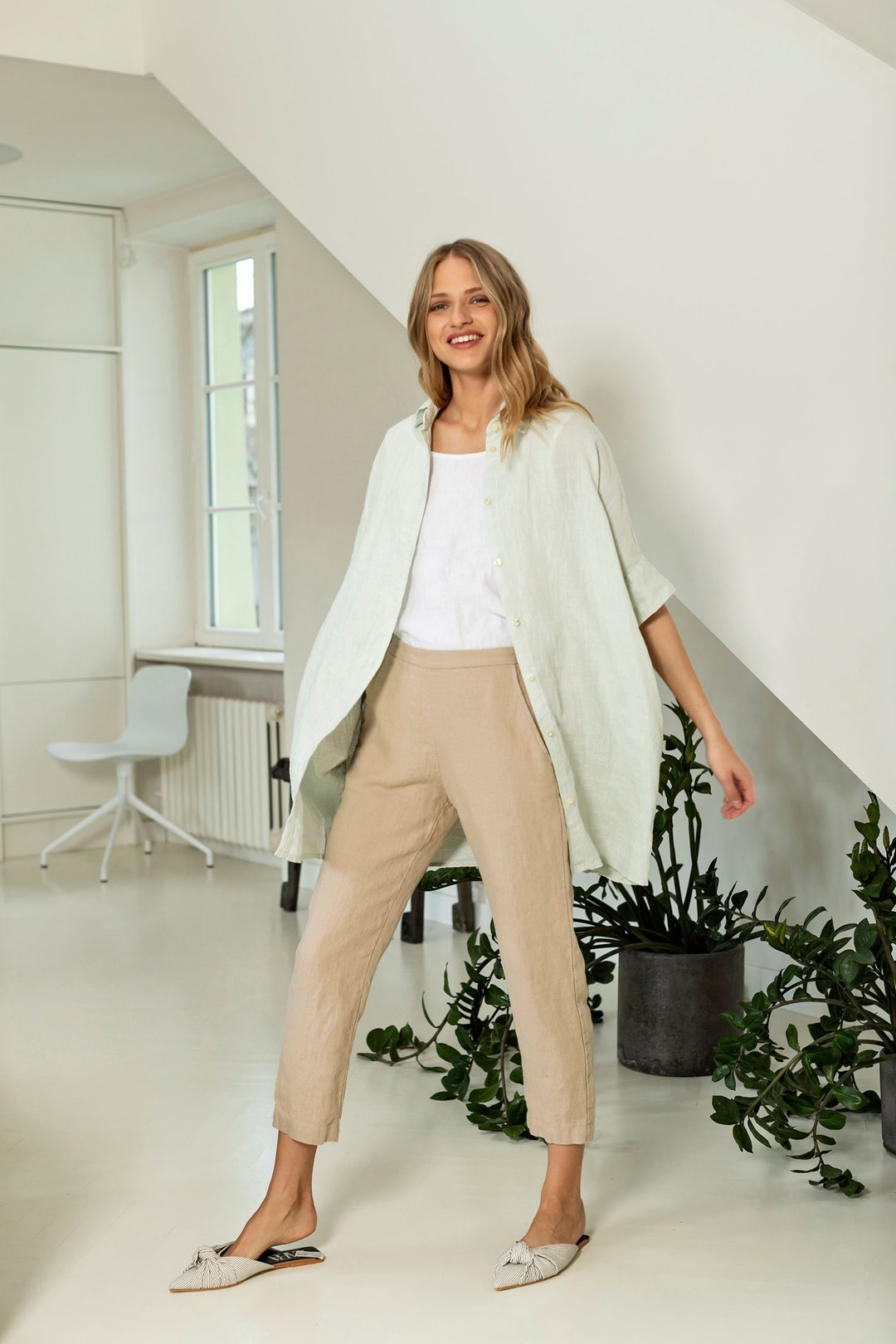
Exploring Minimalist Fashion: An In-Depth Handbook
Minimalist fashion is a style genre that emphasizes simplicity and the art of less. Characterized by its clean lines, neutral color palettes, and effective use of the essential, minimalist fashion often serves as a canvas for individuality and self-expression without overwhelming with excess. In this article, we dive deep into the principles, evolution, and cultural significance of minimalist fashion, offering examples and insights that highlight its timeless appeal.
Principles of Minimalist Fashion
Minimalist fashion is centered around core values like simplicity, practicality, and choosing quality instead of quantity. Simplicity means focusing on essentials and removing superfluous details. This could involve getting rid of extra buttons and zippers or selecting outfits with a single color. Practicality makes sure every item serves a purpose, creating versatile clothing that is easy to combine. Finally, quality over quantity highlights the significance of investing in fewer, superior pieces that provide lasting and classic style, rather than following fleeting fashion trends.
The Development of Simplicity in Fashion
The roots of minimalist fashion can be traced back to the early 20th century, where designers began challenging the highly decorative styles of the previous eras. Designers like Coco Chanel introduced streamlined silhouettes that prioritized comfort and practicality, setting the foundation for modern minimalist styles. The movement gained momentum in the 1960s and 1970s, further popularized by designers such as Calvin Klein and later, Phoebe Philo of Céline in the 2010s. Each period saw minimalist fashion adapting to cultural shifts, yet always maintaining its core ethos of simplicity.
Importance of Culture
Texto: The concept of minimalist fashion goes beyond visual appeal; it’s a way of life that often mirrors larger societal trends. Minimalism supports sustainability, addressing fast fashion’s adverse effects by encouraging investment in classic, long-lasting styles. It resonates with the growing consumer interest in leading more purposeful, streamlined lives. From a cultural perspective, this fashion trend responds to materialistic abundance, motivating people to reflect on their consumption habits and the narratives linked to their wardrobe selections.
Research Papers: Symbols of Simple Design
Several style icons have personified minimalist attire, providing inspiration to many admirers globally. Steve Jobs serves as a prime illustration with his signature ensemble of black turtlenecks and jeans, demonstrating how simplicity can turn into a signature style. In the same vein, stars like Victoria Beckham are linked with minimalist sophistication, frequently spotted in monochromatic attire that highlights her sharp taste for well-fitted garments and timeless designs.
Modern creators like Jil Sander and The Row have advanced the limits of minimalist style, crafting collections that highlight the elegance of precise tailoring and fabrics. These fashion innovators demonstrate that minimalist attire embodies more than just simplicity, highlighting the art of careful workmanship.
Practical Application
Adopting a minimalist wardrobe doesn’t require an overhaul of your entire closet. Start by identifying versatile pieces that form the foundation of your daily attire. A crisp white shirt, a tailored blazer, or a pair of well-fitting jeans can serve as building blocks for countless outfits. When shopping, look for clothing that offers timeless silhouettes and neutral colors, ensuring longevity and adaptability across seasons and trends.
Designing Your Simple Autograph
The core of minimalist fashion is about achieving personal expression by keeping things simple. In a society that frequently celebrates abundance, minimalist fashion provides an alternative where beauty is found in subtle moderation. Adopting this style can change your perspective not only on clothing but on life as a whole, encouraging a greater appreciation for the fundamental aspects that are genuinely important. By prioritizing quality, intention, and sustainability, one can develop a wardrobe that is as thoughtful and expressive as an expertly curated art collection.