
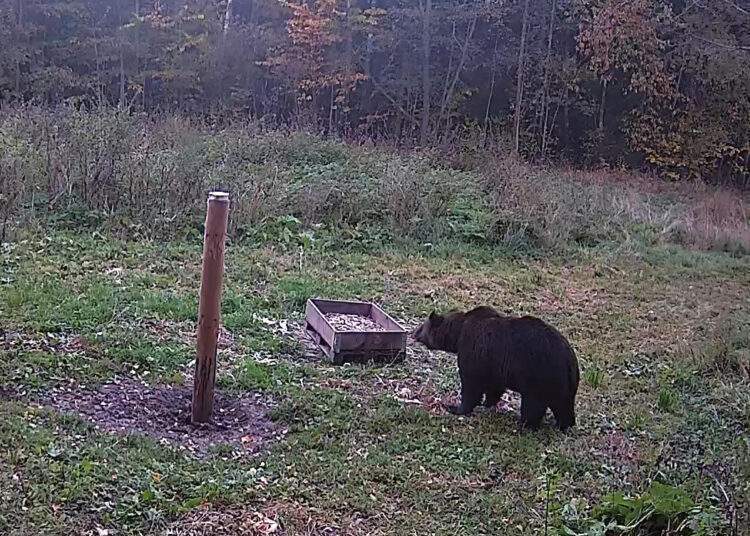
In an unexpected twist, a number of hunters in Lithuania have refused a governmental appeal to remove a wild bear that wandered into the capital, Vilnius. This choice has ignited a major debate about wildlife management, public safety, and the ethical issues related to human interaction with city wildlife.
The presence of a bear seen wandering through the city has sparked worries both among locals and authorities. As this creature made its way into populated zones, officials felt compelled to intervene to avert possible clashes. The initiative to capture the bear was intended to protect people, especially in areas with high population density, where meetings with wild animals can result in hazardous circumstances.
Nonetheless, the hunters’ decision to ignore the request from the authorities underscores an increasing recognition of the intricate challenges in managing wildlife. Several hunters contend that killing the bear is not a practical solution and that other strategies need to be considered. This viewpoint highlights a change in perceptions regarding wildlife preservation and emphasizes the need to identify compassionate ways to address these issues.
The choice not to pursue the bear prompts inquiries concerning the duties of government leaders and the hunting sector. Supporters of conservation highlight the necessity for strategies that enable humans and wildlife to coexist peacefully without resorting to deadly actions. This method can include public awareness campaigns on living harmoniously with wildlife, putting in place precautionary tactics, and looking into relocation solutions for animals that enter city environments.
Furthermore, the situation in Vilnius is not unique. Cities around the world are increasingly facing challenges related to wildlife encroachment. As urban areas expand and natural habitats diminish, encounters between humans and wildlife are becoming more frequent. This trend necessitates proactive and thoughtful approaches to wildlife management, emphasizing the need for collaboration between government authorities, conservationists, and local communities.
Local authorities are examining multiple strategies in reaction to the bear’s appearance. These strategies might involve tracking the animal’s activities, establishing secure areas, and collaborating with wildlife specialists to determine the ideal approach. It’s crucial for officials to weigh the lasting consequences of their actions, guaranteeing that they synchronize with conservation objectives while handling public safety issues.
The decision of hunters not to comply with the authorities’ appeal also highlights the significance of hunting in today’s world. Once primarily viewed as a method for controlling animal numbers, hunting activities are now being reconsidered considering evolving social principles and an enhanced focus on preservation. The hunters’ perspective demonstrates a heightened awareness that maintaining wildlife in a sustainable and responsible manner demands more than merely reducing animal quantities.
As this situation unfolds, it highlights the intricacies involved in overseeing wildlife in city environments. The equilibrium between human security and the well-being of animals is fragile, and identifying effective solutions will necessitate collaboration and discussion among all parties concerned. The bear in Vilnius has emerged as a representation of the wider issues encountered in urban wildlife management, initiating crucial discussions about living together peacefully and preservation.
In summary, the decision by Lithuanian hunters to ignore the authorities’ appeal to cull a wild bear in Vilnius highlights the complex challenges of managing wildlife in cities. As urban areas expand and natural habitats decline, finding new and compassionate strategies becomes more pressing. This issue not only illustrates the difficulties in maintaining public security but also stresses the need to build a coexistence framework that honors both human and animal requirements. As talks proceed, the resolution will probably impact future wildlife management strategies in Lithuania and elsewhere.