
Energy prices are extremely sensitive to geopolitical events. As the world becomes increasingly interconnected, conflicts between nations or within regions can cause ripple effects throughout global energy markets. This dynamic is rooted in both physical supply and psychological expectations, making prices volatile even in the absence of actual disruptions.
Fundamental Mechanisms of Influence
Geopolitical conflicts generally impact energy prices through two main channels: physical supply disruptions and market sentiment. Physical disruptions occur when conflict prevents the extraction, transportation, or export of energy commodities such as oil, natural gas, or coal. Even when direct supply is not affected, tensions can drive uncertainty, leading to speculative trading and risk premiums.
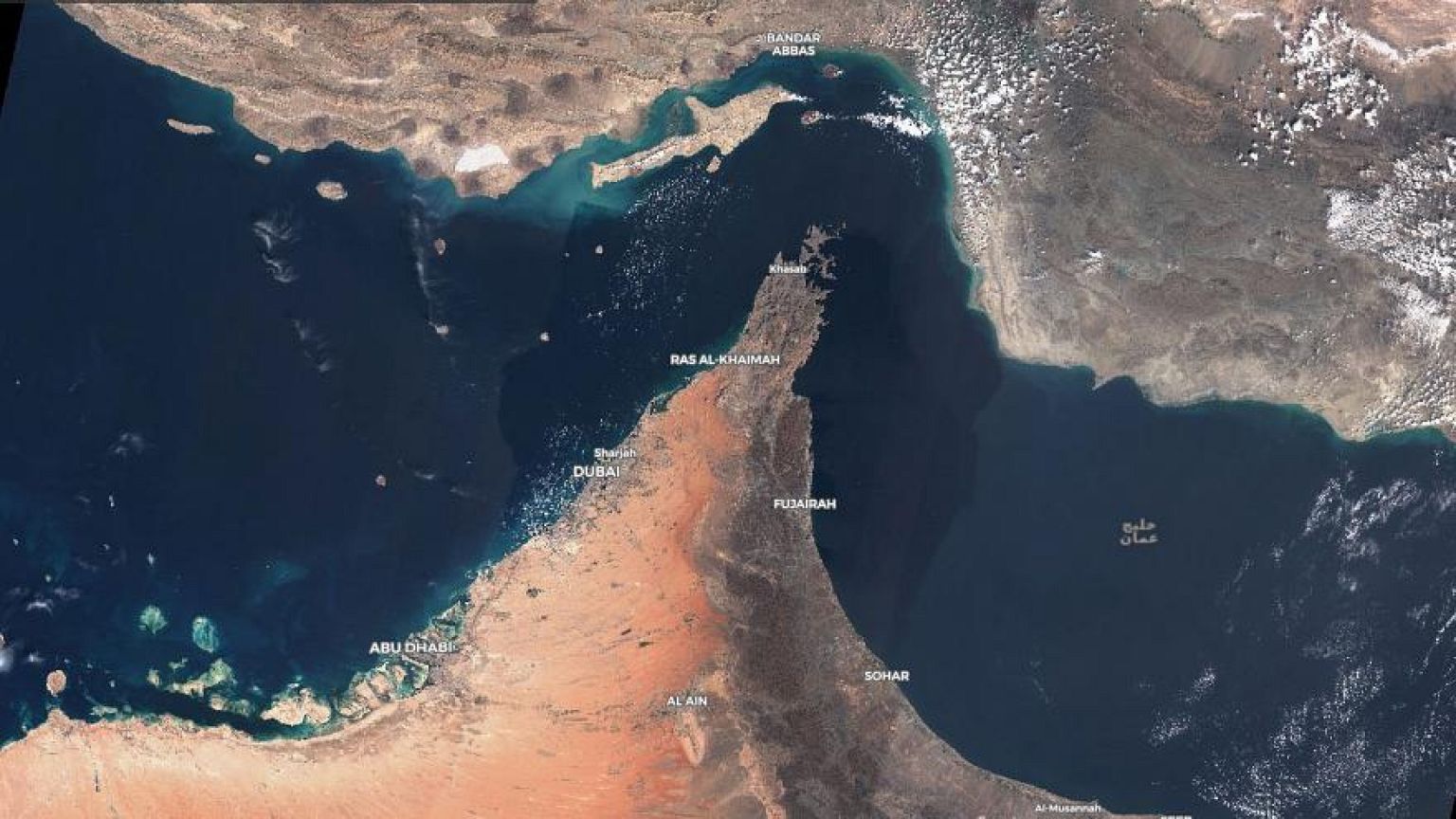
For instance, the Strait of Hormuz—a narrow maritime passage in the Persian Gulf—handles almost a fifth of the world’s petroleum. When tensions escalate in this region, as during the U.S.-Iran standoff in 2019, traders anticipate possible blockades or attacks on tankers. Prices respond instantly, even though most of the oil continues to flow.
Examples from History
The 1973 Oil Embargo: In October 1973, several Arab nations imposed an oil embargo on countries supporting Israel. As a consequence, oil prices surged to four times their previous levels in just a few months. Western economies experienced inflation, fuel shortages, and economic downturns. This event highlighted how dominance over energy-rich areas could disturb markets far from the immediate region.
Conflict in Ukraine (2014 & 2022): Russia plays a crucial role as a major supplier of natural gas to Europe. Throughout both 2014 and 2022, military clashes in Ukraine and escalating tensions led Russia to either cut down or threaten to cut down its gas exports. This caused European countries to face a steep rise in natural gas prices, pushing them to seek alternative suppliers and strengthen their LNG (liquefied natural gas) infrastructure. The escalating conflict in 2022, after Russia’s invasion, exacerbated a global energy crisis, driving oil and gas prices to peak levels not seen in years, affecting economies reliant on imported energy sources.
The Gulf War (1990-1991): Iraq’s invasion of Kuwait injected volatility into the oil market. Although the physical disruption lasted only a few months due to the U.S.-led military intervention, the uncertainty caused prices to jump from about $15 per barrel to over $35. Strategic reserves were released, and OPEC adjusted production, illustrating the coordinated international response often necessary in such crises.
The Impact of OPEC and Changes in Energy Markets
Additionally, producers beyond OPEC, such as the United States and Russia, modify their strategies in reaction to geopolitical shifts. For example, when turmoil arises in the Middle East, U.S. shale firms boost their production to capitalize on higher prices, even if this generally takes several months to materialize.
Effects on Psychology and Speculation
Energy markets respond not just to real-time supply and demand, but also to the expectations of upcoming events. Traders, using sophisticated financial tools like futures and options, have the potential to exaggerate price fluctuations when affected by geopolitical news. These speculative actions can, for a short period, detach prices from tangible fundamentals, leading to increased volatility.
Consider the case of the drone attacks on the Saudi Aramco facilities in September 2019. The physical damage immediately reduced Saudi oil production by half, however, the psychological impact resulted in a rapid 15% increase in worldwide oil prices, representing the largest one-day percentage jump in several years. The situation was resolved within a few weeks, yet investors remained wary of possible disruptions in the future.
Financial and Societal Impacts
Increasing energy costs stemming from geopolitical tensions impact economies in varied ways, depending on whether they are net importers or exporters. For nations that rely on importing energy, like Japan and numerous European countries, elevated energy prices cut into disposable income, boost costs of production, and put pressure on trade balances. This scenario frequently results in inflation, tighter policies, and possible socio-political disturbances, as observed during the French gilets jaunes protests linked to the surge in fuel taxes.
Conversely, producing nations may benefit from windfall revenues, although these gains can be offset by instability or sanctions limiting their ability to trade freely. The energy price shocks caused by conflict often prompt governments to reevaluate their strategic reserves, diversify import sources, or accelerate the transition to renewables.
Prospects Ahead and Adjustment Plans
The continuous presence of geopolitical threats indicates that energy markets are unlikely to reach full stability in the near future. Countries with significant reliance on energy are pursuing diversification, focusing on both suppliers and energy types, to decrease their susceptibility. Initiatives supporting local output, strategic reserves, and the growth of renewable sources are direct results of past challenges.
Efforts to insulate local economies from external shocks include liquefied natural gas terminals, cross-border pipelines, and enhanced energy efficiency regulations. On a global scale, improved transparency and information sharing might mitigate panic-driven price spikes, but the fundamental link between geopolitics and energy pricing will remain.
Los costos energéticos funcionan tanto como un indicador como una fuerza impulsora durante períodos de inestabilidad geopolítica. Aunque los sistemas de mercado y las medidas políticas ofrecen cierta estabilidad, la compleja relación entre la política y la energía asegura que las variaciones en los precios seguirán afectando decisiones en todos los niveles, desde hogares individuales hasta gobiernos nacionales, durante mucho tiempo.