
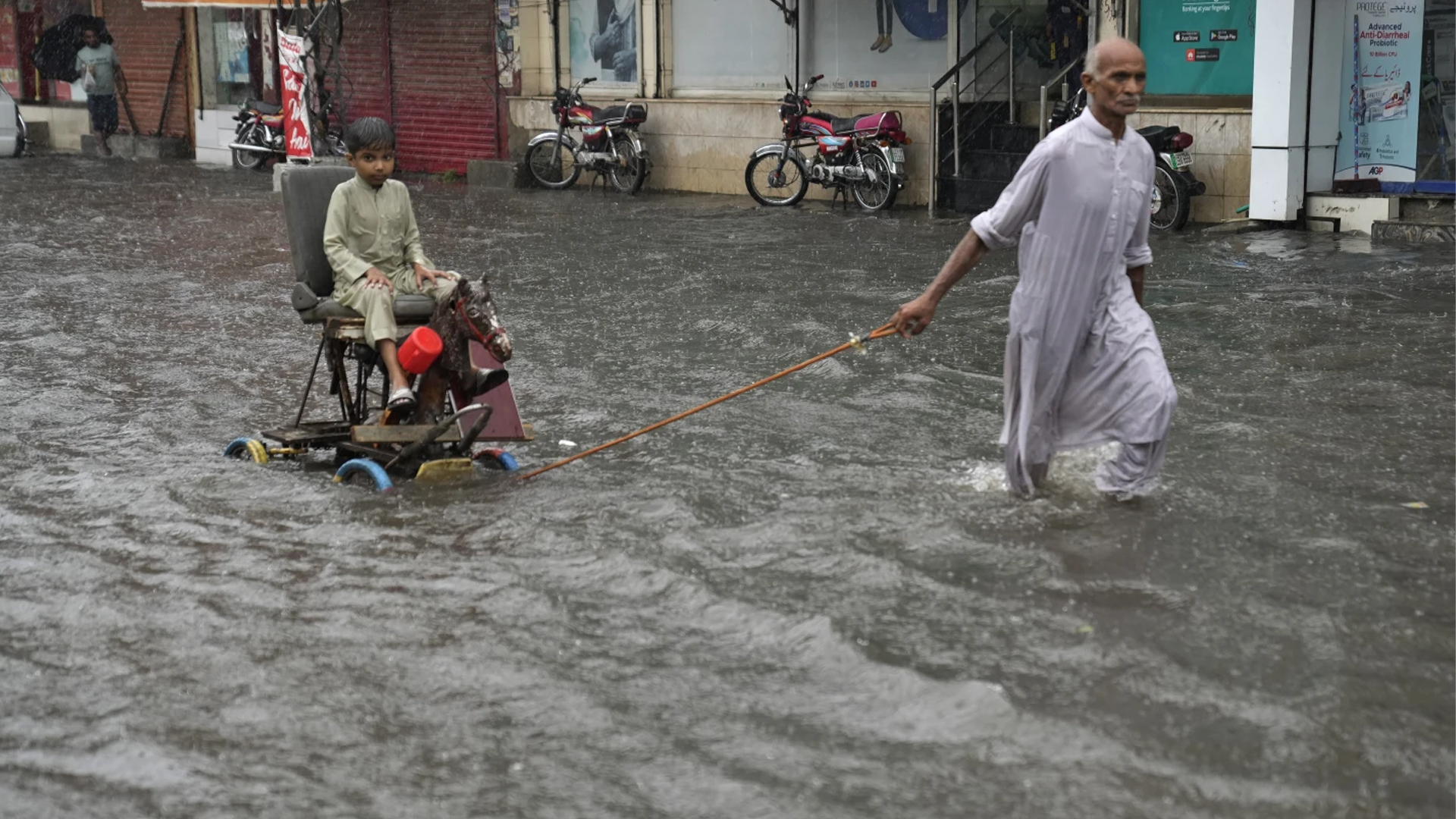
A surge in fatalities has tragically struck Pakistan due to ongoing monsoon rains, resulting in the deaths of 63 people across the country within just 24 hours. This distressing number emphasizes the significant impact of the current monsoon season, which usually brings substantial rainfall but this year has caused an especially damaging deluge, straining infrastructure and threatening communities. The somber figures illustrate a fast-growing humanitarian crisis, leading to urgent appeals for assistance and extensive disaster response measures.
The intensity of the latest storms has been unmatched in numerous areas, causing extensive sudden floods, landslides, and building failures. Susceptible communities, especially those living in low-altitude locations or flimsy structures, have suffered the worst impacts of these natural events. The rapid rise in fatalities reflects the unexpected and overpowering character of the calamity, providing minimal opportunity for inhabitants to flee or protect their properties. This swift increase in the number of victims points to a combination of heavy rainfall and inadequate readiness measures across different regions.
Government officials and rescue teams are struggling to handle the vast scope of the catastrophe. Relief efforts are in progress across various impacted zones, although reaching isolated and inaccessible areas is still a major hurdle. Roads are flooded, bridges have been destroyed, and communication systems are down, hindering the prompt distribution of supplies and medical support to those extremely in need. The primary aim is now on rescuing individuals who are stuck and supplying urgent aid to those who have been displaced, many of whom abruptly lost their homes and means of living.
The rainy season, usually ranging from July to September, is an essential time for Pakistan’s farming, as it refills crucial water supplies for irrigation and survival. Nonetheless, in the past few years, the strength and unpredictability of these downpours have increased, mainly due to the worsening impact of climate change. Although the monsoons are important for maintaining the nation’s ecological equilibrium and economic steadiness, the trend towards more extreme weather conditions poses a consistent and growing risk to human lives and structures. This year’s devastating 24-hour span is a clear indication of this changing weather pattern.
Reports from various provinces paint a harrowing picture. In Khyber Pakhtunkhwa, the northwestern province, mountainous terrains are particularly susceptible to landslides, which have accounted for a significant portion of the fatalities. Balochistan, the southwestern province, known for its arid landscape, has also witnessed severe flash flooding, as its dry riverbeds rapidly transform into raging torrents. Punjab, the most populous province, has seen urban centers inundated, paralyzing daily life and trapping residents in their homes. Sindh, located in the south, faces the perennial threat of the Indus River swelling to dangerous levels, displacing thousands.
The direct consequences of such extensive destruction include not just loss of life but also major harm to property, animals, and agricultural products. Houses, agricultural lands, and critical infrastructure like electrical grids and water systems have been heavily damaged. This devastation will have enduring impacts on the communities affected, many of whom are already facing poverty and limited means. The issue extends beyond urgent rescue and aid to involve the challenging work of recovery and rebuilding, which will need considerable financial resources and coordinated actions from both governmental and non-governmental bodies.
The rapid increase in casualties within such a short timeframe also raises questions about early warning systems and disaster preparedness strategies. While Pakistan has made strides in disaster management, the sheer volume of this recent rainfall event appears to have overwhelmed existing mechanisms. The need for more robust, localized warning systems, enhanced evacuation plans, and climate-resilient infrastructure is becoming increasingly apparent. Investing in flood defenses, improving drainage systems, and educating communities on emergency protocols are crucial steps to mitigate future losses.
In addition, the humanitarian consequences go beyond immediate safety concerns. The forced relocation of numerous individuals heightens the risk of diseases transmitted through water, food shortages, and limited access to critical healthcare services. Temporary shelters and crowded emergency camps may foster the spread of infections, especially in regions with weak sanitation systems. Providing clean drinking water, sufficient food resources, and medical care for the displaced is now a top priority for aid organizations working directly in the area.
The international community is closely monitoring the situation, and calls for global assistance are likely to intensify as the full extent of the damage becomes clearer. Pakistan, a country that has historically borne a disproportionate burden of climate change impacts despite its relatively low contribution to global emissions, often relies on international support during such crises. The current catastrophe serves as a poignant illustration of the interconnectedness of global climate patterns and the shared responsibility in addressing their devastating consequences on vulnerable nations.
As we look to the future, the persistent monsoon season continues to pose a significant threat. Although the current emphasis is on rescue and aid, it is crucial to develop long-term strategies for climate adaptation and strengthening resilience. This requires a comprehensive approach that includes enhanced urban planning, sustainable management of water resources, efforts in reforestation to reduce soil erosion, and the advancement of agricultural practices that are resistant to changing climates. The habitual occurrence of such severe weather conditions demands a shift from merely reacting to disasters towards taking proactive measures to mitigate risks and prepare for climate changes.
The tragedy unfolding in Pakistan serves as a powerful reminder of the urgent need for global cooperation on climate action. As countries worldwide grapple with increasingly unpredictable weather patterns, the human cost of climate change becomes devastatingly apparent. For Pakistan, the next few weeks and months will be a test of its resilience, as it strives to recover from the immediate aftermath of these lethal rains and build a more secure future against the backdrop of a changing climate. The lives lost in this 24-hour period represent a profound and painful reminder of the critical importance of addressing this global challenge with immediate and concerted efforts.