

The global trade landscape has entered another turbulent phase as Beijing strongly criticized Washington’s recent decision to impose steep tariffs on goods originating from India. The move, which applies a 50 percent tariff rate on a range of Indian exports to the United States, has sparked widespread debate over protectionism, economic strategy, and the future of international trade relations.
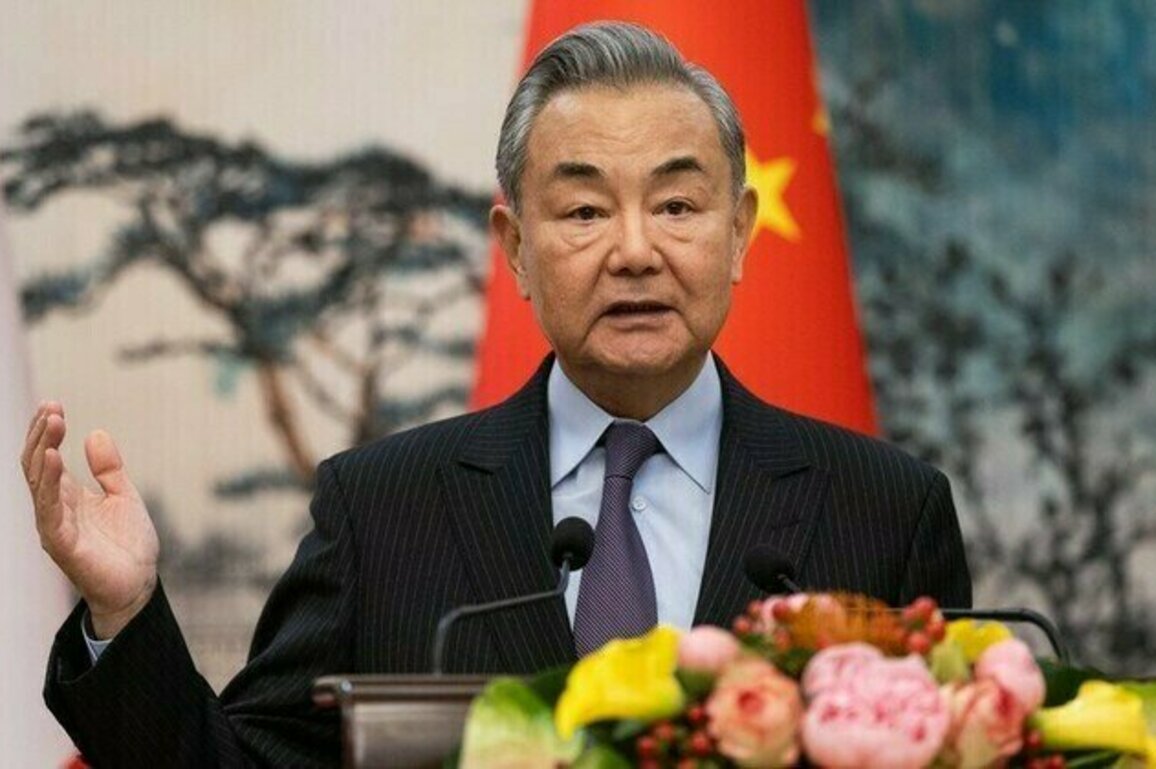
China’s disapproval of the policy emerged quickly, presenting the choice as an illustration of what it calls “coercive strategies” in the worldwide economic framework. Chinese authorities assert that such actions compromise the ideals of fair competition and put the international market’s stability at risk. By focusing on a key trading partner like India, Beijing contends, the United States hazards initiating a domino effect that might exacerbate pressure on supply chains and harm developing economies that are already dealing with inflation challenges.
The implementation of levies on products from India is a component of a larger American initiative to adjust trade connections in a world increasingly influenced by geopolitical competition and economic nationalism. U.S. authorities assert that the move seeks to tackle issues related to trade disparities, market availability, and safeguarding local industries. Nonetheless, detractors view it as additional evidence of a protectionist shift that might have extensive impacts on global trade.
For India, this situation poses a multifaceted obstacle. As a rapidly expanding economy, the nation is striving to establish itself as a dependable manufacturing center and a favored option compared to China for international supply networks. The implementation of increased duties on its products entering the U.S. market creates complications for this approach, possibly diminishing competitiveness in significant fields such as textiles, pharmaceuticals, and information technology services.
Economists warn that these tariffs could dampen export growth at a time when India is seeking to attract foreign investment and boost its global trade footprint. While the Indian government has yet to announce a formal response, analysts suggest that retaliatory measures or intensified negotiations could follow. The risk of escalating tensions into a full-scale trade dispute cannot be ruled out, especially if both sides fail to find common ground.
China’s outspoken disapproval of the U.S. decision goes beyond just supporting India; it highlights a more extensive criticism from Beijing regarding Washington’s trade strategies over recent years. Chinese officials contend that unilateral tariffs skew the globally governed trading system administered by entities like the World Trade Organization (WTO). According to Beijing, by circumventing multilateral systems in preference for direct economic influence, the United States weakens confidence among its trade partners and diminishes the collaborative ethos that has supported globalization for many years.
Moreover, experts from China highlight that actions of this nature have impacts that extend beyond the intended nations. As tariffs are elevated, the expenses of production go up, causing global supply chains—withstanding pandemic interruptions and geopolitical strains—to become even more unpredictable. For nations in the developing stage, which significantly depend on growth fueled by exports, the impact can be quite drastic.
From the viewpoint of Washington, the increase in tariffs is intended to protect American companies from what is perceived as unfair competition. Authorities in the U.S. assert that products from India have gained advantages due to market situations that place American producers at a disadvantage, such as reduced labor expenses and some government-supported incentives. They claim that higher tariffs help level the playing field, enabling local industries to prosper.
Este razonamiento está en línea con una tendencia más amplia en la política económica de EE.UU., donde los aranceles y las restricciones comerciales se utilizan cada vez más como instrumentos para perseguir objetivos tanto económicos como estratégicos. En los últimos años, se han implementado medidas similares sobre productos chinos, reflejando preocupaciones sobre la propiedad intelectual, la seguridad nacional y los déficits comerciales. Extender este enfoque a India sugiere que Washington está dispuesto a ejercer presión constante sobre todos los socios comerciales importantes para lograr sus propósitos.
The controversy surrounding these tariffs revives longstanding debates about the health of the multilateral trading system. Organizations like the WTO were designed to mediate such disputes and ensure that trade rules are applied consistently across nations. However, as major economies resort to unilateral measures, the credibility of these institutions comes into question.
Experts caution that if major economies persist in applying tariffs beyond agreed protocols, smaller countries might emulate this behavior, resulting in the breakdown of international trade. This situation would raise expenses for both businesses and consumers and obstruct initiatives aimed at recovering economically after the recent worldwide crises.
For India, the situation is particularly delicate. On one hand, the country values its growing economic relationship with the United States, which has become a key partner in trade, technology, and defense. On the other, New Delhi is wary of appearing too dependent on any single partner, especially as it seeks to maintain autonomy in an era of intensifying geopolitical rivalry.
India’s decision-makers are currently confronted with challenging options. Should they implement reciprocal tariffs and risk increasing tensions, or aim for a negotiated agreement to maintain entry to the profitable U.S. market? The solution might hinge on how the two nations define their long-term economic goals and if diplomatic conversations can avert a trade dispute from escalating uncontrollably.
This dispute cannot be viewed in isolation. It occurs against the backdrop of a shifting global order in which economic power is increasingly tied to strategic influence. Washington’s trade posture reflects its broader effort to strengthen domestic resilience while limiting the economic leverage of rising powers. Meanwhile, Beijing’s response highlights its ambition to position itself as a defender of multilateralism and a champion of developing nations’ interests.
For India, the future direction might involve strengthening trade relationships with other partners, speeding up free trade deals, and enhancing domestic competitiveness to counterbalance the effects of tariffs. Meanwhile, preserving a delicate balance between the U.S. and China will continue to be a key challenge in its foreign policy considerations.
Beyond diplomatic pronouncements and policy discussions, these tariffs will result in real impacts for both enterprises and purchasers. Indian exporters, especially small and medium-sized businesses, are confronted with the urgent issue of either bearing increased expenses or transferring them to clients—choices that may lead to a loss of market share. American importers, on the other hand, might deal with interruptions in supply and increasing costs, which will eventually influence consumers.
Global corporations that depend on Indian supply chains might also face increased operational expenses, leading them to reconsider their sourcing plans. These changes, although slowly implemented, could alter trade patterns, affecting aspects ranging from consumer prices to employment generation across various nations.
In the upcoming months, it will become clear if this disagreement intensifies or transitions into a dialogue. A significant factor will be the readiness of both Washington and New Delhi to participate positively and the capability of global organizations to mediate successfully. The role of Beijing introduces additional complexity, as China aims to use its critique of U.S. policies to bolster its portrayal of upholding international justice.
As everyone observes closely, it is evident that the time of stable trade relationships has ended. Duties, retaliatory actions, and strategic partnerships have now become essential components in the economic strategies of leading nations. Both companies and decision-makers must focus on flexibility to successfully operate in a scenario where economic choices are deeply linked to geopolitical factors.