

How Did Bob Marley Influence Reggae?
Bob Marley is often hailed as the quintessential icon of reggae music, a genre that he did not create but undeniably elevated to global prominence. Through his unique blend of rhythmic innovations, poignant lyrics, and charismatic persona, Marley transformed reggae from a regional sound associated primarily with Jamaica to an internationally embraced musical style that carries profound social and political messages. Understanding how Bob Marley influenced reggae requires a deep dive into his musical journey, his innovative contributions, and the cultural impact he left behind.
The Roots of Reggae and Marley’s Early Influence
Reggae music started in Jamaica in the late 1960s, building its foundation on earlier styles like ska and rocksteady. Nevertheless, Marley and his group, The Wailers, played a crucial role in refining and promoting this genre. In his initial years, Marley’s work was significantly inspired by rhythm and blues from the United States, which is evident in his early tracks. As The Wailers’ sound developed, Marley began blending traditional Jamaican rhythms with elements influenced by rock, paving the way for the next era of reggae.
Rastafarian Philosophy and Sociopolitical Messaging
Marley’s embrace of Rastafarianism was pivotal in shaping the thematic elements of his music. Rastafarian beliefs emphasize peace, love, and social justice, themes that are prevalent in Marley’s lyrics. Through songs like “Get Up, Stand Up” and “Buffalo Soldier,” Marley did not merely entertain; he educated and inspired. His ability to address issues of oppression, identity, and resilience through music introduced reggae as a significant mode of sociopolitical expression.
Innovative Music and Worldwide Influence
Marley’s influence extended beyond the thematic content of reggae, touching its musical structure as well. His dynamic use of bass lines, rhythmic guitar strums, and syncopated drumming laid the foundation for what many recognize as the authentic reggae sound. The fusion of these elements made reggae accessible to diverse audiences, smoothing its path to international platforms. Albums like “Exodus” and “Legend” introduced Bob Marley and reggae to a global audience, leading to collaborations and influence that reverberated throughout the music industry.
Envoy of Jamaican Traditions
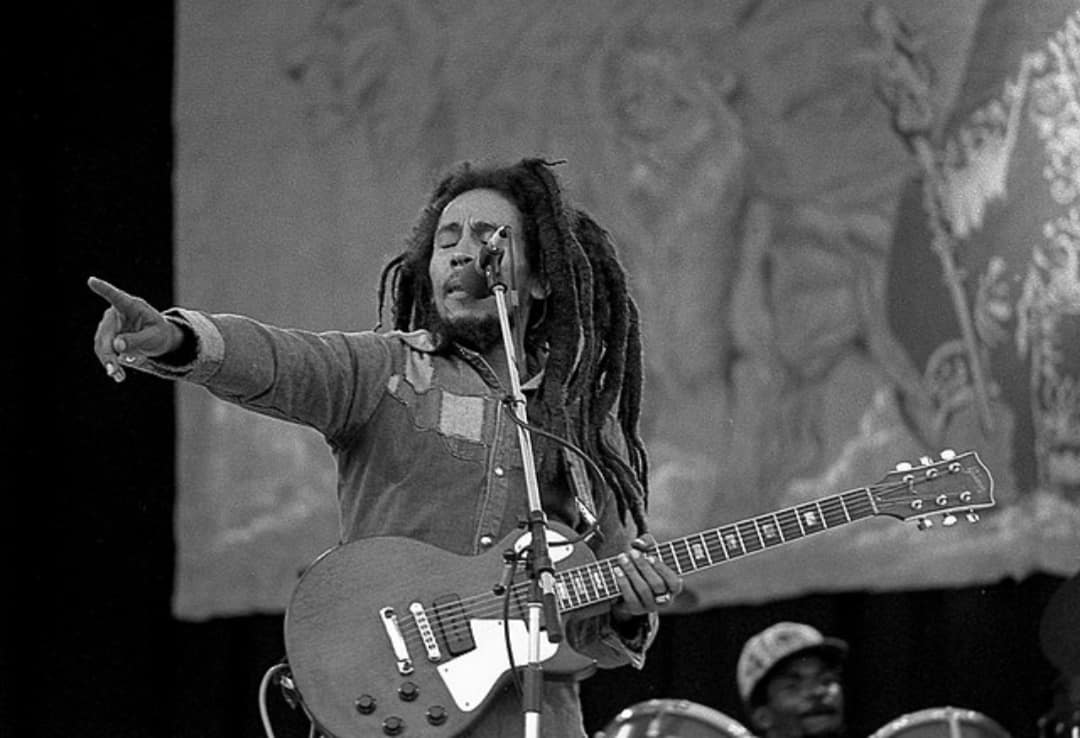
As Marley’s fame increased, global fascination with Jamaican culture also grew. Through his songs, Marley emerged as an informal representative for Jamaica. His live performances introduced reggae to regions unfamiliar with the genre, sparking fresh cultural interest. Significantly, his show at the 1978 One Love Peace Concert in Kingston highlighted music’s ability to bring people together, acting as a trigger for harmony during politically volatile periods.
Heritage and Ongoing Impact
Although Marley passed away in 1981, his impact on reggae and popular music remains profound. Artists across genres, from rock to hip-hop, cite Marley as an inspiration, drawing from his ability to fuse activism with artistry. Reggae continues to evolve, yet Marley’s contributions are enduring, serving as a benchmark for quality and authenticity within the genre. The globalization of reggae can largely be attributed to Marley’s efforts, which have opened doors for countless Jamaican and international artists.
Reflecting on the vast impact Bob Marley had on reggae, we observe a legacy marked not only by groundbreaking music but also by a deep philosophy that crossed borders and unified individuals. His legacy is proof of music’s ability to drive transformation, motivate movements, and unite people in mutual understanding.