

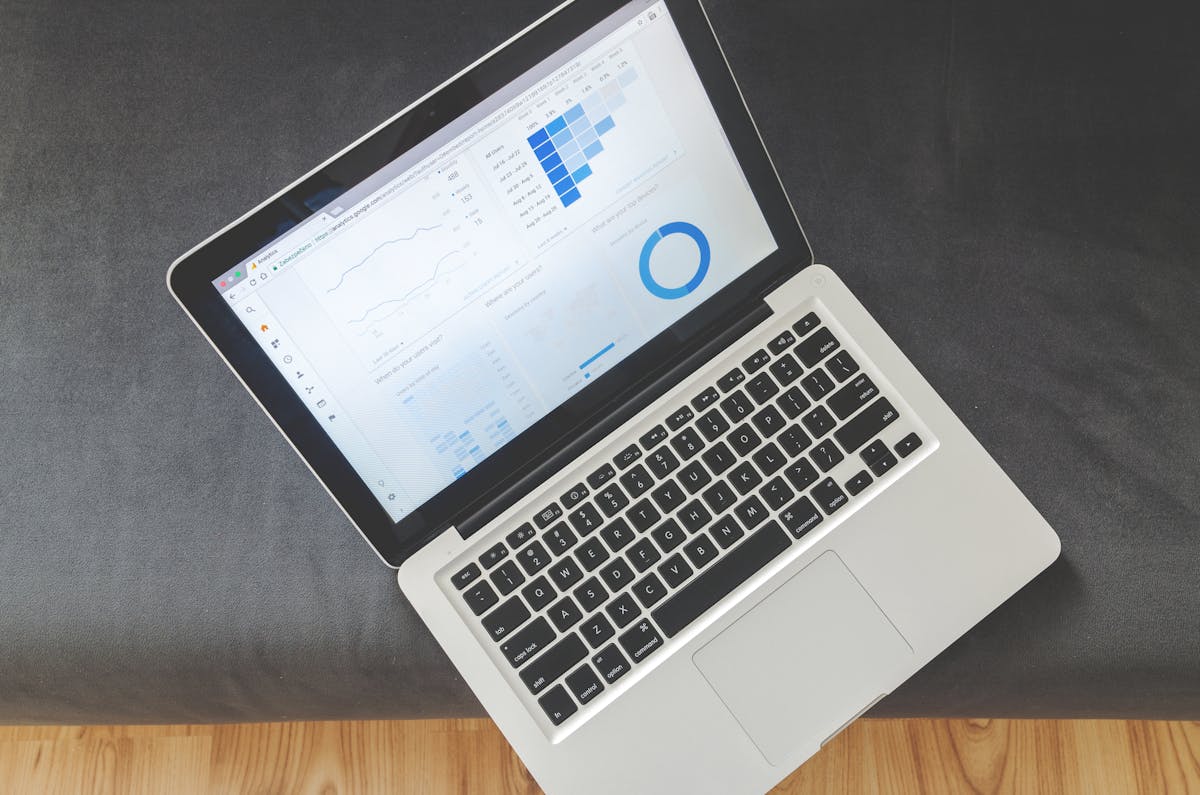
Informed financial choices play a pivotal role in driving business success, as leaders regularly navigate intricate issues involving resource distribution, risk control, investment priorities, and long‑term expansion plans; within such a complex setting, dependable tools become essential for converting raw data into practical guidance, and the modern corporate world delivers a wide array of financial decision‑support instruments, spanning from classic spreadsheet solutions to advanced platforms enhanced by artificial intelligence.
Essential Instruments for Financial Analysis
1. Spreadsheets and Financial Modeling Software Microsoft Excel continues to serve as the premier standard for financial modeling, budgeting, forecasting, and analytical work. Organizations rely on spreadsheet tools to run scenario evaluations, compute essential ratios (including ROI, NPV, and IRR), and present projections visually. For instance, a medium-sized manufacturing firm planning a three-year growth initiative might use Excel to simulate cash flows and pressure-test different pricing approaches amid shifting market dynamics.
Advanced platforms like Google Sheets provide similar functionalities with the added benefit of cloud collaboration. For more complex needs, specialized packages such as IBM Cognos, SAP Analytics Cloud, and Oracle Hyperion deliver multilayered modeling, automated consolidation, and the capacity to integrate data from numerous sources.
2. Enterprise Resource Planning (ERP) Systems ERPs such as SAP, Oracle NetSuite, and Microsoft Dynamics bring together financial information from multiple areas, providing broad operational insight. These platforms handle budget planning, monitor cash flow, and oversee procurement in real time so leaders can rely on current data. For instance, a global retail chain relies on an ERP to align inventory counts with sales projections automatically, strengthening working capital oversight and supporting smarter purchasing choices.
3. Business Intelligence (BI) Platforms Tools such as Tableau, Power BI, and Qlik Sense transform raw financial data into visual dashboards and interactive reports. BI systems empower management teams to spot emerging financial trends, uncover inefficiencies, and test performance against industry benchmarks. A logistics firm, for instance, might use BI dashboards to track route profitability and operating cost trends, optimizing its fleet deployment accordingly.
Risk Assessment and Management Tools
1. Scenario Analysis and Sensitivity Testing Scenario planning tools allow finance managers to simulate changes in variables such as interest rates, consumer demand, or foreign exchange rates. Monte Carlo simulation, available in platforms like @RISK and Oracle Crystal Ball, incorporates thousands of possible outcomes to evaluate risk exposure. For example, an energy company leveraging Monte Carlo analyses might better predict revenue fluctuations based on oil price volatility, strengthening its hedging strategy.
2. Credit Assessment Solutions Financial decision-making also requires examining the credit reliability of clients, suppliers, or partners. Platforms like Dun & Bradstreet Risk Analytics, Experian Commercial Credit Reports, and Moody’s Analytics deliver company profiles, credit ratings, and risk indicators, helping reduce exposure to potential bad debt. This becomes particularly important for B2B organizations that handle a wide client portfolio with diverse payment records.
Systems Designed to Support Investment Decisions
1. Capital Budgeting Platforms Capital allocation choices frequently call for a multilayered assessment. Solutions such as Finario, Planful, and specialized capital budgeting components integrated into ERP ecosystems help unify project appraisal practices. These platforms generally feature discounted cash flow modeling, risk scoring, and oversight for regulatory adherence. For example, a utilities provider considering a grid modernization initiative might rely on this type of system to weigh potential investments by examining factors like anticipated service demand, available government incentives, and the expected longevity of the technology.
2. Market Analytics Tools For strategic investment, companies turn to platforms like Bloomberg Terminal, Morningstar Direct, and S&P Global Market Intelligence. These offer real-time market data, economic forecasts, and competitive benchmarking. Asset managers and corporate development teams can assess acquisition targets, identify emerging market opportunities, and monitor relevant market-moving events with precision.
Comprehensive Budgeting and Forecasting Services
1. Adaptive Budgeting Software Modern budgeting solutions such as Adaptive Insights (Workday Adaptive Planning), Prophix, and Anaplan allow for rolling forecasts, scenario modeling, and collaborative workflow management. These tools automatically adjust forecasts based on current performance indicators, increasing agility in volatile environments. A fast-growing SaaS business may implement rolling monthly forecasts, reallocating resources quickly in response to changing sales pipelines or external disruptions.
2. Automated Financial Close and Reporting Close management platforms such as BlackLine and Trintech optimize the end-of-period close, uphold data accuracy, and speed up reporting timelines, while automated reconciliations and journal entries help minimize mistakes and allow finance teams to dedicate more time to strategic decisions rather than routine workloads.
Integrated Data and Visual Insights
As data sources proliferate, integration tools like Alteryx, Talend, and Fivetran collect, cleanse, and harmonize financial data from diverse applications. Visual analytics, through platforms such as Tableau and Power BI, enable decision-makers to grasp complex scenarios at a glance—turning granular ledgers and operational details into intuitive charts, heat maps, or geographic breakdowns.
Artificial Intelligence and Predictive Analysis
Machine learning and AI-enhanced tools are transforming how financial decisions are made. AutoML services, including Google AutoML and DataRobot, enable companies to develop predictive models without requiring extensive programming skills. By examining past financial and operational data, these platforms uncover nuanced patterns and deliver highly accurate forecasts. For example, a retailer could apply AI to anticipate seasonal shifts in product demand, while a fintech company might rely on predictive algorithms to identify fraudulent transactions instantly.
Practical Examples and Real-World Case Studies
Consider a multinational manufacturer dealing with foreign currency exposure. By relying on SAP’s integrated treasury management solution, it is able to consolidate all transactions in foreign denominations and model how exchange rate shifts might affect operations, supporting more strategic hedging decisions. In a different scenario, a startup using QuickBooks Online streamlines expense classification and cash flow projections, allowing its founders to dedicate more time to growth instead of manual bookkeeping.
A multinational business services firm deployed Tableau to integrate financial, operational, and sales information, and the resulting dashboards revealed a drop in profitability within one service line, leading to an in-depth evaluation of resource allocation; this review drove operational adjustments that brought margins back within two quarters.
Selecting the Right Tools for Your Organization
Choosing the right financial tools largely depends on a company’s scale, operational complexity, regulatory landscape, and leadership goals, and while cloud‑based platforms enhanced by AI can expand easily, traditional on‑premises systems might suit tightly regulated sectors better, making thorough training, change management, and seamless integration with existing workflows crucial for unlocking each solution’s full return on investment.
Assessing the wide array of available tools demands a solid grasp of an organization’s priorities, prevailing industry standards, and shifting best practices, and selecting the most suitable mix enables companies to refine financial decisions, navigate uncertainty, control risks, and capitalize on emerging growth prospects. The evolving relationship between technology and strategic finance keeps the pursuit of improved decision-making in motion, requiring ongoing learning, flexibility, and inventive thinking.