
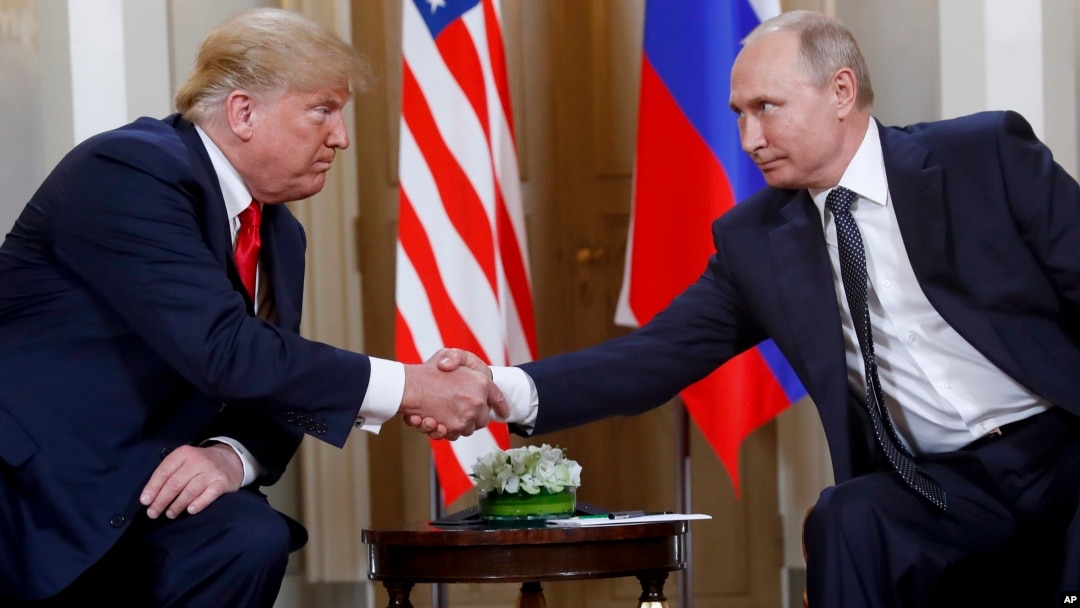
As excitement grows around the forthcoming discussions between Vladimir Putin and Donald Trump, the Russian leader faces increasing demands to prove his nation’s sincere dedication to peace. Demands for tangible measures are voiced by both global officials and analysts, stressing the importance of Russia taking substantial actions to reduce international tensions and showing readiness to participate in effective conversations.
The gathering, which has captured worldwide interest, is viewed as a crucial point for U.S.-Russia interactions. Yet, the context of tense global relationships, persistent conflicts, and accusations of meddling causes many to doubt Russia’s motives. Before the discussions, Putin faces calls to undertake measures that would indicate a true commitment to promoting peace and stability, emphasizing contentious topics like Ukraine, Syria, and cybersecurity.
Russia’s behavior on the global platform has long been a point of contention, especially with Western countries. Actions such as the annexation of Crimea, military operations in Syria, and purported interference in foreign elections have fueled an atmosphere of suspicion. Critics contend that without transparent signs of peaceful intentions, any achievements from the discussions may be overshadowed by doubts regarding Russia’s long-term objectives.
For years, Russia’s actions on the world stage have been a source of tension, particularly with Western nations. The annexation of Crimea, military involvement in Syria, and alleged meddling in foreign elections have contributed to a climate of mistrust. Critics argue that without clear demonstrations of peaceful intent, any progress made during the talks could be undermined by skepticism about Russia’s long-term goals.
Russia’s involvement in Syria continues to be a pressing issue. Although Moscow presents its actions as a fight against terrorism and a move towards regional stability, critics say Russia has worsened the situation by backing the Assad regime and adding to civilian casualties. In anticipation of the talks, there are growing appeals for Putin to leverage his influence to advocate for a peaceful solution in Syria and address humanitarian issues.
Cybersecurity and claims of meddling in foreign elections are also anticipated to be central points of the discussion. Allegations of Russia’s involvement in hacking activities and disinformation campaigns have progressively strained ties with the Western world. Showing dedication to resolving these issues and preventing future occurrences could significantly aid in restoring trust and illustrating that Russia is earnest about developing positive international relationships.
The forthcoming meeting between Putin and Trump offers both a challenge and an opportunity. For Putin, it’s a moment to influence the narrative about Russia’s place in global matters and possibly reduce frictions with the United States. Yet, without substantial actions to support his words, doubt is likely to remain. Analysts highlight that merely symbolic gestures won’t suffice—only definitive measures can persuade the global community of Russia’s objectives.
The upcoming meeting between Putin and Trump presents both a challenge and an opportunity. For Putin, it is a chance to shape the narrative surrounding Russia’s role in global affairs and potentially ease tensions with the United States. However, without tangible steps to back up his rhetoric, skepticism is likely to persist. Observers have emphasized that symbolic gestures will not be enough—only concrete actions can convince the global community of Russia’s intentions.
For Trump, this meeting offers a chance to challenge Putin on critical matters and also to investigate potential areas for collaboration. Proponents of diplomacy maintain that dialogue, even during tense times, is vital for tackling intricate global issues. Yet, critics warn that without definitive commitments from Russia, the discussion may be perceived merely as a superficial photo opportunity.
As the meeting approaches, the pressure on Putin highlights the significant stakes involved. The results of these discussions might shape U.S.-Russia relations for the long term, affecting elements from trade connections to security collaboration. For many, the expectation is that the talks will produce concrete advancements instead of hollow assurances.
In the end, the core issue remains whether Russia is genuinely dedicated to peace in its global role. While statements and pledges can indicate intentions, actions carry more weight. The international community will be observing closely to see if Putin seizes this opportunity to make substantial moves toward de-escalation and cooperation or persists in pursuing policies that generate distrust and division.
Ultimately, the question of whether Russia is truly committed to peace remains central to the broader conversation about its role in the world. While words and promises can signal intent, actions speak louder. The international community will be watching closely to see whether Putin uses this moment to take meaningful steps toward de-escalation and cooperation or continues to pursue policies that fuel mistrust and division.
As Putin and Trump prepare to meet, a clear demonstration of peaceful intent from Russia could provide a much-needed foundation for productive dialogue. Without it, the talks risk falling short of their potential, leaving unresolved tensions to persist on the global stage. For now, the world waits to see whether Russia will seize this opportunity to chart a new course or remain entrenched in its current approach.