

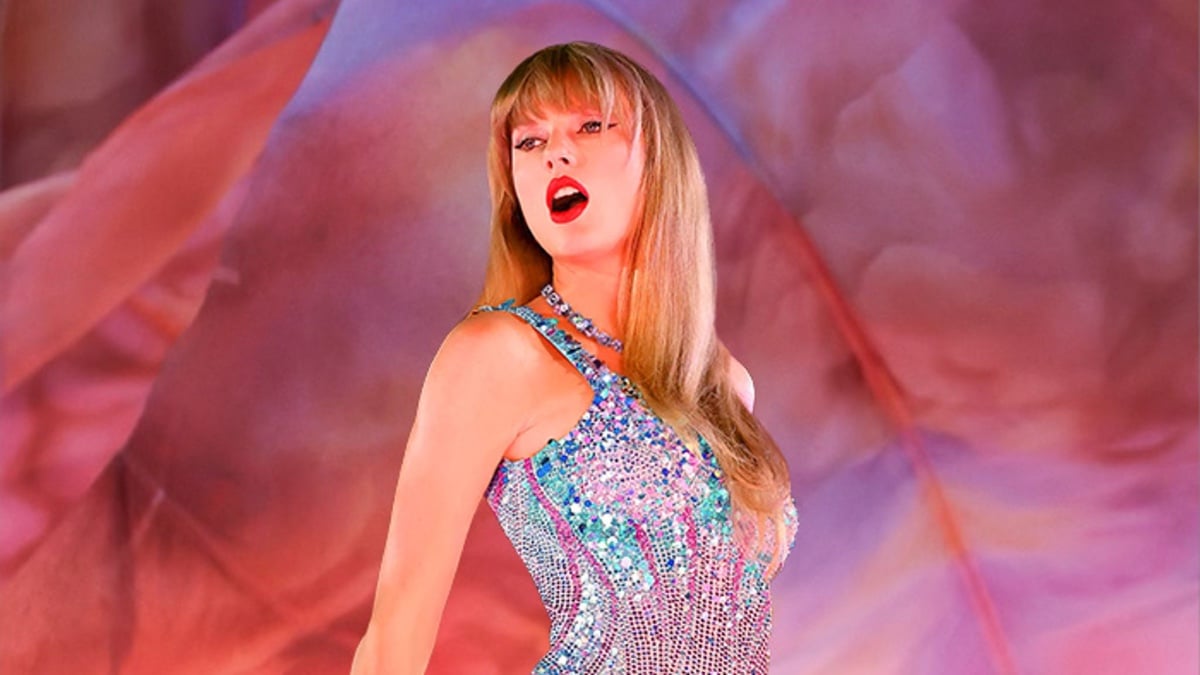
The enthusiasm over Taylor Swift’s Eras tour has become a significant cultural event recently, setting new records for audience size, ticket interest, and fan interaction. Nonetheless, this immense popularity has also highlighted enduring issues within the live entertainment sector, notably the problem of ticket resale. In a recent development, the Federal Trade Commission (FTC) initiated legal action against a ticket reseller, accused of intentionally bypassing rules designed to shield consumers from unfair conduct amid the rush for Eras tour tickets.
According to the FTC, the reseller in question exploited technological loopholes and used deceptive methods to obtain tickets in bulk. By doing so, they allegedly violated federal consumer protection laws designed to ensure equal access for fans. These practices have drawn significant attention not only because of the Eras tour’s massive popularity, but also due to the broader implications for the ticketing industry and the millions of consumers affected by inflated prices and limited access.
The agency’s lawsuit represents one of the most visible government interventions in the ticketing space in recent years. The FTC argues that the reseller knowingly undermined safeguards implemented by ticketing platforms, which were designed to prevent excessive hoarding of tickets by automated bots or coordinated networks of scalpers. The result, according to the complaint, was that genuine fans were often left without a fair chance to purchase tickets at face value, forcing many into secondary markets where prices soared well above original costs.
For several years, enthusiasts have voiced their annoyance with the secondary market for tickets. Resellers frequently employ sophisticated methods to circumvent buying limits and automated security measures, giving them a major edge over people trying to purchase tickets fairly. Regarding Taylor Swift’s concert series, this scenario unfolded internationally, as tickets vanished within moments and resale sites offered them for thousands of dollars each. The FTC’s choice to initiate legal proceedings underscores a rising worry that these behaviors have surpassed mere consumer trouble and now infringe upon equitable market principles.
The lawsuit also raises questions about accountability in the live events ecosystem. Ticketing companies have long claimed to be developing systems to prevent bot purchases and bulk buying, but incidents like the Eras tour fiasco suggest those protections remain insufficient. While some platforms have instituted stricter identity verification and digital queue systems, resellers have repeatedly found ways around these barriers. The FTC’s intervention signals that government regulators may no longer leave enforcement solely to the ticketing companies themselves.
Consumer advocacy groups have applauded the FTC’s move, describing it as a necessary step toward curbing predatory reselling practices. Many have called for broader reforms, including greater transparency in how tickets are distributed, stricter penalties for resellers who engage in unlawful conduct, and stronger technological safeguards to block mass automated purchases. Fans argue that without such measures, high-demand tours like Swift’s will continue to be dominated by resellers who profit at the expense of genuine concertgoers.
At the same time, the lawsuit shines a spotlight on the economic realities of the modern live music industry. For artists like Taylor Swift, who command massive global audiences, ticket demand inevitably outstrips supply. Even in the absence of unfair reselling tactics, not every fan can secure a seat. However, resellers compound the problem by concentrating tickets in their hands and artificially driving up prices, transforming what could be an affordable entertainment experience into a luxury purchase.
Legal experts suggest that the outcome of the case could set an important precedent for future enforcement. If the FTC is successful, the decision may encourage regulators to pursue similar actions against other resellers who exploit popular events. On the other hand, if the case fails, it could raise doubts about whether current laws are sufficient to address the scale of today’s ticketing challenges. Some argue that new legislation may be necessary to close loopholes and give regulators more effective tools to combat the problem.
Outside of the legal ramifications, this case has heightened the public discussion concerning equity and accessibility in live performances. For numerous fans, attending concerts isn’t merely an entertainment activity but a unique chance to engage with artists they admire. When such chances are taken over by resellers focused on profit, feelings of exclusion and annoyance can be significant. The situation involving Taylor Swift strikes a chord particularly because it signifies more than just a conflict over tickets; it’s a fight for cultural access and collective experiences.
The intervention by the FTC indicates a growing political focus on this topic. Politicians in the U.S. have become more critical of the live entertainment sector, especially following the uproar over how Ticketmaster managed presales for the Eras tour in 2022. Legislative sessions were organized to investigate claims of monopolistic behaviors, consumer manipulation, and inadequate safeguards against resale abuse. This legal action is part of that broader scenario, showing that the issue extends beyond a single artist’s tour and concerns the overall accessibility of live events.
The advancement of technology plays a dual role in this persistent challenge. Automated bots facilitate the large-scale acquisition of tickets by resellers, yet new technological innovations also offer hope for fairer distribution methods. Ticketing systems utilizing blockchain, adaptable QR codes, and buyer identity verification are some of the solutions under investigation to combat inequitable resale practices. The main difficulty is in effectively applying these systems and guaranteeing they do not create additional obstacles or privacy issues for users.
For Taylor Swift enthusiasts, this situation highlights the aggravations associated with large-scale ticket sales. Even after extensive preparation, access codes, and fan bonuses, numerous supporters were left without tickets during the Eras tour frenzy. While the legal action might not fix past letdowns, it has the potential to foster more equitable practices in upcoming tours and events within the industry.
Artists themselves are increasingly pressured to address the issue. Some musicians have experimented with fan-first ticketing platforms, limited resale options, and price caps on secondary market listings. While these measures can help, they often face resistance from resellers and even some industry stakeholders who benefit financially from inflated prices. The FTC’s action could empower more artists to push for stricter systems, knowing there is regulatory backing for their efforts.
Ultimately, the legal case against the ticket vendor blamed for tampering with Taylor Swift’s Eras tour tickets signifies more than just one legal battle. It embodies the conflict among tech advancements, consumer protections, and business accountability within the live event sector. The decision will influence not only the fate of this particular vendor but could also set precedents for upcoming tours and events that draw international interest.
The clarity lies in the fact that admirers are pushing for modifications. The uproar regarding ticket sales procedures has surpassed mere digital grievances or isolated annoyances—it has ascended to the pinnacle of governmental scrutiny. Be it by means of legal measures, innovative technology, or changes within the sector, the plea for a more equitable process is becoming more pronounced. As the FTC continues its proceedings, those involved in live performances are observing attentively, conscious that the implications reach far beyond a single concert, musician, or vendor.
The lawsuit is still in its early stages, and the courts will ultimately determine whether the accused reseller violated consumer protection laws. However, the cultural and economic significance of the case is already undeniable. For millions of fans, the hope is that this marks the beginning of a new era in ticketing, one where fairness, accessibility, and transparency finally take center stage.