
Bulgaria’s Nickolay Mladenov, a veteran diplomat, has stepped into one of the most demanding roles of his career: supervising the sensitive rollout of a US‑brokered initiative aimed at stabilizing Gaza and shaping its governance. His background, network, and standing will face significant scrutiny as he maneuvers through the region’s intricate political landscape.
Mladenov’s journey to this point has been marked by decades of diplomatic service. Early in his career, he held key positions in Bulgaria’s government, including defense minister at 37 and later foreign minister. His international experience expanded with appointments to the European Parliament and as the UN’s Special Representative for Iraq, before arriving in Jerusalem in 2015 as the UN Special Coordinator for the Middle East Peace Process. Though the role was often seen as symbolic and ineffectual, Mladenov distinguished himself by cultivating trust with both Israeli and Palestinian officials—a rarity in the long-running conflict.
His approach combined pragmatism with patience. Unlike previous envoys, he engaged directly with major actors on the ground, shuttling between Israeli leaders, the Palestinian Authority, and even Hamas in Gaza. Through these efforts, he contributed to de-escalating repeated flare-ups and mediated behind-the-scenes agreements that prevented prolonged violence. His commitment to dialogue earned him respect across the region, though some critics argue he leaned more toward Israeli perspectives, occasionally sidelining Palestinian interests.
Embarking on a new phase as the High Representative in Gaza
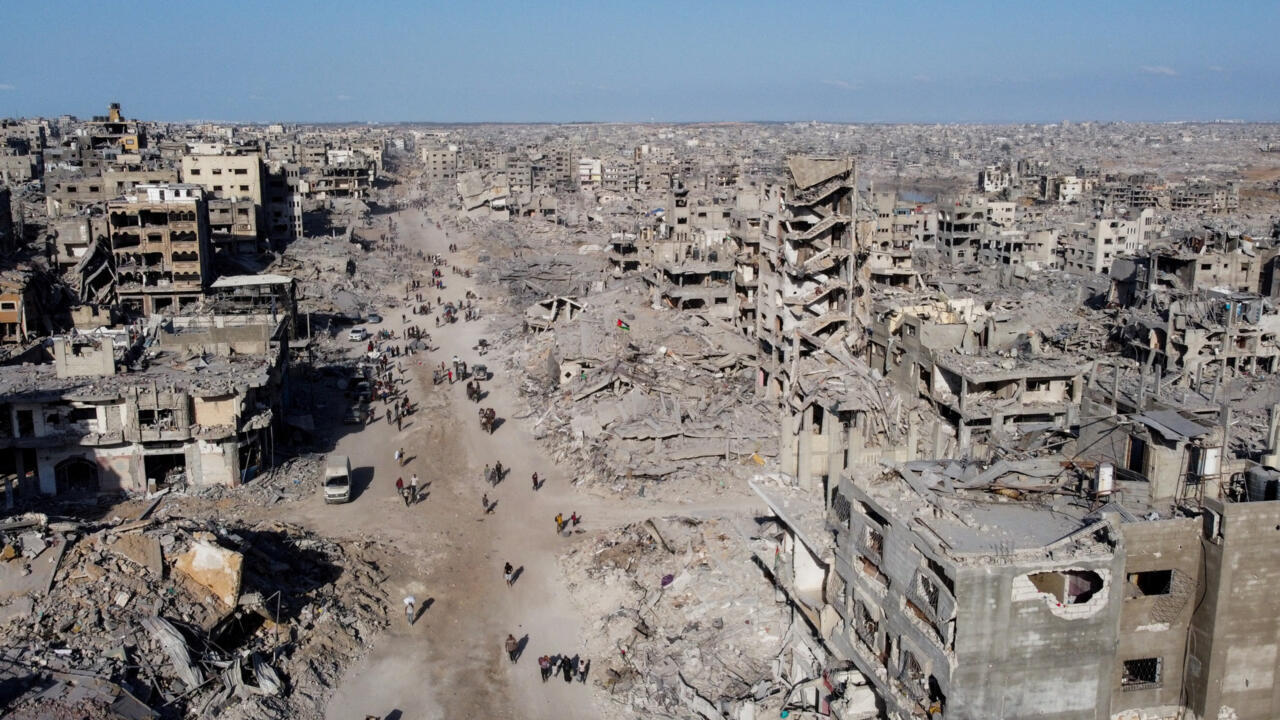
In his latest role as High Representative for Gaza, Mladenov faces an unprecedented challenge. Tasked with bridging the US-led “Board of Peace” and a technocratic Palestinian committee set to govern the enclave, he must translate a 20-point ceasefire framework into actionable policies. This includes overseeing reconstruction, disarmament, and governance for a population of nearly two million people.
The Board of Peace includes prominent figures such as US Secretary of State Marco Rubio, Special Envoy Steve Witkoff, Jared Kushner, and former UK Prime Minister Tony Blair. While Mladenov will lead on-the-ground coordination with the Palestinian committee, the board’s other members are focused on broader diplomatic, financial, and strategic initiatives. His success will depend on maintaining credibility with both Israelis and Palestinians while satisfying American expectations for stability and security.
Despite the high stakes, Mladenov’s early engagements have remained discreet, as he has held quiet meetings with Israeli Prime Minister Benjamin Netanyahu and senior Palestinian figures to help establish the committee’s operational foundations. Although he has avoided making public remarks, his earlier messages, including a New Year’s post urging restraint and sound judgment, indicate a careful and deliberate approach to his new duties.
Balancing trust and skepticism
Mladenov’s diplomatic style emphasizes relationships and practical solutions. Israeli officials praise his ability to communicate constructively, manage sensitivities, and maintain transparency. Palestinians, while acknowledging his professionalism, sometimes critique him for prioritizing Israeli perspectives over Palestinian needs. Some analysts suggest his focus on Hamas and other dynamic actors, rather than the Palestinian Authority, reflects both strategic pragmatism and an alignment with Israel’s interests, particularly in managing Gaza’s complex political landscape.
This nuanced approach has its advantages and drawbacks. By engaging directly with Hamas, Mladenov positioned himself as a mediator capable of facilitating immediate ceasefire and reconstruction efforts. Yet this strategy may complicate efforts to unify Palestinian governance under a single framework, potentially creating rival centers of power between the new technocratic committee and the longstanding Palestinian Authority.
Mladenov’s relationships with other regional players, such as the United Arab Emirates, further complicate perceptions. His advocacy for the Abraham Accords, which normalized relations between Israel and several Arab nations, was praised by some for fostering regional stability but criticized by Palestinians who saw it as bypassing their aspirations for statehood. His willingness to embrace innovative diplomatic avenues, however, reflects a consistent commitment to achieving results over adhering to traditional bureaucratic constraints.
Challenges ahead in Gaza
The immediate challenges for Mladenov are considerable. Three months after the ceasefire, Hamas has yet to take steps toward disarmament, hindering plans for an international security presence. Questions remain about Israel’s commitment to further military withdrawal and the ability of the technocratic committee to manage day-to-day governance in the absence of established infrastructure.
Support from Hamas has been cautious but cooperative, indicating readiness to facilitate the committee’s administration. Conversely, some Israeli and international officials express skepticism, noting Mladenov’s strong ties to Hamas could hinder enforcement of critical elements, such as disarmament or security oversight. Ultimately, his success will depend not only on personal skill but on the political will and cooperation of all parties involved.
Bulgaria’s Ambassador to Israel, Rumiana Bachvarova, who joined Mladenov at the start of his assignment in Jerusalem, highlights his unwavering commitment to dialogue and compromise. She remarks that he consistently favors deliberate, well‑reasoned decisions over convenient political stances, showing both courage and resilience as he moves through highly sensitive political environments.
Pragmatism and diplomacy stand as the core guiding principles
Mladenov’s career demonstrates an emphasis on pragmatic outcomes and cultivating strong relationships, as highlighted by former US Ambassador to Israel Dan Shapiro, who commends his readiness to move past bureaucratic hurdles to make progress and observes that Mladenov consistently promotes action-focused, results-oriented dialogue; this method has enabled him to maneuver through deeply rooted disputes, foster confidence among diverse stakeholders, and achieve concrete results in diplomatic arenas that often remain at an impasse.
Yet the stakes in Gaza surpass those he has faced previously. With no established infrastructure around him, he must construct mechanisms for governance, security, and reconstruction almost from scratch. His ability to coordinate between American policymakers, Israeli authorities, and Palestinian officials will be critical in determining whether the new phase of the US-brokered ceasefire can succeed.
Nickolay Mladenov’s appointment as High Representative for Gaza places him squarely amid one of the most intricate diplomatic tests in recent history, with his seasoned background, trusted reputation, and pragmatic approach offering potential advantages even as deep political rifts, persistent security issues, and conflicting regional agendas render the mission exceptionally challenging.
Mladenov’s career demonstrates that building trust, maintaining neutrality, and focusing on practical solutions can achieve results even in the most intractable conflicts. However, the ultimate success of his mission will rely on the cooperation and political will of key stakeholders. For those who know him, Mladenov’s steadfast dedication, courage, and belief in dialogue provide hope that even in a region fraught with tension, thoughtful diplomacy can make a difference.
His capacity to steer these high‑pressure dynamics, weighing rival priorities while driving toward concrete outcomes, could ultimately shape how Gaza’s reconstruction and governance unfold in the years ahead. Bachvarova’s observations reflect his core character: a diplomat prepared to make hard decisions, interact with every party, and persist in seeking peace despite formidable obstacles.