
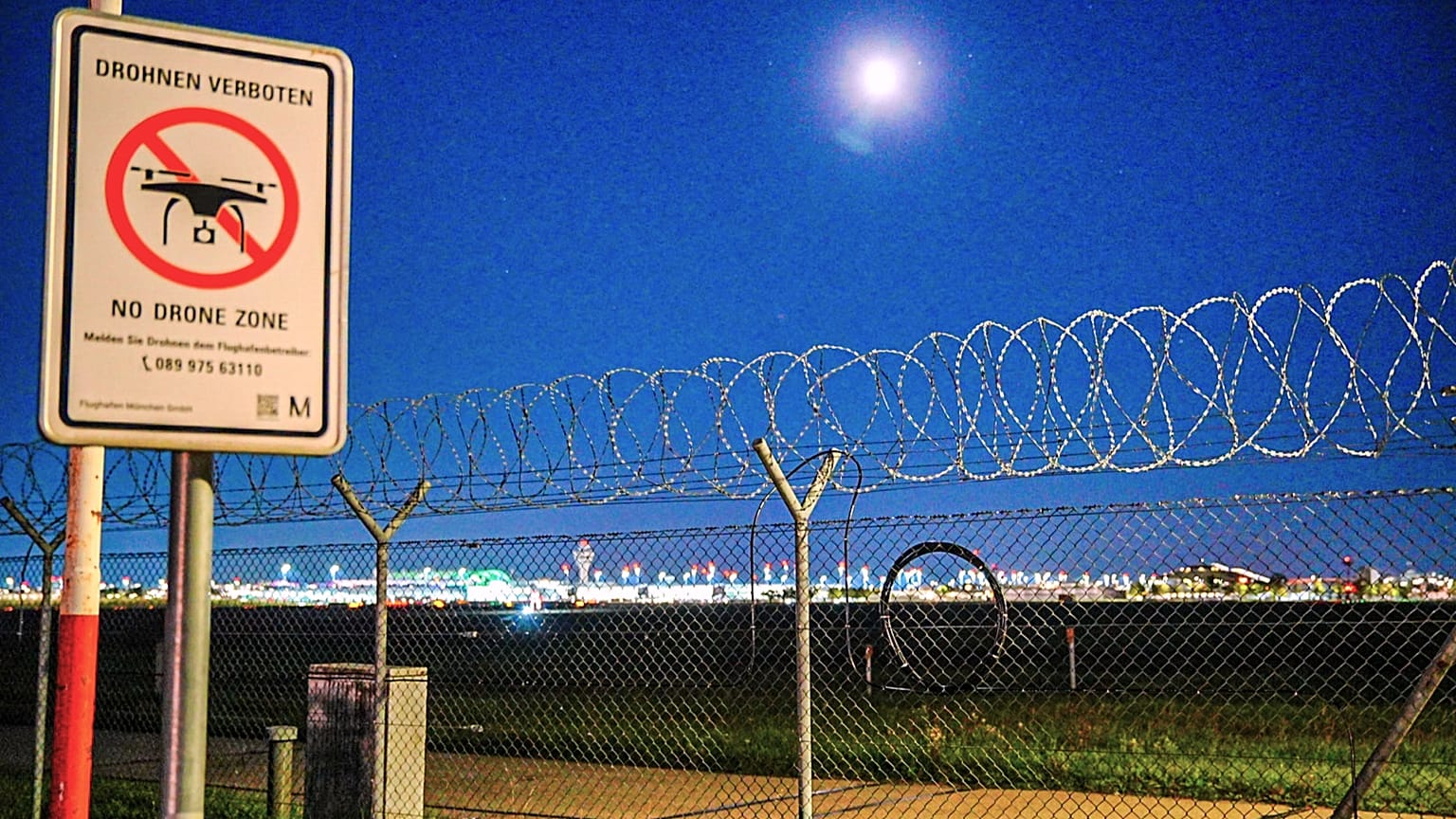
In a move aimed at enhancing national security and protecting public safety, the German government has announced a new policy allowing law enforcement authorities to shoot down drones under certain conditions. The decision comes amid growing concerns over the potential misuse of unmanned aerial vehicles (UAVs) for criminal activities, including surveillance, smuggling, and attacks on critical infrastructure. This development marks a significant shift in the country’s approach to drone regulation, as authorities seek to address the increasing presence of drones in sensitive areas.
The rise of drone-related security threats
Drones have become an essential component of contemporary technology, providing a variety of uses, ranging from entertainment to commercial and military applications. Nevertheless, their extensive availability and capabilities have led to significant security issues. Drones can be easily exploited for unlawful tasks, such as smuggling prohibited items into restricted areas, gathering intelligence on critical facilities, or even executing direct assaults on vital infrastructure. To counter these dangers, the German government has decided to grant law enforcement the power to disable drones that are considered a threat to public security.
Worries about the policy’s effect on community safety and personal privacy
The choice to permit law enforcement officials to bring down drones stirs debate. Some contend it might result in needless escalation, especially in cases where drones are merely flown for entertainment or have accidentally wandered into off-limits airspace. Moreover, there are worries about endangering uninvolved individuals, as bringing down a drone might lead to debris scattering in busy locales. Nonetheless, the authorities have insisted that this measure will be enforced exclusively in scenarios where drones are deemed to present an immediate and significant threat to public safety.
The increasing necessity for more robust drone regulations
Increasing Worries About Drone Abuse
The problem of inappropriate use of drones has become more significant in recent times, as drones have grown more economically accessible and widely available to the public. While numerous drones are operated for lawful activities like photography, monitoring, and delivering goods, their misuse potential has drawn attention from officials. The risk of drones being deployed for terroristic or unlawful deeds is an escalating worry, especially during major public gatherings or near vital facilities such as airports, power stations, and government facilities.
One notable example of the potential threat posed by drones occurred in 2018, when a drone caused significant disruptions at London’s Gatwick Airport. The airport had to shut down for several days as a result of a drone sighting near the runway, leading to flight cancellations and delays affecting thousands of passengers. Incidents like this have prompted governments around the world to re-evaluate their drone regulations, with some countries taking more proactive steps to deal with the emerging risks associated with these devices.
Germany’s latest regulation aligns with a wider European movement to enhance drone legislation. A number of nations, such as France and the United Kingdom, have put into place or are contemplating akin actions to address the increasing risk of improper drone usage. In certain instances, these countries have established restricted airspaces around essential facilities or utilized advanced technology aimed at locating and neutralizing illegal drones.
Addressing the balance between security and privacy
One of the key challenges in implementing such a policy is balancing the need for security with the protection of individual privacy rights. Drones have the potential to intrude on personal privacy, particularly when used for surveillance purposes. However, the widespread use of drones for legitimate activities, such as aerial photography and delivery services, has made it difficult for lawmakers to craft regulations that can effectively address both concerns.
To address these challenges, the German government has indicated that the policy will be subject to strict guidelines and oversight. Police officers will be required to follow a clear set of criteria when deciding whether to shoot down a drone, including assessing the risk posed by the drone and determining whether it is operating within a restricted area. Additionally, the policy will be carefully monitored to ensure that it does not lead to the unnecessary targeting of innocent drone operators.
Despite these safeguards, concerns about the potential for overreach remain. Some critics worry that allowing police to take down drones could lead to an erosion of civil liberties, as individuals may be deterred from using drones for fear of facing harsh penalties or having their equipment destroyed. There are also concerns about the potential for drone-related accidents or injuries, particularly if the drones are shot down in populated areas or near critical infrastructure.
The progress of technologies for countering drones
As drones become increasingly sophisticated and their functions keep advancing, governments must devise more complex strategies for regulating their deployment. The capability to neutralize drones is merely one of several resources available to law enforcement to ensure public safety, and it is probable that other nations will implement comparable actions in the future.
Besides enabling law enforcement to intercept drones, certain governments are channeling resources into sophisticated technologies designed to identify and disable unauthorized UAVs. These innovations encompass drone jammers, which have the capability to disrupt the signal between a drone and its pilot, in addition to systems capable of capturing drones in flight. Although these approaches are still under development, they provide an option other than shooting drones down, which poses risks in populated or sensitive regions.
Future implications for drone regulation
The growing prevalence of drones presents a unique challenge for governments around the world. On one hand, drones have the potential to revolutionize industries such as logistics, agriculture, and surveillance, offering new opportunities for innovation and efficiency. On the other hand, they also pose significant risks when used for criminal purposes or as a tool for terrorism. Balancing the benefits of drone technology with the need to protect public safety and privacy will require ongoing collaboration between governments, law enforcement, and the public.
The implementation of a strategy permitting law enforcement to target and take down drones in specific circumstances signifies a growing awareness of these threats and the necessity for stronger actions to tackle them. Nonetheless, it also prompts significant inquiries regarding the potential implications of this strategy, especially concerning the effects on individual liberties and privacy entitlements.
Looking ahead, it is evident that authorities will have to keep updating their rules and guidelines to match the fast evolution of drone technology. Whether by implementing stricter enforcement strategies or utilizing sophisticated drone-deterrent systems, the main task will be to maintain the safe and secure use of drones while protecting personal rights and preserving public confidence.
In the ongoing discussion regarding how to effectively address the rising challenges posed by drones, Germany’s move to permit law enforcement to take down drones signifies an important milestone in the discourse on harmonizing security, privacy, and technological advancement. This initiative is expected to act as a precedent for other nations facing similar issues, as authorities aim to safeguard their populations from potential drone-related risks, all while continuing to leverage the advantages offered by this technology.