

Understanding Good versus Bad Cholesterol
Cholesterol is a waxy, fat-like substance found in all the cells of your body. It plays a crucial role in producing hormones, vitamin D, and substances that help you digest foods. However, cholesterol isn’t always the villain it’s often portrayed as. It comes in two major types, each serving different roles and implications for your health: good cholesterol and bad cholesterol.
Comprehending {Good} Cholesterol
Good cholesterol, also referred to as High-Density Lipoprotein (HDL) in medical terminology, plays a positive role in your body. HDL functions like a sweeper for cholesterol within the bloodstream. It removes cholesterol from different areas of your body and carries it back to the liver, where it undergoes either decomposition or removal from the system. An increased amount of HDL cholesterol lessens the chance of heart disease and stroke.
Several studies have shown that people with higher levels of HDL cholesterol tend to have lower levels of inflammation in their arteries. This means that along with cleaning your bloodstream, HDL also helps maintain the integrity and function of your blood vessels. For instance, a 2016 study published in the American Heart Journal found that each 0.1 mmol/L increase in HDL cholesterol was associated with a 10% lower risk of cardiovascular events in studied populations.
To boost HDL levels, incorporate healthy fats into your diet such as olive oil, fatty fish like salmon, and nuts. Regular physical activity, moderate alcohol consumption, and smoking cessation are also known to improve HDL concentrations.
Deciphering Bad Cholesterol
On the other hand, Low-Density Lipoprotein (LDL) is often labeled as bad cholesterol. LDL is responsible for carrying cholesterol from the liver to different cells throughout the body. Excessive LDL cholesterol can accumulate on the walls of blood vessels, leading to plaque formation. This condition, known as atherosclerosis, narrows and hardens the arteries, significantly increasing the risk of heart attack and stroke.
Studies highlight the risks linked with elevated LDL levels. The Framingham Heart Study, a decades-long research project on cardiovascular health, underscored that people with higher LDL concentrations were at significantly greater risk for heart-related problems than those with lower concentrations. Control of LDL cholesterol is essential, particularly by reducing saturated and trans fats in your diet. These fats are commonly found in red meats, whole milk dairy items, and a variety of processed foods.
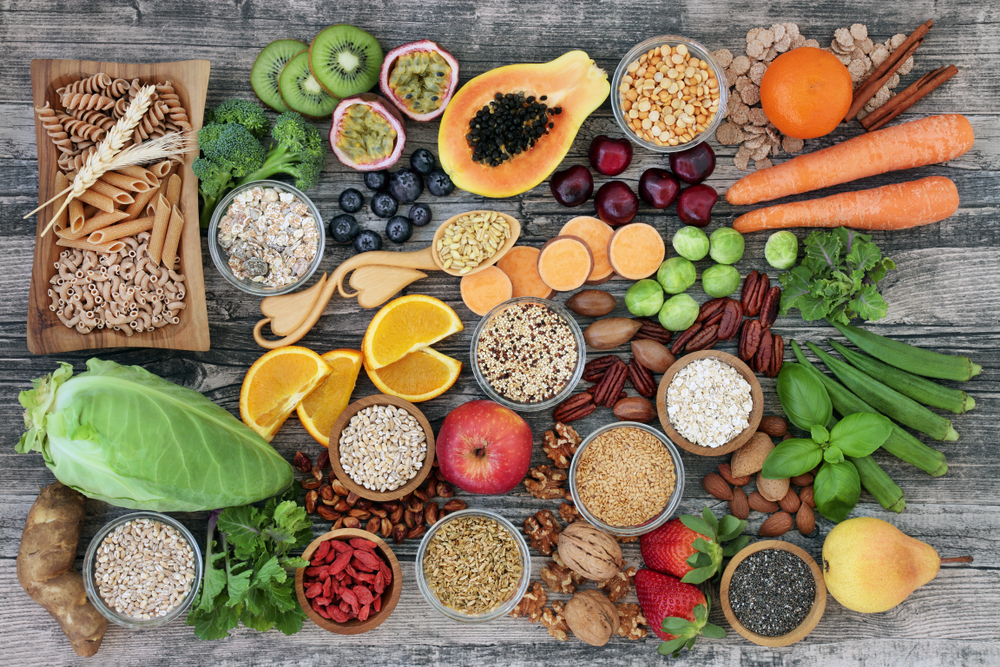
Further strategies include increasing dietary fiber from sources like whole grains, beans, and vegetables. Consuming plant sterols and stanols found in certain fortified foods can also aid in lowering LDL levels. Statin medications, prescribed by healthcare professionals, are another effective measure for individuals struggling to control their cholesterol through lifestyle changes alone.
Blood Cholesterol Testing and Recommendations
Monitoring your cholesterol levels is pivotal. A comprehensive cholesterol test, known as a lipid panel, measures your overall cholesterol, including HDL, LDL, and triglyceride levels. The American Heart Association recommends adults over the age of 20 have their cholesterol and other traditional risk factors checked every four to six years.
Optimal levels for cholesterol may vary depending on individual risk factors, but generally, an HDL level of 60 mg/dL or higher is protective against heart disease. Meanwhile, an LDL level below 100 mg/dL is deemed optimal for heart health, although targets can vary for people with underlying health conditions.