
The rise of TikTok has brought about a transformative shift in the fashion industry, influencing trends, democratizing fashion expression, and reshaping how brands connect with audiences. As a platform known for its short, engaging videos, TikTok has become a powerful space for fashion enthusiasts and creators to share style inspirations, launch viral trends, and redefine industry standards.
The Power of Viral Trends
Fashion on TikTok is driven by its unique capacity to generate viral content rapidly. A trend can gain traction overnight, spreading across the globe and influencing consumers’ purchasing decisions. For example, the “cottagecore” aesthetic, which emphasizes pastoral, romantic styles reminiscent of a simpler, rural life, gained immense popularity through TikTok. Users showcased outfits featuring floral prints, flowy dresses, and gentle, earthy tones, leading to a surge in demand for related items in retail outlets.
Moreover, TikTok’s algorithm favors content that resonates with users, allowing fashion trends to emerge organically. Unlike other platforms where advertising budgets might dictate visibility, on TikTok, creativity and authenticity often take precedence, allowing new and small fashion brands to reach large audiences with minimal expenditure.
The Expanding Democratization of Fashion
Traditionally, fashion has been shaped by designers, celebrities, and magazines, but TikTok upends this structure by allowing anyone with a smartphone to step into the role of fashion influencer; this shift broadens who gets to participate, elevating a wider range of viewpoints and aesthetics, while enabling people to explore content from creators of varied cultural backgrounds, body types, and ages, ultimately fostering a more inclusive appreciation of diverse fashion styles.
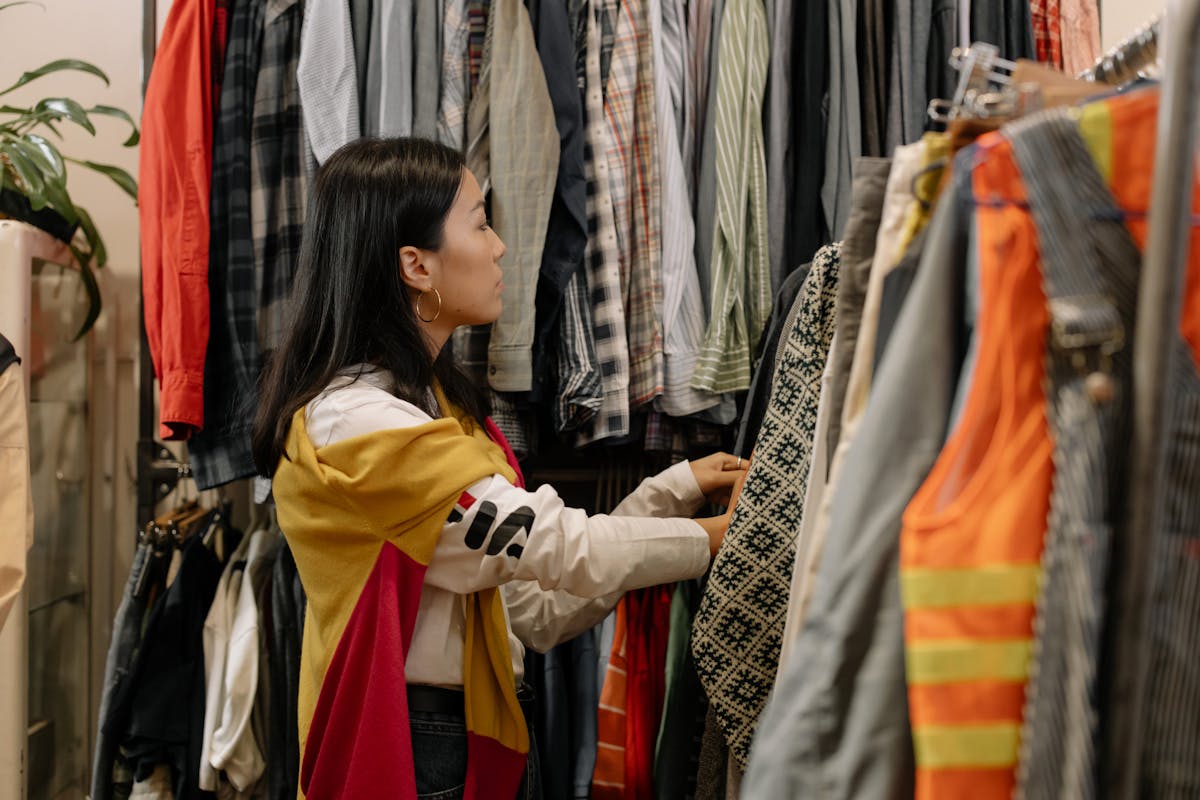
An example is the emergence of thrift flipping, a trend in which people purchase pre-owned garments and transform or repurpose them into fashionable items. TikTok’s platform has offered thrift flippers a space to motivate others to adopt sustainable fashion, helping lessen the environmental footprint of fast fashion while prompting viewers to imaginatively reinvent their wardrobe options.
Engagement Between the Brand and the Consumer
TikTok has revolutionized how brands interact with consumers. Through engaging and interactive content such as challenges, duets, and collaborations with TikTok influencers, brands can forge deeper connections with their target audiences. This interactive environment fosters a sense of community and belonging among users, enhancing brand loyalty and engagement.
For instance, several fashion brands have successfully leveraged TikTok’s platform to host fashion challenges that invite users to recreate looks using their products. Such initiatives not only increase brand visibility but also encourage user-generated content, expanding the brand’s reach without traditional advertising costs.
Content Crafted by Influencers and Users
Influencers on TikTok play a crucial role in shaping fashion trends. These creators, across various niche interests, can influence their followers’ style choices simply by posting a short video. The authenticity of TikTok influencers often resonates more with followers than traditional celebrity endorsements, as their content tends to be more relatable and down-to-earth.
User-generated content plays a crucial role in shaping TikTok’s fashion impact, as individuals who showcase their outfits or join fashion-driven trends continually reshape the platform’s dynamic style ecosystem. This open participation ensures that users do more than simply view content; they actively become creators who broaden and challenge traditional fashion conventions.
Through its rapid content sharing and its capacity to connect with users on a more personal level, TikTok has emerged as a driving force reshaping the fashion world. The platform enables individuals to influence style movements, opens doors for smaller brands, encourages sustainable habits such as thrift flipping, and cultivates a digital space where fashion becomes increasingly inclusive and creatively adventurous.