
The conflict in Ukraine, which escalated into a full-blown war in February 2022, has profoundly reshaped the worldwide equilibrium in both immediate and long-term aspects. This confrontation has brought about significant impacts on geopolitical partnerships, the global economy, security structures, humanitarian situations, energy sectors, and the developing framework of international legal principles. A thorough review of these repercussions reveals how a localized war can generate widespread effects across the entire globe.
Geopolitical Realignment and Power Shifts
Among the most significant repercussions is the intensification of pre-existing geopolitical strains and the formation of novel partnerships. The conflict has spurred a realignment of factions, echoing Cold War patterns, featuring NATO and its Western allies on one side, and Russia, receiving diverse levels of overt or covert backing from nations such as China and Iran, on the opposing side.
Sweden and Finland, historically non-aligned, moved towards NATO membership, reflecting a deepened sense of vulnerability in Europe. According to NATO sources, Finland officially joined the alliance in April 2023, extending the NATO–Russia border by over 1,300 kilometers. Meanwhile, Russia’s international standing has diminished, facing isolation from Western institutions, G7 summits, and critical scientific and cultural forums.
At the same time, the conflict underscored the strategic partnership between Russia and China. China’s stance, while outwardly neutral, has been characterized by abstentions in United Nations votes and increased economic engagement with Russia, raising concerns among Western policymakers about the reemergence of spheres of influence.
Shifts in Global Economic Stability and Trade Patterns
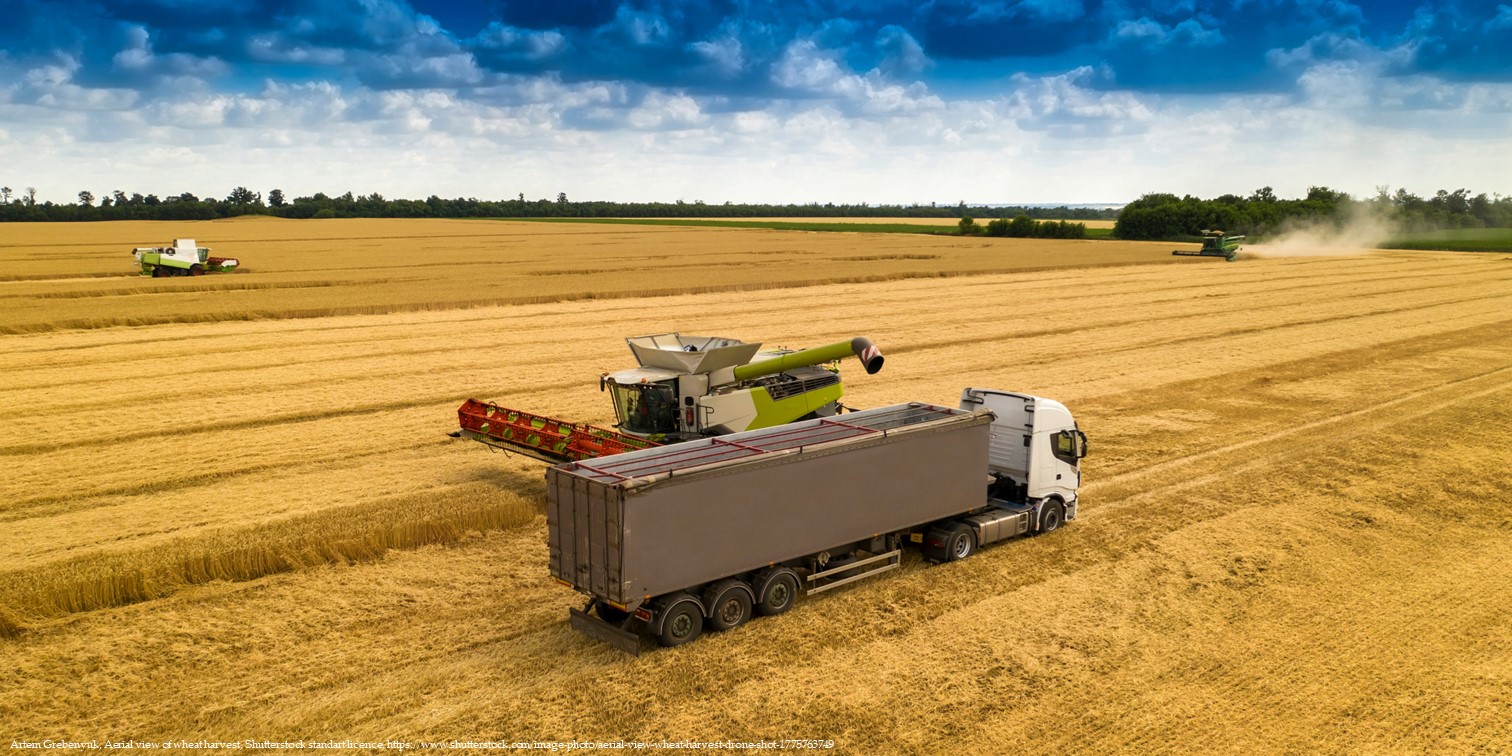
The conflict’s interruption of vital supply chains has highlighted the weaknesses intrinsic to interconnected global economies. A significant portion of worldwide wheat, corn, and sunflower oil exports originates from Eastern Europe and Russia. The World Food Programme reports that over 400 million individuals globally depend on food provisions from Ukraine and Russia. Obstructions in the Black Sea, damage to Ukrainian farming infrastructure, and Western punitive measures against Russia have triggered sharp increases in international food costs—pushing populations in Africa, the Middle East, and South Asia into greater food insecurity.
The energy sector has been equally impacted. In response to sanctions, Russia reduced or stopped gas deliveries to much of Europe. The sudden scarcity forced European nations to seek alternative suppliers, heavily investing in liquefied natural gas (LNG) facilities and renewable energy, and in some cases, temporarily reopening coal-fired plants. Germany, once reliant on Russia for over half of its gas imports, expedited plans for energy diversification and green transition, investing an estimated 200 billion euros. These adjustments have not only transformed the European energy market but have also altered the energy flows globally, raising LNG prices in Asia and Latin America.
Global financial markets have also experienced strain due to sanctions. The immobilization of Russian assets, their removal from international banking systems such as SWIFT, and restrictions on commerce have fueled market instability and the redirection of capital flows, alongside conversations regarding the trajectory of global reserve currencies. Russia’s growing adoption of the Chinese yuan for commercial transactions highlights a gradual yet consistent move towards de-dollarization in specific bilateral dealings.
Global Security and Defense Policy Implications
Global security policies have been reevaluated following the conflict in Ukraine. NATO’s enhanced cohesion has led to the most significant troop deployment in Eastern Europe since the alliance’s inception, and defense spending has seen a sharp rise. Germany, for example, declared an unprecedented increase, dedicating over 2% of its GDP to defense for the first time in many decades.
Countries outside of Europe have also taken note. In the Indo-Pacific region, strategic planners in Japan, South Korea, and Taiwan cite the Ukraine conflict as a cautionary lesson about the risks of autocratic aggression. Governments are experimenting with asymmetric defense systems, advanced missile technology, and hybrid warfare strategies to deter potential threats.
The somber significance of nuclear deterrence has resurfaced. Russia’s explicit nuclear threats compelled the United States and its partners to reassess potential dangers, sparking worldwide discussions regarding nuclear missile deployment, preparedness, and arms control agreements, including the struggling New START Treaty.
Humanitarian and Societal Consequences
The scale of human displacement has been staggering. The United Nations High Commissioner for Refugees (UNHCR) reported that more than eight million Ukrainians became refugees, creating the largest refugee crisis in Europe since World War II. Neighboring countries like Poland and Moldova bore the immediate burden, yet the ripple effects required coordinated global humanitarian intervention.
The conflict has also strained the international aid system already stretched thin by other crises. It intensified scrutiny of how resources are allocated and exposed the interconnectedness of humanitarian and security crises, with reports indicating that secondary migration and human trafficking networks have gained traction.
The Fragility and Evolution of International Law
Russia’s incursion into a sovereign nation, marked by extensive proof of war crimes and horrific acts, has undermined the foundation of the post-World War II legal framework. The dependability of global legal tools like the Geneva Conventions and the International Criminal Court has faced scrutiny. The West’s extensive sanctions, confiscation of assets, and endeavors to prosecute war crimes have brought forth intricate issues concerning the global applicability and execution of international law. Concurrently, certain nations have leveraged these events to contend that international standards are inconsistently enforced, intensifying disagreements within entities such as the UN Security Council.
Prospective Routes Amidst Persistent Ambiguity
The conflict in Ukraine, extending beyond a regional dispute, represents a pivotal event that is redefining the course of the global order in the twenty-first century. Its wide-ranging effects highlight the complex distribution of power, the instability of energy and food supplies, the re-emergence of military partnerships, and the strain on international legal and humanitarian standards. As this confrontation persists, its implications for worldwide stability continue to evolve, necessitating ongoing adjustments from nations, institutions, and communities across the globe. The critical question that arises is how the international community will manage approaches to coexistence, deterrence, and endurance in a world fundamentally altered by the truths exposed and reshaped by the war in Ukraine.