

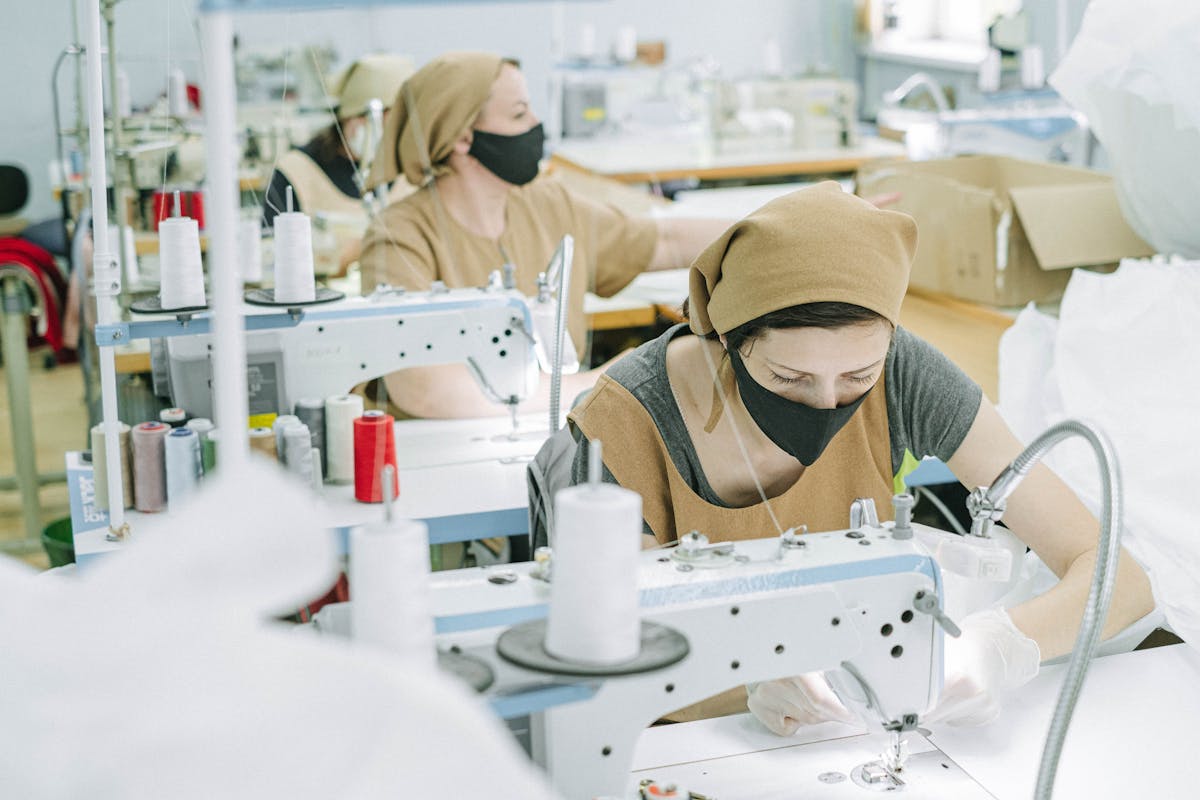
Inditex, one of the world’s leading fashion retailers and the parent company of brands such as Zara, Massimo Dutti, and Pull&Bear, wields significant influence over global fashion supply chains. The company’s extensive network spans over 100 countries, employing tens of thousands and partnering with thousands of suppliers. Its fast-fashion business model, driven by rapid product turnover and agile sourcing, has historically raised concerns related to labor exploitation, fair wages, and workplace safety. In recent years, however, Inditex has made concerted efforts to address these issues. This article explores in detail the specific initiatives, strategies, and measurable outcomes of Inditex’s push to improve labor conditions throughout its global operations.
Strengthening Supply Chain Oversight and Transparency
One essential element of Inditex’s strategy for advancing labor rights is enhancing transparency in their supply chain. Inditex keeps an accessible list of suppliers, refreshed every year, detailing over 1,800 suppliers and 6,800 factories globally. This openness enables outside parties to oversee working conditions and ensure the company’s accountability.
Additionally, the organization employs an advanced digital system named INET, which monitors the entire lifecycle of clothing items from raw material procurement to the completed item. This system aids in identifying and addressing labor infractions throughout the production stages.
Application of the Inditex Guidelines for Manufacturers and Suppliers
All suppliers and manufacturers working with Inditex must comply with the Inditex Code of Conduct. This document enshrines standards aligned with International Labour Organization conventions, covering topics such as:
No child or forced labor: Regular assessments are conducted to confirm that there are no underage or unwilling workers throughout their supply chain. Equitable wages and benefits: The code stipulates that employees should receive either the minimum legal pay or the industry standard, choosing the greater of the two. Restrictions on working hours: Suppliers are required to comply with legal limits on working hours, offer rest days, and prevent excessive overtime.
Extensive Inspection and Correction Programs
Inditex’s audit framework incorporates both internal and third-party monitoring. In 2022 alone, the company conducted approximately 12,000 social audits, focusing on prevention of labor abuses such as unsafe working conditions, wage theft, and harassment.
When breaches are identified, Inditex initiates its Corrective Action Plans (CAPs). These strategies oblige the supplier to address the problem within designated time frames. In serious instances or when persistent violations take place, Inditex has ended contracts with suppliers, as demonstrated by their public documentation.
Social Dialogue and Worker Empowerment
Beyond compliance monitoring, Inditex has partnered with global labor organizations such as IndustriALL Global Union. Through the Global Framework Agreement, established in 2007 and renewed periodically, Inditex recognizes union rights, including collective bargaining and freedom of association for workers at supplier factories. Over 1.4 million workers benefit from initiatives under this agreement.
Importantly, Inditex advocates for in-person training for workers, assists in facilitating union elections, and provides grievance processes that allow employees to voice issues without fearing retaliation. One instance is the Bangladesh Accord on Fire and Building Safety, with Inditex being a prominent signatory. This Accord has considerably improved safety standards within factories in one of the major garment manufacturing centers globally.
Living Wage Strategies and Wage Digitization
While legal minimum wages in many supplier countries are criticized for being insufficient, Inditex has engaged in collaborative wage assessments and pilot programs aimed at achieving living wages for workers. In Turkey and Vietnam, for example, the company has participated in wage digitization projects to ensure workers receive accurate and timely electronic payments, reducing wage theft and improving transparency.
In 2022, Inditex collaborated on initiatives with multiple stakeholders to establish living wage benchmarks utilizing independently validated data. While the impact differs by region, these efforts signify gradual advancement in bridging the living wage disparity in supplier factories.
Capacity Building and Training Programs
Inditex allocates resources to employee training, focusing on gender equality, health and safety, and awareness of rights. Their ‘Health and Safety Root Cause’ initiatives involve thousands of workers each year, leading to reduced accident and injury rates. In 2021, more than 500,000 workers attended skill-enhancement sessions in India, Bangladesh, and China.
The company’s Women Empowerment Program, launched in partnership with local NGOs, has led to improved promotion rates for female workers and a decrease in reported harassment cases. A 2023 assessment in Indian supplier factories showed a 24% reduction in reported workplace grievances post-training.
Tackling the Threats of Modern Slavery and Safeguarding Migrant Workers
Identifying risks associated with contemporary slavery and the exploitation of migrant laborers, Inditex has released modern slavery reports in accordance with UK and Australian laws. These reports outline their procedures for risk evaluation and steps for due diligence.
Inditex implements direct hiring practices, ensures employment without charging fees, and prohibits the retention of passports in factories where there is a considerable number of migrant workers. Within the framework of the Responsible Recruitment Toolkit, factory supervisors are given specialized training on fair recruitment practices, and inspections monitor adherence to rigorous anti-trafficking standards.
Effects and Obstacles
The 2020 COVID-19 pandemic placed unprecedented strain on global supply chains and exposed labor rights risks, particularly when orders were delayed or canceled. Inditex stood out for its commitment to paying for completed orders, thereby ensuring workers received due compensation during factory shutdowns, as verified by the Worker Rights Consortium.
However, hurdles remain. Even though auditing and corrective measure data indicate progress, the enforcement of pay and safety regulations locally can vary, in part because of intricate subcontracting connections. Inditex’s layered oversight strives to address these deficiencies, although they admit that ongoing alertness and adjustment are required.
Inditex’s ongoing efforts to improve labor conditions reflect the evolving expectations of consumers, investors, and regulatory bodies in the fashion sector. While successes such as enhanced traceability, union engagement, and targeted wage interventions demonstrate genuine progress, complex supply chain dynamics continue to test the limits of even the most rigorous systems. As innovations in transparency and worker engagement unfold, the sustainability of these initiatives will hinge on deeper supplier relations and resilient partnerships with labor organizations. Recognizing these broader dynamics is essential to evaluating what substantive improvements in garment industry labor standards truly look like.