
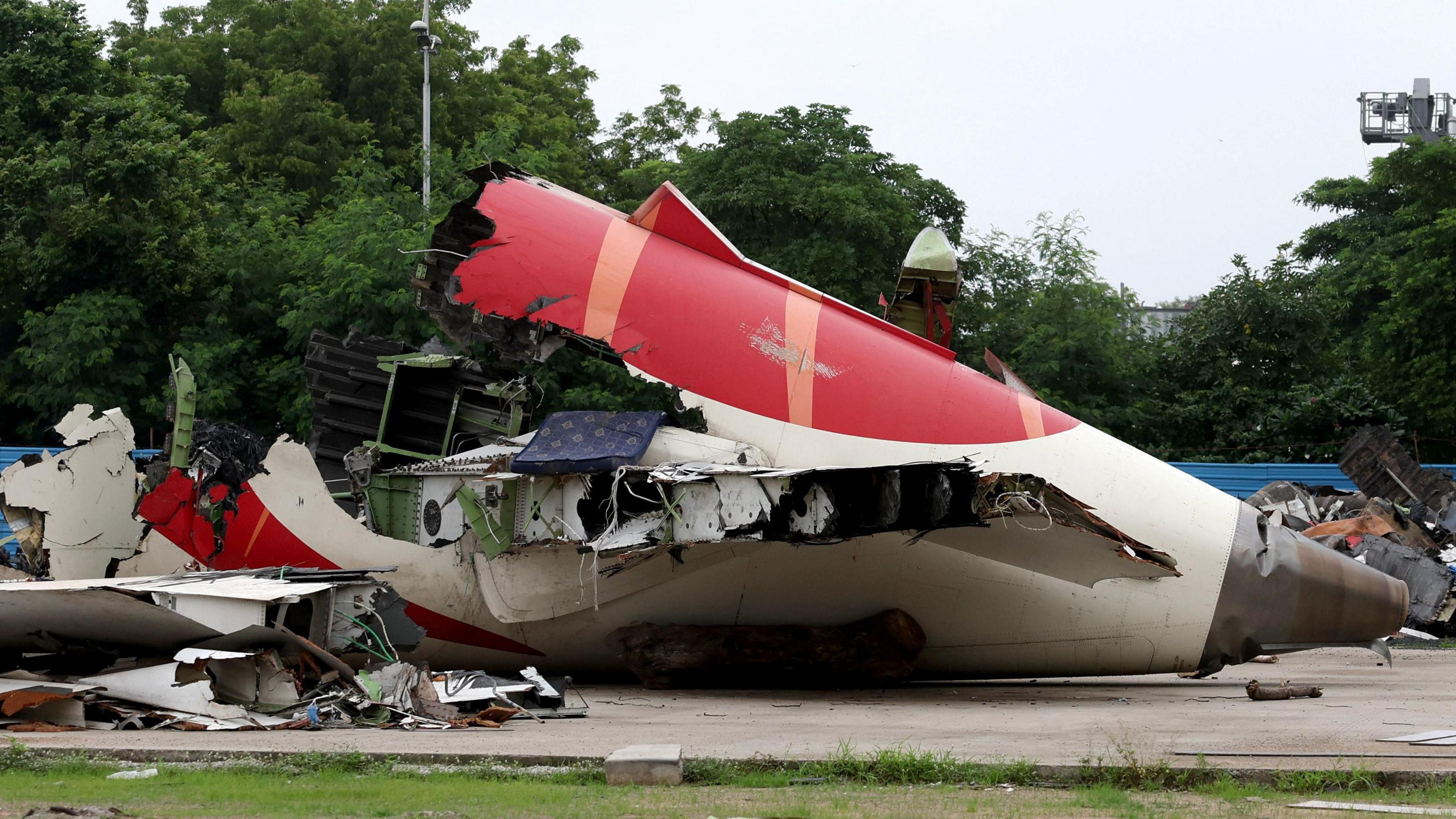
The recent accident involving Air India has captured significant attention, prompting various discussions as both specialists and the general public strive to understand the cause of this unfortunate occurrence. Multiple hypotheses are being debated, including possibilities such as equipment malfunction, mistakes by personnel, or environmental influences, but conclusive details continue to be scarce. Investigators are actively engaged in reconstructing the events, though several critical elements of the incident remain unclear.
Air travel incidents inevitably attract intense scrutiny due to their potential impact on safety protocols and public confidence. In this case, the crash has prompted a broad investigation involving aviation authorities, technical experts, and international agencies. However, despite the efforts underway, the full picture is yet to be established, and premature conclusions could risk misinformation.
First accounts suggested the plane encountered problems right before it crashed, yet the precise chain of events is still being examined. The flight data and voice recorders from the cockpit are under analysis to recreate the last moments, but this procedure demands time and detailed scrutiny. These tools are essential to comprehend the technical and human factors that might have played a part.
One challenge in the investigation stems from the complexity of modern aircraft systems. Planes are equipped with numerous redundancies and automated controls designed to enhance safety. When an accident occurs, pinpointing the root cause often involves assessing interactions among mechanical components, software systems, pilot responses, and external conditions such as weather or air traffic control instructions.
Some observers have speculated about possible mechanical malfunctions, including engine issues or structural failures. Others have suggested that pilot decisions or miscommunications might have played a role. There is also consideration of environmental elements like sudden weather changes, turbulence, or visibility problems. Until comprehensive analysis is completed, these remain hypotheses rather than confirmed facts.
The history of the airline’s operations and its maintenance logs are being examined as well. Investigators are working to ascertain if regular inspections were properly conducted and if there were any earlier warnings or irregularities observed. Grasping the condition of maintenance can provide insights into possible technical issues that might have contributed to the accident.
Human factors, including crew training, fatigue, and adherence to procedures, are integral to the inquiry. Aviation accidents frequently result from a combination of technical issues and human performance. Interviews with surviving crew members, air traffic controllers, and witnesses will contribute valuable insights into decision-making and communication dynamics leading up to the crash.
Efficiency in emergency response is a key focus area. Assessments of rescue efforts and medical support aid in discovering insights for enhancing results in subsequent situations. While life-saving after an accident involves numerous factors, the speed of response and teamwork are essential components.
Public and family reactions to the tragedy have underscored the emotional toll of aviation accidents. Calls for transparency and timely updates highlight the importance of clear communication from authorities. Balancing the need for accurate information with the sensitivity toward those affected requires careful management.
Media coverage has been extensive, with various outlets exploring different angles and theories. While this helps keep the public informed, it also raises the risk of speculation overshadowing facts. Experts caution against drawing conclusions before official reports are released, emphasizing that investigations are methodical and data-driven.
Regulatory agencies globally monitor such incidents closely, as findings can influence aviation safety standards and regulations. Lessons learned from investigations often lead to improvements in aircraft design, pilot training, and operational protocols to prevent recurrence.
In the context of this Air India crash, international cooperation among aviation bodies has been evident. Sharing expertise and resources enhances the thoroughness of the investigation and contributes to broader industry safety.
El proceso para comprender la causa del accidente es inevitablemente complejo y requiere mucho tiempo. La paciencia y la confianza en la información verificada son esenciales para los interesados y el público en general. Las narrativas especulativas pueden llenar vacíos temporalmente, pero solo las conclusiones basadas en evidencia pueden guiar acciones significativas.
Looking ahead, the final investigation report will be essential for providing closure to affected families and for the aviation community. Its recommendations will inform future practices and policies, reinforcing safety and trust in air travel.
Until then, maintaining a measured perspective and supporting ongoing inquiry remain paramount. The Air India crash serves as a solemn reminder of the challenges in aviation safety and the continuous efforts required to safeguard passengers and crews worldwide.