

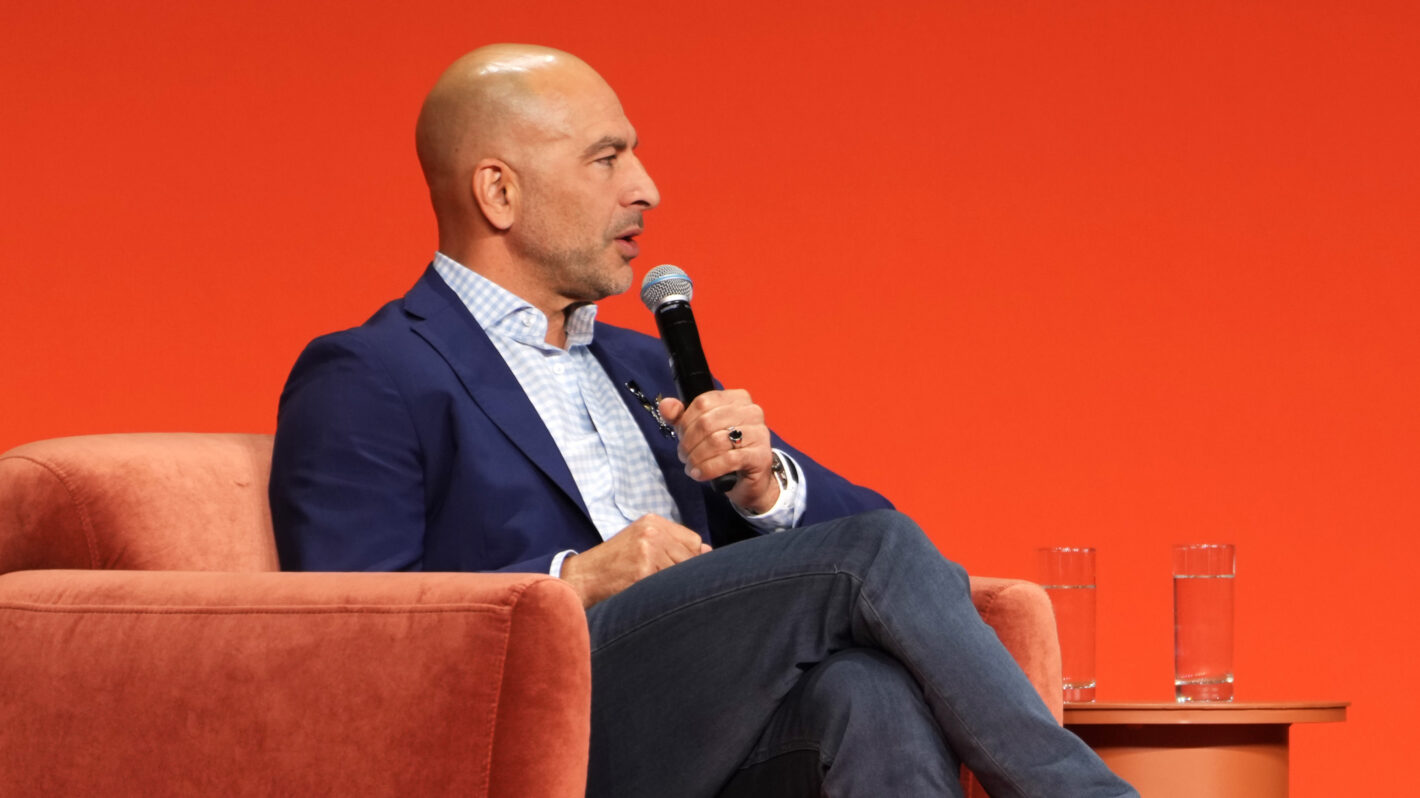
Celebrity doctor Peter Attia has resigned from his newly appointed contributor position at CBS News after documents linked him to Jeffrey Epstein surfaced. The decision comes amid scrutiny over personal messages exchanged with the convicted financier, raising questions about his professional affiliations.
Attia, a physician recognized for his focus on longevity and wellness, released a statement through a spokesperson indicating that he withdrew from the CBS position before it officially began. “He stepped back to ensure his participation would not divert attention from the significant work underway at CBS,” the statement noted. Attia also conveyed his best wishes to the network and its leadership and declined to provide additional remarks.
The recently released Epstein files revealed private messages between Attia and the financier, including suggestive and explicit content. In one message dating back to 2016, Attia wrote, “P*ssy is, indeed, low-carb. Still awaiting results on gluten content, though.” The disclosure prompted criticism from both the public and followers who had previously admired his work in health science.
CBS News contributor strategy under scrutiny
Attia was among 19 new contributors introduced in January as part of CBS News’ broader strategy under Bari Weiss, who became the network’s head in October. Weiss described the initiative as a first step toward transforming the network’s approach and reaching a wider, more engaged audience. During a January town hall, she emphasized that the network could not remain anchored solely to traditional broadcast viewers. “If we stick to that strategy, we’re toast,” she warned staffers, highlighting the urgency of modernization.
Although Attia offered apologies to his colleagues and patients, Weiss at first seemed inclined to keep him on. His earlier contributions to Weiss’ podcast, “Honestly,” had been noted for their clear explanations and thoughtful guidance through intricate health issues. CBS News has not released any further statement in response to the public backlash.
Public and professional response
The release of the Epstein files sparked strong responses, prompting many followers and industry analysts to question Attia’s judgment and professional ties. In early February, he directly addressed these issues on X, stating that he had never taken part in any criminal conduct and had never traveled to Epstein’s private island, boarded his planes, or joined any unlawful events. “To be clear, I never observed illegal actions, nor did I ever encounter anyone who seemed underage in his presence,” Attia stated.
Despite those assurances, the disclosures triggered additional fallout within his professional realm, leading Attia to step down as Chief Science Officer at David protein bars, as noted in a statement issued by the company’s CEO on X, while the firm offered no further clarification on whether his departure was self-initiated or driven by public pressure.
Managing public confidence and upholding professional ethics
Attia’s resignation underscores the complexities that arise when personal associations intersect with public roles. In an era where transparency and ethical perception are paramount, public figures—particularly those in science and health—face heightened scrutiny. Attia’s situation reflects broader challenges in managing professional credibility amid revelations of past personal conduct, even when no legal wrongdoing is involved.
The episode also underscores how media organizations must carefully navigate the integration of prominent contributors, as CBS News’ new contributor initiative—designed to drive innovation and broaden its audience—was abruptly challenged by issues involving vetting and potential reputational fallout, while Weiss’ bold diversification approach has now undergone intense internal and public examination.
Future implications for CBS and Attia
The fallout from the Epstein-related documents may influence how CBS News and other media organizations approach the onboarding of contributors in the future. Background checks, reputational assessment, and risk evaluation are likely to become even more rigorous, particularly for public-facing roles. For Attia, maintaining credibility in the health and wellness sector will require careful navigation, reaffirming expertise, and distancing from any associations perceived as compromising integrity.
Although Attia has not been linked to any unlawful conduct, public perception significantly shapes scientific outreach and media relations. This situation stands as a reminder of how vital clarity, context, and awareness are, as personal exchanges can carry serious repercussions once they enter the public sphere.
CBS News continues to oversee its contributor roster as part of a wider initiative to modernize and reach audiences beyond conventional broadcast viewers, and the way the network addresses similar challenges moving forward may influence its credibility, strengthen or weaken audience trust, and determine how effective its broadened contributor approach becomes.
For Peter Attia, the path forward involves reaffirming professional authority and demonstrating commitment to ethical standards. The resignation from CBS News and his role at David protein bars reflects an effort to minimize distraction and maintain focus on his work in longevity medicine, even amid the public controversy.
Ultimately, the situation illustrates the intersecting pressures of personal conduct, media responsibility, and professional accountability in the digital age. While no legal allegations have arisen, the reputational stakes remain high, influencing decisions for both the individual and the organizations with which they are affiliated.
The controversy surrounding Attia may also prompt broader discussions about how influential figures engage with public figures and controversial personalities, emphasizing the ongoing need for diligence, integrity, and ethical awareness in all professional spheres.
CBS News, Peter Attia, and the broader public are likely to keep grappling with these matters as the situation unfolds, underscoring how media strategy, individual behavior, and public confidence intersect across high-profile sectors.