

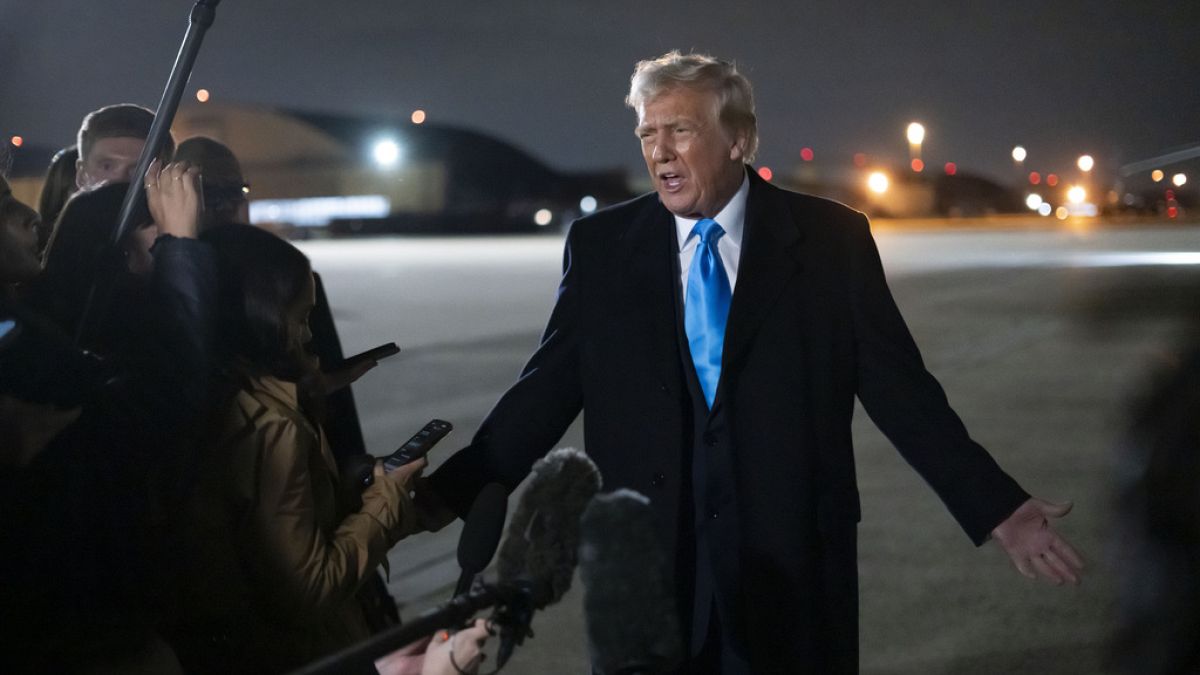
As part of a measure that has ignited discussion regarding governmental backing for cultural programs, ex-President Donald Trump has disbanded the President’s Committee on the Arts and Humanities (PCAH). This action, carried out discreetly on the day of the inauguration, embodies Trump’s wider attempt to overturn initiatives from the Biden administration and indicates an ongoing change in the federal prioritization of arts and humanities.
The PCAH, created in 1982 during President Ronald Reagan’s term, functioned as an advisory body linking notable individuals from the arts, humanities, and academia with decision-makers. Its goal was to advocate for cultural projects and encourage partnerships among public, private, and philanthropic sectors to bolster arts and museum services throughout the nation. Throughout the years, the committee featured distinguished members such as Frank Sinatra, Yo-Yo Ma, and in more recent times, contemporary cultural figures like Lady Gaga and George Clooney.
The committee experienced its latest resurgence with President Joe Biden in 2022, after being initially dissolved by Trump in his first term. Biden reinstated the PCAH as part of a larger initiative to renew national support for the arts, appointing 31 individuals, among them renowned entertainers, scholars, and museum directors. By 2024, the committee functioned on a modest budget of $335,000 and had convened six times to deliberate on cultural policy and projects.
The committee’s most recent revival came under President Joe Biden in 2022, following its initial disbandment by Trump during his first term. Biden reestablished the PCAH as part of a broader effort to restore support for the arts at a national level, appointing 31 members, including high-profile entertainers, academics, and museum curators. By 2024, the committee operated on a modest budget of $335,000 and had met six times to discuss cultural policy and initiatives.
Trump’s choice to disband the PCAH in his second term was included in his initial executive order upon reassuming office. This directive not only focused on the arts committee but also rescinded numerous policies from Biden’s era, including those associated with diversity initiatives. Although the termination of the PCAH hasn’t garnered as much attention as other policy rollbacks, it has faced criticism from supporters of the arts and humanities, who perceive the action as an overlook of the sector’s significance.
Steve Israel, a former Democratic congressman and one of Biden’s appointees to the committee, voiced his dissatisfaction, commenting, “He not only dismissed all of us but also dissolved the committee itself. It implies an active antagonism towards the arts and humanities.” Israel’s statement highlights the annoyance experienced by many in the cultural sector, who perceive the dismantling of the PCAH as indicative of a wider neglect for the arts.
The Trump administration has justified its decision, referencing issues related to fiscal responsibility. During his initial term, Trump dissolved the PCAH in 2017 following the resignation of nearly all its members in protest against his response to the deadly white nationalist rally in Charlottesville, Virginia. Trump contended at the time that the committee represented a superfluous cost and was not a prudent allocation of taxpayer funds.
An overview from history
The PCAH was originally established to provide a formal outlet for the arts and humanities in federal policy discussions. Throughout the years, it aided in forming collaborations, offered guidance to the White House, and sought to advance cultural projects across the country. The committee was instrumental in influencing national cultural policies and advocating for investment in artistic and educational pursuits. Its current disbandment prompts concerns about the future of federal backing for the arts.
Although the PCAH has been dissolved, other important cultural bodies, like the National Endowment for the Arts (NEA) and the National Endowment for the Humanities (NEH), continue to exist. Nonetheless, Trump has previously aimed at these entities, advocating for their defunding during his initial term. Despite these suggestions, both agencies have continued their operations, albeit with diminished federal backing.
Biden’s PCAH and its function
When Joe Biden revived the PCAH in 2022, his goal was to reestablish it as a link between the federal government and the cultural field. Biden’s chosen members encompassed a blend of celebrities, academics, and heads from organizations like the Smithsonian and NEA. Figures such as Lady Gaga, George Clooney, and Jon Batiste added star appeal to the committee, while others concentrated on tackling structural challenges confronting the arts.
When Joe Biden reinstated the PCAH in 2022, he aimed to restore its role as a bridge between the federal government and the cultural sector. Biden’s appointments included a mix of celebrities, scholars, and leaders from institutions like the Smithsonian and NEA. Members like Lady Gaga, George Clooney, and Jon Batiste brought star power to the committee, while others focused on addressing systemic challenges facing the arts.
The committee’s work under Biden was limited but impactful, with discussions centered around expanding access to arts education, supporting museum services, and addressing inequities in cultural funding. However, the committee’s relatively limited budget and few meetings highlighted both its potential and its constraints. Its sudden elimination under Trump has left many wondering how these gaps will now be addressed.
Trump’s cultural policies and future plans
Critics contend that this selective backing highlights an absence of a well-rounded cultural policy. By disbanding the PCAH and cutting resources for wider arts initiatives, the administration risks distancing a substantial part of the cultural community. Supporters of the arts are concerned that these actions convey a notion that government involvement in the arts is dispensable, rather than vital.
Wider Impact on Arts and Humanities
The disbandment of the PCAH contributes to a larger discussion regarding the government’s role in cultural support. Advocates for federal arts funding assert that programs such as the PCAH, NEA, and NEH are crucial for safeguarding national cultural heritage, enhancing education, and encouraging creativity. They highlight the economic advantages of investing in culture, emphasizing that the arts generate billions for the U.S. economy and sustain millions of jobs.
Opponents, on the other hand, regard these programs as superfluous expenses. Trump’s ongoing efforts to reduce funding for the NEA and NEH echo this perspective, as does his choice to disband the PCAH. For many, the debate extends beyond financial considerations and delves into more profound issues regarding national identity, values, and priorities.
The disbanding of the PCAH also prompts worries about the future of public-private partnerships in the arts. Traditionally, the committee acted as a bridge for collaboration between the federal government and private benefactors, utilizing philanthropic support to enhance its influence. Without the PCAH, maintaining these partnerships may become more challenging, possibly restricting growth prospects within the cultural sector.
The path forward
As the arts and humanities community contends with the absence of the PCAH, focus is expected to shift towards alternative support channels. Entities like the NEA and NEH will become increasingly crucial in addressing the gap left by the committee’s disbandment. Furthermore, state and local governments, along with private foundations, might need to intensify their initiatives to make certain that cultural projects can continue to prosper.
For Trump, the choice to disband the PCAH is consistent with his wider efforts to simplify government and cut costs. Nonetheless, this action may alienate artists, educators, and cultural leaders who view the arts as an essential component of the nation’s identity. As discussions on federal arts support persist, the legacy of the PCAH—and its absence—will continue to be a contentious issue.
For Trump, the decision to eliminate the PCAH aligns with his broader push to streamline government and reduce spending. However, the move also risks alienating artists, educators, and cultural leaders who see the arts as a vital part of the nation’s fabric. As the debate over federal support for the arts continues, the legacy of the PCAH—and its absence—will remain a point of contention.
Whether Trump’s plans for a sculpture park and other cultural projects will be enough to offset the loss of the PCAH remains to be seen. For now, the dissolution of the committee marks a turning point in the relationship between the federal government and the arts, leaving many to wonder what the future holds for cultural policy in the United States.