
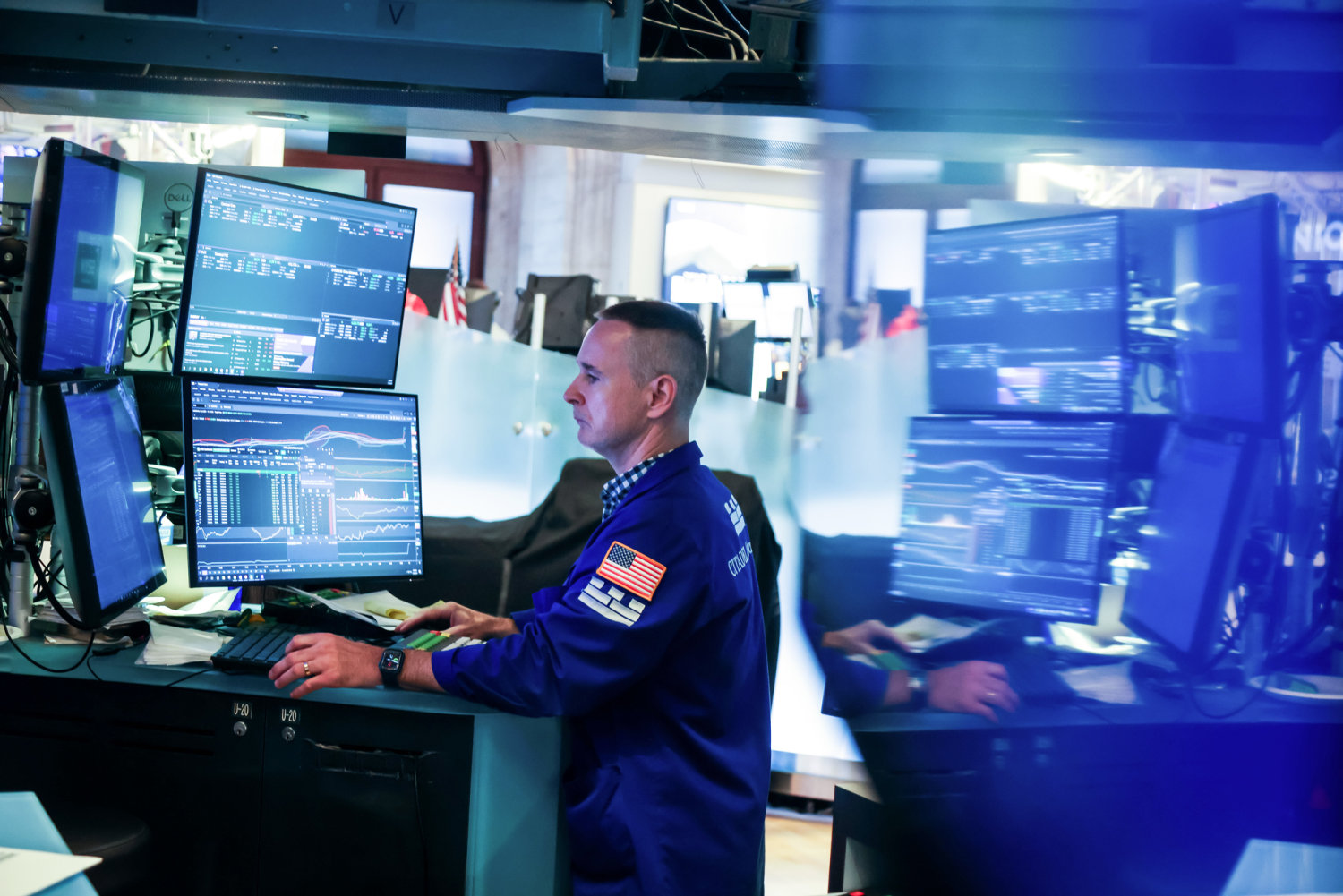
El mercado de valores de EE.UU. alcanzó un hito importante cuando el índice S&P 500 cerró en un máximo histórico, impulsado principalmente por una renovada confianza en las negociaciones comerciales internacionales. El sentimiento de los inversionistas parecía dirigirse en una dirección positiva, fortaleciendo los índices principales en general y señalando una perspectiva económica potencialmente más sólida a medida que comienzan a disminuir los obstáculos al comercio.
This surge came as markets responded favorably to signs of progress in several key global trade discussions. Although the specifics of many of these negotiations remain under wraps, the broader sense of stability and movement toward compromise has lifted investor confidence and injected fresh energy into the markets.
The rally, led in part by gains in the technology and financial sectors, reflects broader expectations that improved trade relationships could translate into stronger corporate earnings, higher productivity, and expanded global market access for U.S. companies. The optimism surrounding these potential outcomes appears to have outweighed persistent concerns about inflation and monetary tightening.
Trade policy has remained a dominant theme in global financial markets over the past several years, with shifting alliances, tariffs, and negotiations creating both volatility and opportunity. Recent developments indicate that long-standing tensions may be softening, at least temporarily, which could restore a sense of predictability for multinational corporations and investors.
Many market participants view these trade breakthroughs as a critical step toward restoring supply chain consistency, stabilizing prices, and creating an environment conducive to growth. As companies navigate the challenges of a post-pandemic global economy, reduced friction in trade policy could offer a much-needed tailwind.
On the day the S&P 500 reached a fresh record high, multiple sectors exceeded predictions. Technology stocks, especially those related to semiconductors and cloud services, experienced significant increases, indicating confidence in sustained demand and the possible relaxation of limits on international sales. Financial entities also surged, fueled by hopes of heightened global commerce and increased capital mobility.
The consumer discretionary and industrial sectors contributed to the rally as well, suggesting investor confidence in both business investment and consumer spending. These indicators are often viewed as early signs of economic resilience and upward momentum.
Conversely, defensive sectors such as utilities and consumer staples saw more muted performance, indicating a shift in investor preference toward growth-oriented equities.
El cierre récord del S&P 500 no se está dando de forma aislada. Los mercados globales han estado observando de cerca los avances comerciales, y varios índices internacionales también han registrado aumentos debido al optimismo. Europa y Asia informaron resultados sólidos en respuesta a sentimientos comerciales similares, lo que refuerza la naturaleza interconectada de los mercados financieros modernos.
A globally coordinated improvement in trade could enhance investor trust across regions and lead to broader global economic growth, particularly in emerging markets that are heavily reliant on exports.
While the trade-driven rally has captured attention, the Federal Reserve’s stance on interest rates and inflation remains a key consideration. Investors are still monitoring inflation data and central bank commentary closely to anticipate future monetary policy decisions.
Any surprise moves by the Fed or unexpected shifts in inflation figures could still impact market momentum. However, for now, the dominant narrative appears to be one of cautious optimism, as trade developments offer a counterweight to monetary tightening concerns.
Another factor supporting the S&P 500’s upward trajectory is stronger-than-expected corporate earnings in certain sectors. Companies that have successfully navigated supply chain constraints and adapted to shifting consumer behavior continue to post resilient profits. This, in turn, supports higher valuations and investor willingness to engage in equity markets.
Analysts consider that if trade trends keep progressing favorably, more businesses might gain from easier import-export operations, lowered tariffs, and greater reach to global clients. This would additionally bolster profit expansion in future quarters.
Although the prospects are optimistic, potential threats persist. International trade deals can be intricate, and discussions might stall. Collapse in negotiations or the introduction of fresh tariffs could rapidly undo the progress achieved lately. Furthermore, political uncertainties, changes in energy markets, and rising inflation continue to present obstacles to ongoing economic expansion.
Investors are also wary of market corrections following strong rallies, especially in an environment where economic data remains mixed. While optimism is high, market participants are aware that sentiment can shift quickly if external conditions change.
For now, the mood in equity markets appears buoyant. The S&P 500’s record close is a reflection of investor belief that the worst of the trade disruptions may be in the rearview mirror, and that improved economic cooperation could open the door to renewed growth.
If the current trajectory continues, it could mark a turning point for both markets and the global economy. A reduction in trade friction, combined with supportive corporate earnings and easing inflationary pressures, may create an environment ripe for expansion.
Nonetheless, continuous advancement will rely on the capability of international leaders to keep up the pace in discussions and implement policy modifications that promote enduring stability in trade.
The S&P 500’s highest closing point indicates a resurgence of confidence in worldwide commerce and economic expansion. Despite ongoing hurdles, the optimistic market response implies that investors feel reassured by the likelihood of diminished trade frictions and improved global collaboration. Ongoing advancements in this sector may assist in maintaining steady market increases and paving the way for a more vigorous global revival.
As always, investors will be closely watching for updates, both on the trade front and in economic data releases, to gauge the durability of this rally. For now, the historic high stands as a marker of hope that global collaboration may once again become a driver of market resilience and prosperity.